Jon Mahoney: Around the world in 900+ days and mastering Russian
Kris Broholm interviews Jon Mahoney about his multi-year trip around the world. They discuss Mahoney's experiences mastering Russian and his surprise at how affordable global travel can be. The episode covers both extensive travel and high-level language acquisition.
July 28, 2019 · 1 hr 21 min
Guest
Jon Mahoney
What You'll Hear
- 1 Welcome, Episode Overview, & Listener Updates
- 2 John's Early Language & Travel Adventures
- 3 Italki Ad & The Epic World Trip Begins
- 4 Mastering Russian & A Fateful Moscow Meeting
- 5 Planning, Budgeting, & Hitchhiking Around the World
- 6 Surprising Discoveries & The Kindness of Strangers
- 7 Reflections, Future Adventures & Podcast Wrap-up
Links Mentioned
Questions Covered in the Show
How did John Mahony get into language learning?- 7m
How did John Mahony learn Russian to a high level?- 21m
How long was John Mahony's round-the-world trip?- 31m
How did John Mahony travel the world on a tight budget?- 34m
When did John Mahony's YouTube channel "John and Ieva" gain popularity?- 42m
What were some of John Mahony's most surprising cultural experiences during his travels?- 57m
Related Episodes
See all →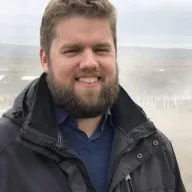
Welcome to the Actual Fluency Podcast. Each week you'll find inspirational, motivational interviews with some of the world's best language learners, industry experts, all trying to help you to learn foreign languages better, faster, and more efficiently. And here we go. If you're looking for a language teacher to enhance your language learning, then I highly recommend italki. Italki is the world's biggest tutoring platform and you can find thousands of teachers and tutors at very reasonable prices. Get a free lesson after completing your first lesson by going to language teacher.co.
Hey, just a quick note, if you're listening to this after September 2019, you can skip to minute 7 for the start of the today's interview. Hey, guys. How is it going? This is episode 161. Today we're going to be talking a lot about traveling, a lot about learning a language to a really high level. My guest today, Jonathan Mahony, really has gotten to a very high point in Russian, and she shares his experiences in today's episode. But we also talk about his epic multi-year-long trip around the world, and how he was surprised at how affordable traveling around the world could be. And, uh, that's really the big kind of overarching theme for this episode is is traveling and mastering a language.
But, before we get into that, I just wanted to take a moment to just have a chat with you. A few kind of orders of business if you will. First of all, I just, um, had a new plugin installed on the website, which allowed me to see all the podcast reviews from all over the world. In case you don't know, if you go on iTunes, it will only show you the reviews from the country that you're in. So, if you're living in the UK, you will only see the UK reviews unless you go in and change your language in the store or your location.
And, um, so, I read a bunch of new reviews I had never seen before. And I just want to thank you guys for leaving so many great positive reviews. I mean, I think there was 46 reviews, uh, from some of them even a few years back, so I'm sorry for having missed them back then. And there was only one that wasn't five stars, so I really appreciate you guys reviewing it. And, and obviously, uh, must be doing something right, and that really makes me happy as well because you know, sometimes when you do these things, the the there isn't an immediate feedback.
You know, I I get a lot of messages and emails, or I should say occasional messages and emails from people saying, oh, I really like that or that was really nice, please keep doing it and all that. But, there's also a lot of time where you're just kind of grinding it out. You know, you're just doing all these episodes and you're just you you don't really know why you're doing it, but at the end of the day, if you have fun doing it and people like it, then why not keep going? Uh, so that was the first one. Thank you so much for listening, and thank you so much for leaving the reviews.
The second is, I'm really excited about LangFest Montreal, or, uh, well, it's just called LangFest, but it's always in Montreal so far. It, by the time of this recording, it's, uh, a few weeks away, about three weeks away. So, if you are attending, please come and say hi. I I'd love to meet listeners of the podcast in real life, and I don't make it to North America that often, so it'd be cool to meet some of you guys. Otherwise, I'm just looking forward to hanging out, having a good time, and, uh, seeing the beautiful city of Montreal again, which I was back in 2016. Um, back when it was called the North American Polyglot Symposium. I'm glad they changed it to LangFest.
The other thing is, the, if you're listening to this in the end of July or early August, the there's still some time to register for the first Polyglot Cruise, which is an event that I'm putting on with a few friends next spring. And it's basically, we have a little section of a big cruise ship, and we're going to do a conference on board with talks from a few select amazing speakers, some of my friends. And I might also be speaking a bit if there's any topics that I can really provide some good insights to.
Um, but the beauty is, we're going to do it in the Mediterranean Sea, we're going to see I think it's six different cities, and it's there's like four languages being spoken there, and obviously there's lots of people on the ship that speak various languages. And there's lots of time to do all the stuff you want to do on a ship. And obviously great food and drink, and it's suitable for for people of all ages with families, uh, as long as you're over 21, you know, you can go on your own. And, uh, so, it's a bit like the Polyglot Gathering combined with a luxury cruise holiday.
And it's only, we only doing the conference for a few hours a day. It's, it's really about socializing, getting to know people. And at this point we have about 30 to 40 people, uh, registered. Not sure what the current number is. But, that just means there's going to be a lot of time to get to know each other, and if you're interested in in in in turning your language hobby into a career, this really is probably the best place to do it, because there's, uh, three of the speakers, Lindsay Williams, Kerstin Cable, Ollie Richards, and myself to to some degree, have all kind of pivoted into languages as a profession in very different ways, you know, creating online courses, uh, teaching, uh, there's, uh, I I do affiliate marketing, so I will recommend products, I'll do reviews and all that kind of stuff.
Um, there this podcast is sponsored by Italki. So, there's lots of ways you can kind of drill down and and get to know all these things. Uh, and if you want to start an online business or or even just a language business or teaching, you know, you're going to have a whole week on a ship with some experts who've done it, and you can chat over drinks or coffee or breakfast or whatever, uh, about any problem you might have. So, this is really, uh, I think a quite a unique opportunity, and, uh, obviously because it's so, uh, far away, it's in April.
Um, the and it's the first time that it's ever happened. Obviously, we haven't we haven't quite reached the 100 participants, that's the maximum, and I don't think we will anyway, not that it matters. But, I think once we've done it once, and we've seen how it is, and we've got pictures and videos and trip reports and everything, uh, I think number two, which will be next year, uh, should be, or the year after, should be, uh, should be filling up quite a lot faster. It's the same with any kind of event. So, um, yeah, go check out polyglotcruise.com if you're interested. Um, I'd love to see you there, that's going to be super fun. April 2020. 2020, 2020. It's probably a better way of saying it.
And, um, I think that was about it. I just wanted again, thank you so much for listening and, uh, sorry for, uh, kind of, uh, waffling on a bit here for the first few minutes, but sometimes, you know, I don't have any really introductions in in the podcast and there's just a few things to to take up. So, um, enjoy the episode with John. It's, it's, it's a bit different this time. We don't talk that much about language. I do ask him a few questions about his his Russian mastery, which is something that I'm very envious of. I've been learning Russian for quite a few years. But, I'm really mostly fascinated by his, uh, his travels, like the the world travels, which I think a lot of us out there have a secret kind of dream about doing or at least something similar, you know, you don't want to maybe travel for five years in a row or or even a couple of years. But, maybe this will give you some inspiration and ideas for for you to go on your trip. So, uh, enjoy the episode with John and, uh, I'll see you in the next one.
My name is John, uh, Jonathan. Uh, I am from Canada. I grew up in Nova Scotia, Canada on the East Coast. Um, and how I got into the language world, I think it kind of all started, um, when I was, when I just started high school. So, I guess I was 15, um, and in my school at the time, um, there were, there was like 30, uh, exchange students.
And the part of Canada where I'm from, there's a lot of immigrants in Canada from all over the world, uh, with lots of languages, but the small town in Nova Scotia where, where I I grew up and went to school, uh, was very white, very English speaking. Um, so, you you didn't hear that many other languages and you didn't meet people from other countries that often, especially back then. Now there's more.
But, um, I was really fascinated by the the these international students. So, I spent most of my, uh, my time when I was actually, uh, at high school, I I spent most of my time with, uh, with these foreign students from there was a lot from Mexico, from Brazil, from Germany. Uh, there was one from Russia, and yeah, several different countries. Uh, Thailand. And that, I think that sort of started my interest, uh, in different cultures and different languages. Um, yeah, I would say, I would say that's definitely where I could trace it back to.
Did you have French in school? Uh,
Yeah, so it wasn't, it definitely wasn't my first, um, experience with a foreign language, but French is, uh, is sort of a, I have a strange experience with French. Yeah, I think from, from fourth grade, we started French, if I'm not mistaken. Um, and when I was in fifth grade, my parents sent me to a French school where everything was French, and it was very difficult. Um, it was forbidden to speak English at the school.
And so, I was just thrown in, kind of, uh, like, I don't know, almost like I got just, you know, moved to France, and I didn't have any choice. Um, so, I was given all this homework and all the subjects, right, and math and history and stuff, and, um, I would come home and I didn't even understand like what they said. I don't know what's written there. And after about half a year, I switched back to English. I just, you know, lots of lots of evenings crying and just not, just didn't understand.
Um, and then I I guess I I disliked the English school so much that, uh, a year and a half later, I went back again to the French school. So, I went from, uh, from grade seven to nine, um, which I guess is, is something like, uh, from 12 to 14 years old. I, uh, I was at the, uh, at a French school. And, uh, it was difficult, and I it's kind of strange, I was thinking about it today, it's sort of like, it's sort of like if I started a movie or a book in the middle and I didn't finish it.
Um, because when I went to, uh, to the French school in in seventh grade, I remember, um, in French class, it it wasn't, it's not for like, um, French as a second language, it's like French as a native language. So, they I remember we had like a 50-page booklet on passé composé, if anybody's studied French, you, you know that this is a verb tense that's a little bit difficult. And, um, so I but I never did like the basics. Nobody ever taught me like present or something like that.
So, I understand French very well. Um, and I can speak it, I can communicate. Um, but it's, it's, I have a weird relationship with French because before I was, I think, 18, I never met a single person who spoke French but didn't speak English. So, it was, it was sort of just like a game. I didn't understand. Why why would we speak French when we could just speak English? So, so, to this day, I I have never spent a significant amount of time in a place where I really, like, I didn't have a choice where people spoke French but didn't speak English. So, someday I would like to to do that.
Oh, wow.
Sort of fill fill in the blanks, you know.
Right. And, and I mean, you must have a a massive passive, uh, level that will, you know, you could basically just start from there and live completely as a native.
I think so. I I, yeah. So, my mom's actually, my mom's native language was French. So, my grandparents spoke French to her. Or native language, maybe is the wrong word, but her first language was French. Um, she didn't speak English until she went to school. Right. And, uh, but she never spoke French with us at home. So, um, yeah, it's, it's kind of a a strange situation.
Right. Did you have any other foreign languages?
So, um, part of my spending time with, uh, foreign students was I dated a Brazilian girl when I was, uh, in high school for about two years. Uh, well, starting in high school and then after graduation, and I spent, uh, uh, three months, uh, in Brazil, in Salvador, and, um, yeah, that was, that was, um, my next foreign language was Brazilian Portuguese.
Um, she never spoke Portuguese to me. Um, she helped me once in a while if I asked some questions, and I never really, like, had a grammar book. But when I went to Brazil, uh, I just kind of fell in love with the culture. Her mother didn't speak, uh, English. So, I was only there for three months, but I remember when I flew to Brazil in the plane, I I wanted to speak Portuguese to the flight attendants. Um, so, because I think that they were asking in Portuguese, you know, what do you want to drink? And the only thing that I knew how to say was water. So, I drank water on the way to Brazil.
And, uh, on the way back, I was, I mean, on on before I, uh, I left back to Canada, I, uh, I was, um, talking to people on the street and stuff. Like, I was able to communicate, and, um, yeah, I was, I'm kind of still to this day, I'm kind of amazed by how I just absorbed Portuguese, somehow. Uh, I've still never really studied the grammar, but I love it. It's probably my favorite language, Brazilian Portuguese.
What age were you again at this point?
I was 18, I think. Yeah.
That's interesting.
Yeah, so the, um, that was like my second real foreign experience. I I went to Russia, actually, before that. Um, I just saw this, um, I saw this, uh, advertisement that, uh, you could teach English in Russia, uh, as a volunteer. And, uh, so, I just graduated high school and I thought, oh, I could do that. So, I applied and they said, yeah. And so, I I lived in a small city called Voronezh in, um, in Russia for four months when, uh, when I just turned 18. And then I came back to Canada for 10 days and then went to Brazil for three months. So, it was, it was an interesting start to my life after school.
Wow. So, do you, do you think, do you kind of tie all those, uh, call them adventures, uh, you know, that I, I don't know many people would just jet off to Brazil for three months and and to Russia for a few months. Do you tie all that back to those initial experiences with the exchange students in your school?
Um,
Or was there something else inside or some, uh, uh, maybe a family inspiration or good friends or anyone else who who had that kind of travel lust or?
I don't know anybody who traveled so much. Uh, I didn't know anybody back then, I don't think. You know, like, uh, Canadians, uh, at least from where I'm from, um, they'll travel to the US a lot, they'll travel maybe to Florida, sometimes to Mexico or different Caribbean islands for like, um, um, to to go to resorts. Um, and then, you know, if people have enough money, they may, like, a lot of people will go to Europe like maybe once in their life, you know. That's, and when they take the trip, it's like, wow, this is, you know, my once-in-a-lifetime thing and they go and try to see all of a bunch of countries in Western Europe. And, uh, but yeah, so that was the, that was probably the most that I'd heard at that point.
But I had, uh, you know, seen some things online. I hear, you know, people travel more, people go here, people go there. And, and, um, I always, um, I would say my whole life, I I've always just looked at others and and heard about others' experiences and I've always just asked the question, well, if they can do it, then why can't I? And, you know, if they could do all of that, then I must be able to at least do like a little bit of that, you know.
And, uh, yeah, I I think it was, um, just a combination of things. I don't know when, but at some point I I did see, um, a movie, a documentary about, um, about a trip around the world. The guy did it pretty fast in a few months, I think, and he was flying between cities, but yeah, just the the whole idea of that, I thought was, uh, was pretty cool. And, and, uh, when the opportunity presented themselves, I I went for it.
We'll just take a quick break to hear from our sponsor Italki, but we'll be right back. On this podcast I've interviewed hundreds of language learners, some of the world's greatest polyglots and industry experts. And one thing they all agree on is the value of one to one tutoring lessons. And for this, I highly recommend Italki. They have thousands of teachers in all price ranges, and they even have certified teachers who have taken diplomas or have degrees in the language you're learning. So, whether you're just brushing up on your Italian ahead of a trip to Rome, or you want to master Russian to take the exam, or whatever your goals are in languages, Italki has a tutor suitable for you. And compared to private tutoring offline, is really affordable. You can find informal tutors down to $5 an hour, or and you can have trial lessons for even less. So, if you want to master a language from the comfort of your own home, and you even get a $10 credit when you complete your first lesson, go to language teacher.co and check out Italki. It might be the best thing you do for your language learning this year.
Right. And, uh, that's a nice segue for your your bigger travel, uh, so, the, you know, when we met in Bratislava, I said, you remind me of someone, you know, and, uh, and you your YouTube channel and how you'd grown a massive beard on a on a world tour and and just gone on this massive around the world trip. Um, so, how did, where did that even begin and how far in the in the story are we with that one?
Um, yeah, it's actually, there's a good chance that somebody watched listening to this podcast has, uh, has seen the video because I think it has 37 million views now where my beard is growing as we, my wife and I traveled around the world. Yeah. Um, it's we sort of jumped ahead quite a bit. Um, um, yeah. Uh, maybe just briefly, uh, how I learned Russian. Because that's sort of, that's sort of, uh, is is before that. If you want to go chronologically or we can just get into the trip.
No, yeah, let's do it. So, you were there for as a, as an English teacher?
Yeah, so, but I didn't know any Russian then. My accent was pretty good. So, I could tell people like, I don't speak Russian, and they were really confused. Um, like I I only knew like, I don't know, 30 words or something. Um, and I would confuse like, for example, I remember one time, somebody came to the school and was asking something in Russian. I didn't really understand, but I I knew that they were looking for somebody, and I said, um, um, something like, "On ne znayu," uh, because in in French, you can say, "on," like, uh, we. But in Russian, "on," uh, "on" means he. So, I said like, he doesn't know, kind of thing. But with the, with the conjugation for we.
And yeah, but I I really, uh, I didn't speak any Russian. Although in four months, I'm sure like, you know, there's some passive, uh, learning that happened, and I could understand some things, but I I didn't speak and I had no idea like what, um, the cases were at all.
Um, so, I, uh, in when I was 20, um, yeah, I I spent, uh, some time in different cities in Canada, in Edmonton, and in Montreal. And when I was 20, I decided to go on a, uh, religious mission for a church. Um, and when I applied, I, uh, to go, they didn't give me a choice, uh, as to where I wanted to go. And, uh, they they knew my history, but yeah, they just, um, they decided and they sent me to Ukraine. So, I lived in Ukraine for two years, uh, from, I guess, from 20 to 22, something like that.
Um, and that's, uh, I didn't really have a choice, uh, you know, where to go and what language to learn. So, they said, go to Ukraine and learn Russian. Uh, they they did a 12-week training course in, uh, the US. And, uh, and I started to get a hang of it a little bit. But when I got to Ukraine, I still remember that I didn't really understand the cases. Like, I I I understood the idea, but I I just couldn't really apply it. And I I had this, um, idea that if I would just sort of mumble the endings of the words, like, in in Russian, for those who don't know, the ends of all nouns and, uh, pronouns and adjectives change depending on the part that they play in the sentence. And I thought if I just kind of mumbled the endings, that people would guess from context if the rest of the words were like, all right. But I I quickly realized that that, that does not work at all in Russian. It's very important to pronounce the endings and, you know, just a and a different ending can completely change the meaning of the sentence. So, so, yeah, that's, uh, that was sort of, um, uh, an extreme immersion experience.
So, you're just thrown in there with a bit of, I mean, 12 weeks is, is hardly a preparation, is it, it's not a lot of time to learn such a complicated language.
Yes, yeah. I I I definitely agree. Um, the way it was in this church mission, there was always two of us, and, and everybody that I, uh, was ever with, um, during this mission was, uh, was a foreigner. So, I never actually was with a native speaker, like, I didn't live with a native speaker.
Um, so, I I remember after six weeks in Ukraine, I, uh, my, um, second, uh, we call them companions, he he was, uh, his Russian was, he understood worse than I did. And I think he'd been there for like seven months or something. And so, it's sort of like, it was all on me at that point. After six weeks in the country and 12 weeks at a training, uh, course. So, when people would call, I would answer the phone. I remember the first time I answered and it's just like, I've never answered the phone in Russian before, but, you know, I I what am I going to do? I can't just like hang up. So, I picked it up and, you know, I figured it out.
And so, I I remember after about a year, I was pretty good. I probably made a bunch of mistakes, but after two years, I was I was very good. Uh, made not so many mistakes. So, yeah, then, uh, just brief, just briefly, we can get to the trip because that's the more interesting thing. I went to, um, university in the states, and, uh, I, uh, studied linguistics, and I thought I would do a double major, linguistics and Russian, but, um, it turned, I I realized that a double major would just be harder and nobody would really care that I did a double major. So, I, uh, I switched my major to Russian and did a minor in linguistics, um, just because it was easier and I already spoke Russian really well.
And, uh, I finished the bachelor's degree in two years. I don't know why I did that. But I am grateful that I did because I did a study abroad while I was there in Moscow. Um, and, uh, which is where I am now, by the way. I don't think we mentioned. I'm in Moscow, Russia. Um, and that's where I met my wife. So, um, yeah, we were, I was, uh, just visiting St. Petersburg for a weekend, and my wife was there. Um, she was actually running with the Olympic torch in the in the relay. She won a contest and, and, uh, was able to take part in that. And on the way back, um, from St. Petersburg to Moscow, we met in the train. And, uh, we started talking in Russian, and, and, uh, eventually we got married 14 months later. So,
Wow. Talk about destiny.
What's that?
Yeah, talk about destiny how, uh, you you came, you were an English teacher in in Russia, and then you you were sent there by the church, you didn't choose it, you might have chosen it anyway, but, uh, you know, and then you meet your wife. That's amazing.
Yeah. Yeah, well, yeah, I don't know how much I believe in fate and all those things, but, uh, but yeah, I I'm really happy that it worked out the way it did because, uh, because now we're together, and, um, yeah. It's, uh, it's great.
Yeah, so, I like I I was still studying so, I went back and we had a bit of a long distance relationship for, I don't know, eight months. Um, it was eight months before we even saw each other again, and then I I came, uh, to Russia and I proposed and then she came to visit me in, uh, in the US while I was still studying. I wanted to show her what it was like to study in American university. And then, and then, uh, she came again and we went to Canada and got married there, and then I moved to Russia. So, um, since 2015, well, 14, I guess, the very very end of 2014, I've Russia has sort of been my home.
Right.
But there was a big gap in there. So, that was the trip.
Right. Tell us about it.
Okay. Um, well, we got married in December, and, um, I, uh, the way I remember, it all just kind of happened organically, and a small idea just grew, uh, a lot. And, uh, I think part of it was that, um, we'd we'd my wife and I decided that we want to have kids, but we decided, maybe we'll just wait a little bit. We won't have kids right away. And, um, so, I thought, well, if we're not going to have kids right away, then maybe we should travel a bit.
Um, I don't know when these ideas started, but at some point I I thought like, um, you know, when I'm in my early 20s, it'd be cool to just travel, I don't know, around the world for like a year or, um, at least for many months and visit a bunch of countries. And, um, and I thought about doing that. And then when I found when I met my wife and then we got married, then I couldn't do it alone. So, um, you know, I I talked to her about that the first day that we met, like, you know, that I want to travel, I want to live in different countries. And, um, she, she was, that was definitely kind of a new idea for her, like, living in different countries and that, you know, the fact that you're born in, uh, one city doesn't mean or one country even doesn't mean that you need to stay there for your whole life. Um, but she's, she really came around to the idea, and now she can't imagine it any other way.
But, um, I thought, well, you know, we're not, we're not having kids yet. Um, let's, uh, let's start to travel a bit, um, before we, uh, before we have kids. And, uh, originally, I thought we would travel for a year. And, um, I remember very clearly we we laid out this big map of the world on the floor in our living room here in Moscow, and, um, and we just sort of started drawing, we didn't literally draw, but we were just like looking, you know, where we could go. You know, should we go east or west? And, we're like, well, Europe's so close, it's so easy to travel in Europe, maybe we should better, um, go east.
So, um, we figured out this whole, this rough plan of what areas we'd like to visit of the world. And, um, we said, let's leave on, uh, I think we want to leave even sooner in June, but June was getting closer, and, uh, I thought, oh, we should have $20,000. That would be good. $20,000 would give us like, I think it was a bit over $20,000 each per day for a year, something like that. I think it was more than that. But, with the visas and everything, it would be, it would be less, you know, per day expenses.
And, um, and when when June was coming around, I was like, oh, we don't have that much money. And so, we we put it back to September 1st. And, uh, I believe it was in August, we basically told everybody like, we're leaving. And, um, we made a video on a YouTube channel in Russian, and, uh, announced it to everybody that we're going to do this trip around the world. And, uh, on September 2nd, actually, we ended up leaving. September 1st, we my wife was was was feeling unprepared. I think she just quit her job like the day before was her last day. And so, we did one more day and we left on September 2nd.
Um, and we traveled around the world for two and a half years. Um, Yeah, so, originally, we thought a year, and then I I well, I thought, well, if we leave in September, and then we'll arrive in Canada. The goal was to get to where I'm from, in Nova Scotia, Canada. Uh, we'll get there in like fall and then it'll be winter. That's kind of that's kind of sucks. So, I thought, we'll better do like a year and a half. So, we can come back to Canada in the summer.
And then, at some point, I think we were like in India, I was like, I was counting up all the countries that we wanted to go to, and how much time we had. And I was like, there's, there's no way, like, this is way too much for this short amount of time. And so, I was like, let's do two years. And then in the end, it ended up being like two and a half, yeah, by the time we got back to Moscow, the end of, uh, the end of February, uh, last year.
Right. So, lots of questions there, uh, definitely. Uh, so, did you, what kind of trip did you imagine when you set out? What, was it going to be, uh, you know, like, uh, did you bring a tent or was it supposed to be like hostels and or, or what kind of, did you have any of that planned or did you just kind of fly into it?
Well, we were pretty open about our our budget. So, we had about $13,000 when we started. And, um, when you set off on a trip like that, you have no idea how much the money's going to last. And there's things that can happen that you, you know, you just can't predict. Um, you know, if you lose your passport or, I don't know, you get sick or something, like it, it, you know, the costs can add up really quickly.
Um, so, we, we set out with the mindset that we better keep our budget really low. And, um, I remember even when we were laying on the floor with the map, I I said, you know, we can try hitchhiking. Um, I'd done a little bit before. Um, I'd hitchhiked in Canada a little bit, like Montreal and back, which is pretty far, but, um, relative to our world trip, it's not that much. And, uh, I in Israel a little bit, um, Ukraine, I think. Um, later when I visited Ukraine, I hitchhiked from Odessa to Kiev.
But, um, I thought, yeah, we could try hitchhiking, you know, wherever it's possible, we can do it. And because my wife had never hitchhiked before, I was, um, you know, I wasn't like, we're going to hitchhike all around the world. But, um, we set off to start hitchhiking, and we thought, well, if, you know, if we can't hitchhike, we'll just get buses or whatever. Um, but we ended up hitchhiking basically everywhere. Uh, a bit of a spoiler, we did hitchhike everywhere, basically.
Um, and we mostly stayed with people, uh, via Couchsurfing. So, yeah. If by chance there's anybody who doesn't know what Couchsurfing is, listening, it's, it's, uh, this website, um, it's kind of like a social network for people who either want to host travelers at their home or, um, and, or, uh, when they're traveling stay at other people's homes for free. And, um, so you when you're, when you're planning to go to a city, you just, um, you you look on the website who lives there. You write them messages and, uh, and, you know, hopefully somebody will answer and say, yeah, please come stay with me. And we, I'd say, like, at least 80% of the time, we were with people via Couchsurfing.
Right.
Um, I think, um, I can probably pull up the statistics, but we stayed, uh, we we stayed in hotels like 30 days, I think, in two and a half years, and we we didn't pay for most of the nights because of our YouTube channel. We, we just started writing people and saying, we have a YouTube channel, can we stay with you? Um, and we'll, you know, we'll put your hotel in our video. So, um, more than half of the time that we were in hotels was for free. So, um, that kept our expenses down quite a bit.
After we we went across Russia, we went, so, we went east. We went, um, maybe just quickly, I'll say, we went east through Russia, down Mongolia, China, Southeast Asia, India, and then we flew to, uh, Egypt, and we went through Egypt from, from, or sorry, through Africa from Egypt through to, uh, Namibia. Um, all hitchhiking. And then we flew from Namibia to Brazil, and we went, we did this loop around South America and visited most of the countries there, and then we flew to Central America because it turns out there's no road from, uh, Colombia to Panama.
And, uh, and, uh, then we went through Central America, Mexico, and, uh, in the US, we bought a car and drove around the US for, I think, like four months, maybe. And then we were, went to Canada, and we spent, we we, we went up to the West Coast of Canada, drove all the way across Canada to the East Coast where I'm from, and, and we stayed there for a few months. And then we went back to Russia, actually, we flew it's, it's funny because, um, in my mind, this part of the trip is like, is like an afterthought, but we flew to Vladivostok, the far east of Russia, and took trains all the way across Russia. Which I don't, I don't know a lot of people like, I it's like their lifelong dream is to do that. But that was like the end of our trip that we just kind of did. And it was really cool because by that time, we had a bunch of subscribers on YouTube, so we, uh, we stopped in like, we had like 17, uh, meetings in different cities with our subscribers. It was really fun.
Wow, that's great. And, and how did you, the YouTube channel just for a bit of context, was that something that you started before and you had built up a bit of, uh, kind of, uh, traction or or did it all come because you were posting videos from the trip?
Mostly from the trip. Um, I I, uh, I had long watched YouTube, probably from the very beginning, like, I don't know, 2007 or whatever, and I'd followed a lot of, um, vlogs and different types of channels, but I really liked family vlogs and just people sharing their life. And, uh, I thought, that would be really cool that I'd like to do that too. So, when I met my wife, I started telling her about that too.
And, um, and, uh, she was pretty skeptical about it, uh, about whether or not she'd like to like share her life and be so public. Um, Russians are typically not so, um, public, like, they're they're not, yeah, public, I guess. Yeah, they're they're yeah. Probably it's a bit a little bit historical. They're worried about, you know, I don't know, some the KGB or something. I don't know if you if you say the wrong thing or somebody catches you doing something wrong, then you get in trouble or something. Maybe that's why, I don't know. People Russians are usually a pretty private, um, with people that they don't know. And, yeah, that's that's just the way the culture is.
But eventually, yeah, when we, um, when I proposed to my wife and she said yes, I I believe, or when I was about to propose, I I like created a YouTube channel, John and Ieva. And, uh, my wife's name is Ieva or Yeva in Russian. Um, in Russian. And then like all of the different social networks, I reserved the name. And, um, yeah, once we got married, I, uh, we started it. Um, but we didn't post very much before the trip.
So, most, uh, to answer your question, uh, is most of the, uh, the subscribers and most of the traction we got was after we, um, we went on the trip. Yeah, so, when we made the announcement, um, we had like maybe 600 subscribers, um, because that's another story. But, uh, we we got a shout-out on a channel. Um, and, uh, and a few hundred people subscribed to us. We had like 50 before that. And then when we made the announcement, I think we got, we had maybe like 1200 subscribers when we, um, when we left on day one. And now in our Russian channel, we're at, I think, um, 65,000 subscribers or something like that.
Wow, that's great.
Yeah.
I think the the reason that I asked about that is because I'm sure there were people listening who would say, oh, yeah, yeah, they they they went on a two and a half year trip because they had a a massive YouTube channel before they went off. But it just goes to show that if you document and and put some time, I mean, I've seen I've seen the videos, they're a great quality. And, uh, some of them I I I the other day, I was scrolling Facebook on my phone, and it recommended to me the, uh, the beard, uh, video of yours where you're taking it off. Or at least you're thinking of it, you're But, uh,
Probably, uh, people every few days, like, one of these big Facebook groups asks us to share the video and then I I at the beginning, I was like saying no, but then I was like, whatever, they they put a link to our channel. So, I, uh, I just say yes to everybody now, as long as they don't post it on YouTube and they link to our channel. So, hopefully, I guess that, I guess that helps. A few times they've even, people even paid us to put the video up, but most of them just they just take it. Some some people do it without our permission, but,
Yeah, that that will always happen. But I guess the the beard was just kind of a you said, uh, I won't travel until I've done with the trip or
Yeah, at the beginning it was sort of like, you know, do I take a, um, razor or not? And I just like, nah, I think I'll, you know, this is a good opportunity. Nobody's like really going to tell me to shave my beard. Um, you know, like, I don't go to school or work or whatever. So, um, yeah, it was and it was really cool. I at at the end, like, it was, it was over 30 centimeters, like 35, maybe, centimeters long and, um, I was a little bit tired of it, like I was I was kind of excited to shave it and see what it would be like, to finally, after two and a half years, to not have a beard again. But, I missed it too after after cutting it off. And it attracts a lot of attention, like, people remember seeing you even, like, even if you didn't talk to them, because you're like, wow, that's a really long beard, you know, and, uh, it was, it was interesting for sure. But, um, there was one other thing you said that I was going to mention. Uh, I can't remember.
I couldn't recognize you for sure at the Gathering. That's why I was like, he seems familiar, but, uh,
You know, yeah.
Yeah, your big beard, you didn't have good. Well, you had you you do have a beard now, as well, a smaller one, but, uh,
Yeah, like, at the Gathering everybody was like, oh, you don't have a beard. And I was like, I do. I have a I want to have one of the longest beards here, but it's, yeah, it's, it's, it's relatively short, yeah, for sure, just a couple of centimeters.
quite a respectful previous, uh, uh, beard. Like, so, so, if so, what it basically what I'm getting out of your your story here with the tour is that it's a lot cheaper to travel than maybe people think or maybe people fear.
Definitely, yeah.
It's a lot easier. Um, are there any things that, uh, do you have any sort of like, uh, you know, top tips or maybe big, uh, takeaways, if you had to do a a, I don't know, maybe you won't do a similar trip again. What kind of, uh, things would you kind of be extra careful with, more aware of?
Okay. Yeah, I remembered one thing I wanted to say was about having a big channel before. So, we didn't, and so, and we didn't really make money from YouTube. I think we made maybe $6,000 in, um, two and a half years, something like that. Maybe even less. It was like $150 bucks a month max. Um, which actually, by the time we got to that point, we were like, uh, we were like, wow, we could probably travel forever now.
Because, uh, um, thanks, mostly thanks to the generosity and kindness of people that were hit, you know, giving us rides and we're hitchhiking, and letting us stay at their place. With Couchsurfing, you they don't have to feed you, but most people do. Um, so, we we didn't, like, we we always tried to spend like five bucks a day for both of us. Um, I I'll sometimes we'll go a bit over. Um, but overall, we were pretty close, like, six something, not counting visas and flights, we're at like six or seven dollars, uh, a day for the whole trip. Um, and counting visas and flights, I think it was like $11 a day for two people.
Um, I know people that travel way less, and I know other people that say like, oh, you can't travel for less than $1,000 or, I don't know, a month or whatever. And it's, uh, like I I know people have traveled for several months to like a dollar a day, and it's definitely possible. I mean, you you you need other people to help you. Um, but, you know, you can definitely do it, um, it's definitely possible.
Um, but things I would say, um, it's, yeah, I would definitely say it's way easier than people might think. You know, I never, I didn't really have any examples of somebody who had done quite what we did before we started. I've met people since then. Um, we've sort of attracted them, or found them. Um, who've done similar things. But, um, yeah, it's, uh, just like I said, you know, at at the beginning of this, uh, interview is that, um, I often see other people do something, I think, well, if they could do it, then why couldn't I?
And, um, I I remember finding like one person, for example, a couple who hitchhiked from Moscow to Hong Kong. Um, through Russia and, I think, maybe Kazakhstan or or Mongolia and then through China. And, um, I thought, well, if he could do that, then we could do that. And, uh, it's definitely way cheaper if you do what we do where what we did where we went from country to country by land.
Um, because if you fly like, you know, from London to Vietnam, and then go back to London, and then fly to to Thailand, and then go back to London, and then fly, you know, the tickets are extremely expensive. But if you're in Vietnam, it's not that hard to get to Cambodia or get to Thailand. It's, it's, uh, you know, you can do it in a day or whatever, and, and you can do it for free. So, um, yeah, or for like an extremely cheap bus if you don't want to hitchhike.
But we we had a great experience hitchhiking everywhere. Every country that we went to, we we visited 33 countries. Um, I wouldn't really recommend going as fast as we did. Uh, 33 countries in two and a half years. Um, it was pretty fast. Uh, we we spent, uh, an average like three, two or three nights in each city. So, it was pretty much just like constantly moving. And I think like three times we spent, uh, a week in a in a city. Right. Um, in two and a half years. So, like, it's, um, there's so many things that come along with that that you don't necessarily always think about. But every time you come to a new city, you have to figure out so many new things. Um, you know, how can I, can I connect?
And going, uh, like, if I can interject because I mean, it would for me, personally, definitely it would be excited. I I love traveling. It's one of my favorite hobbies, but I I would say, if I go to a couple of places within a very short period of time, I sort of get, I kind of, I don't know if it's kind of overstimulation or something. I I don't know what the the thing is, but it sounds pretty, uh, hardcore to do that kind of travel for so long. Do you, do you have any idea how what kind of, what kept you going? And, and what was exciting about it if you could put words to that. I I know the whole experience is probably exciting. But are there any things you can you can think back to where you're like, maybe you were super tired, but you kept going because of, I don't know, someone you met or it's it's some kind of cultural experience or
Yeah, um, I think overall, having a goal helped so much. Because I had we had a friend like we met him in Vietnam, from he's from Russia, and he said, uh, he left Russia planning to travel for seven years. And he didn't really know where he was going to go. And, um, I think that's a lot more difficult. He ended up going back much sooner, which, you know, there's there's nothing wrong with that. But, like, you know, when you start and just say like, I'm going to travel for a long time. That's kind of it's hard to just keep going, you know. You can get tired, or you just have a lot, you you don't have a sense of direction.
Um, but our goal was to get to Canada. Um, we we, like, we weren't super stubborn, like, we could have quit in the middle, but I don't know. I'm the kind of person that if I set a goal, then I'm probably going to just do it. Um, but other, like, um, smaller goals helped and other like sort of, um, deadlines. Like, when we bought plane tickets, like, um, we bought I think we were in, um, maybe we had already entered in India, but we were in India for two months, and we bought a ticket from India to, uh, to Egypt. And, you know, when you already have a plane ticket, for me, it's like, well, like, I'm not just going to, I'm not just going to, you know, waste that money. So, we got to get to Kochi in the south of India and fly to Egypt.
And then I we bought the ticket to from Namibia to Brazil, I think, pretty early on. And so, like, we had, you know, a few months where we knew that we got to fly. And, you know, we got to get to that city by that day, or else we're going to, you know, lose a bunch of money. And so, that that helped for sure. And by the time we got to, by the time when we bought tickets to Brazil, I was like, wow, we're going to do this. Like, when we started, I I didn't, I didn't know. I just we just made knew made sure that we always had enough money to fly home, like, to Russia, I guess, if we needed to, or to Canada, maybe. Um, but, uh, I didn't know if we would actually be able to make it. I didn't know how much money it was all going to cost. So, when we were in Africa and we bought tickets to Brazil, I was like, wow, this is really going to happen, you know. I I had no doubt. And when we got to Brazil, I was like, wow, this is easy, you know. We're already in the Americas, you know. Right. Um, and the world sort of seemed smaller after, after all of that.
I think I, oh, what kept us going? Yeah, you mentioned people, and that was the biggest thing of our trip, you know. We we went to Peru, and we didn't visit Machu Picchu, you know, for example. And a lot of people think like, that's insane, you know. Um, because most people go to Peru, and they think like, this is my trip of a lifetime, you know, I'm never going to come back. And, you know, you got to see everything in two weeks because you have, you know, to go back to work or whatever.
Um, but every country we visited, we sort of had a different mindset. Um, where like we we we were sort of just like, we sort of treated it as like, um, buffet. So, we tried a little bit of everything. And, you know, if you like it, then go back and get more of what you liked. Right. So, we we just think, you know, if we like Peru, then we'll go back. And I'm sure we will.
Um, but we, for example, you know, most people go to Machu Picchu in Peru, but we spent Christmas and New Year's with a Peruvian family. And, uh, that was just an amazing experience, and I'm sure it was better than Machu Picchu, you know. So, um, the people were the biggest thing. And there were definitely times where we got a bit tired, and where we felt like, maybe like almost guilt, guilt, maybe not the right word. But it felt kind of like wrong that we were, we didn't feel like going out, you know, like we're in a new city, and we don't really want to go and see that thing or whatever. But, uh, overall, like, if you just look at it like as a buffet, then there's not that many regrets. It was, uh, it was definitely a unique experience, and the people were the best part of it, especially when you get to stay in their homes.
What was the most surprising place you went to that you maybe you had some preconceptions or you didn't know anything about it, and you got there, and it was just like, what?
I got to be honest, like, we, there we did not study that much before, like. We, we studied like visas and stuff, but there were so many times where I was just like, surprised often by the landscapes. Like, um, like when we were driving into Beijing, and I was like, wow, there's freaking mountains here. Like, I did not realize that there's mountains here. Like, like on the maps that I look at, I usually like, either they're not marked or I don't notice the mountains. And so, there was many times that I was like, wow, there's mountains.
Or, like, all of Peru, basically, from from south to north, is a like a desert on the coast. And then there's mountains, and then the other side is like jungle. And so, like, I was, I didn't really realize that like, Lima is basically in a desert, you know, and, um, I've heard about like, I think, it's Atacama Desert in, uh, in Chile. But I just sort of didn't connect all the dots, and, yeah, there was, there were a lot of situations like that where I just like, I didn't know. But that was, that's sort of like, added to the fun of it. If we just read about everything before we went, then I think maybe a little bit less interesting.
Yeah, definitely. I I would agree with that. It's part of the adventure. And and from what I can understand, you you had a very, uh, non-touristy experience as well, which is
Yeah, we practically never saw tourists, to be honest. Like, I mean, uh, yeah, yeah. Like, in Africa, I remember we, we like, never saw tourists except for once in a while, like, maybe two or three times on borders, we'd see like a bus full of white people or whatever. But we pretty much, yeah, never saw tourists. So, that was fun.
Like, when we'd hitchhike, I would just look at the, every country you would sort of realize, uh, quickly how fast you could move on average. So, like, in India, like, 200 kilometers in a day would be like, pretty good. Um, depending, on the south it was a bit better. So, you could do maybe like 400. And so, we would just look for a city that was about that far away. Like, which cities are in that radius. And then we would search in Couchsurfing who was there in these cities. And then write to a bunch of them, like, a lot of them sometimes. Like, some people try, and they're like, oh, nobody answers me. Well, in some cities we wrote like 30 messages, and one person would answer or nobody would answer.
Um, and, uh, and then we would end up in these random cities that would have like 50,000 people or, I don't know, even 200,000 people in in, like, Peru. And, uh, if you go open the Wikipedia page, it just like tells you the population, nothing else, you know. And I was always like curious like, who, like, who lives there? Why do they live there, you know? Like, why don't they move? And, you know, that was always interesting to me to go to places that people don't usually go to. And it's not that hard, to be honest. Like, even in Thailand, if you're like, on Phuket island, where there's tons of tourists, you just go like 5 kilometers away and there's no tourists. Just like, there they're always in these very, um, very like limited spaces, usually. Like, limited areas. Yeah.
Yeah. Did you ever, did you ever get a chance to watch, uh, bald and bankrupt running around, uh, Eastern Europe?
Bald and Bankrupt, I don't think so. I think you mentioned that when we were in Bratislava. I'm not sure if I've seen it. No.
Because he's, he's the exact, uh, that that's what he does. I mean, he he doesn't go that far. He's in mostly Eastern Europe, but just because he went to the, uh, he went to the Belarussian Chernobyl Exclusion Zone and found people who still lived in, you know, old houses with no electricity.
Mhm.
So, that's, that's I just thought of it.
Um, things that we were surprised about. Like, it's a, uh, a couple things that were amazing where I I love Brazil. It's probably my probably my favorite country. I don't know, country is a sort of an abstract idea, but definitely like my favorite culture. Um, and one thing I love about Brazil is the diversity. There I think, well, I think a lot of people don't know anything about Brazil, but, um, they don't realize how big it is and how many people there are and how diverse it is.
So, there's, like, for example, Brazil has, I think, 1.3 million Japanese people, the biggest population of Japanese people outside of Japan. Um, there's just like everybody. There's like Italian cities, German cities, where people still speak German and Italian. Like, what's her name? Gisele Bündchen or whatever? Like, supermodel. She's German Brazilian, right? And I I think she speaks German. Um, that's just like one example, but there's there's lots of them.
Um, and so, when we were on our way to Brazil, I think there's even like an American town somewhere. For some reason, like, Americans moved to Brazil and like, I don't know, like, during World War II or something. I don't know. Uh, but, uh, I was searching for who lives there. And because I spent time in Ukraine and and Russia, I was searching, I searched for Ukrainians in Brazil. And Russians in Brazil. And I found Ukrainians in Brazil. Um, that there's a lot of them too. Uh, I don't remember how many, but there's a lot.
And there's this one city called Prudentópolis. Uh, it's in the south, in the state called Paraná. And there's 55,000 people and it's 80% Ukrainian. And, uh, my wife's half Ukrainian too. So, it was really interesting to her, and we ended up going there. It was just an amazing experience. Um, we we met Ukrainian Brazilians, and we met like a 90-year-old guy who who still spoke, uh, Ukrainian. And a lot of them like spoke a little bit, but they were they would the the young kids there to this day, they study Ukrainian dances, and they cook some Ukrainian foods, and it was really interesting.
And, and we did the same thing with Russians. There's Russians there that are old believers. They're they're kind of like, it's it's probably, um, a crude comparison, but kind of like Amish or something. Like, they're sort of closed off. They have long beards, they make their own clothes. And, uh, the women have long hair. And, um, and they they, uh, yeah, they they sort of marry each other. They don't they they, you know, it's it's frowned upon to marry outside of the faith, you know.
And, um, yeah, we we I I saw like some reports about them, uh, on Brazilian, um, like, uh, news reports on YouTube. And, uh, I just somehow found the coordinates to one of them on this weird site with a bunch of ads. And I was like, we got to go there. And, um, they yeah, they they usually are not super open, but we were really lucky. We met a amazing couple that just, I don't know, like, I had a long beard and I spoke Russian, maybe that helped, but they really like welcomed us in. We spent, uh, I think just one night or two nights, uh, in their home. And, uh, just showed up at their doorstep, basically, and they showed us around their village and told us their stories. It was just that was amazing. We were just like, pinching ourselves the whole time, like, we're in Brazil, speaking Russian with like, uh, a woman who was born in China and a man who was born in Uruguay, and their Russian is still like, perfect, except they have a bunch of really old words that people don't speak and people don't use in Russian anymore. And, yeah, amazing.
Yeah, that's definitely a unique experience. And actually, I I had a similar experience recently, but it's slightly, uh, further, I don't know when, do do you know roughly when this town was formed? Is it like 100 years ago, or
Uh, the, I think it was, uh, yeah, a little over 100, I think. The Ukrainian one?
Yeah, or the or the Russian one.
Um, they've been in, uh, the one woman was born in China. So, they they haven't, at least the the people that we met, one was born in Uruguay. I think they've been there like maybe like 50, 60 years, something like that.
Right. Because, uh, what I did, I just had a, I just went on a road trip in in the US, and I went to a little Danish town. And it was exactly the same experience where, I mean, they they're American, of course, but they they have, uh, Danish blood. And, and it's about 110, 120 years ago since the initial was formed. So, the language is gone now, except for there's a few old people where the grandmother would have spoken to them in Danish. And they speak with this very strong American accent. Still pretty understandable Danish. But most of them, almost all of them don't speak any, and, but they still have, and and that's funny when you said it because it's exactly the same. They have the folk dancing. They do that, and they have the food. So, some of the dishes have survived over there. And then sort of changed some of the recipes, you know, they've they've mixed some of the dishes, and some of the meat dishes changed animal at some point. You know, there's all these kind of like funny small things. Um, but it's funny to see that kind of, you know, it's almost like a an evolution, but simultaneous in two different parts of the world. Yeah. Um, and it's a bit of a shame that the language goes lost. I think it's a natural reaction to the, uh, kind of the host country, maybe. But, um, it's just funny that you're I don't even know how far that is from from Iowa to Brazil, it's, uh, quite far. But you can have that that similar experience, and, uh,
Definitely.
It sounds good. Yeah. There's so many opportunities.
Yeah, for sure. Yeah.
Well, looking forward to seeing it. And, uh, if you, uh, grow another beard then you'll have another video to add to the question.
Yes, definitely. Yeah. Yeah.
Cool. Might do it, might do it.
Thank you, Chris. Thanks.
No problem. All right. I'll just, uh, stop the recording here. If you're looking for a language teacher to enhance your language learning, then I highly recommend italki. Italki is the world's biggest tutoring platform and you can find thousands of teachers and tutors at very reasonable prices. Get a free lesson after completing your first lesson by going to language teacher.co.