Joey Perugino: Billingual Upbring and LangFest
Kris Broholm hosts Joey Perugino, an organizer of LangFest, to discuss his personal bilingual upbringing. They explore the upcoming LangFest event in Montreal, with Kris encouraging listeners to experience language conferences.
August 7, 2018 · 1 hr 21 min
EP 125: Joey Perugino: Billingual Upbring and LangFest
0:00 / 1:20:43
Guest
Joey Perugino
What You'll Hear
- 1 Welcome & Langfest 2018 Event Details ▶ 0:00
- 2 Joey's Language Journey & Multilingual Upbringing ▶ 4:30
- 3 Effective Learning: Beyond Traditional School Methods ▶ 20:00
- 4 Langfest: From Idea to Global Language Event ▶ 40:00
- 5 Experience Langfest: Community, Learning & Adventure ▶ 52:00
- 6 How Language Events Can Change Your Life ▶ 1:04:00
- 7 Langfest 2018: Get Your Tickets & Join Us! ▶ 1:14:00
Links Mentioned
Questions Covered in the Show
Who is Joey Perugino and what's his language learning background?- 5m
How does learning a new language impact personal identity and connections with others?- 24m
How did Langfest (North American Polyglot Symposium) begin?- 47m
What is the experience like at a polyglot language event such as Langfest?- 51m
What are some tips for first-time attendees of Langfest or similar polyglot events?- 59m
How can attending a polyglot event change your life or language learning path?- 1h 9m
Related Episodes
See all →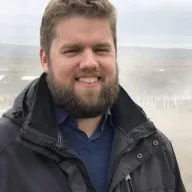
Hello everyone and welcome to episode 125 of the Actual Fluency podcast. The podcast for anyone who wants to learn a foreign language. Each week I invite special guests in the language learning community, accomplished polyglots, or even industry experts to try and talk about how to best learn foreign languages, give you the best tips, tricks and ideas so that you can become fluent much faster and much more efficiently than the good old school method.
This week I'm joined by Joey Perugino from, he's one of the organizers of Langfest. He's a good friend of mine. I was there in two years ago in Montreal, had a really good time. So that's also why I'm really happy to see that they continued the event the next year and now this is the third year they're going to have it. And it's on the 21st of August. And if you're listening to this in the future, you know, go to langfest.org and see if the next one might have been put up for registration.
You can catch a discount if you use the code Kris, so that's K-R-I-S, will give you 15% off. Additionally, they have other discounts as well. But so if you're looking to buy a last minute ticket on on Langfest, then uh, yeah, use that code, get a bit of discount.
I really, really enjoy language events and I, we're going to talk about this in in the episode, so I'm not going to take too much of your time before getting into the actual episode itself with Joey. But I just wanted to say if you have the opportunity to go to events like this, there's the gathering in Bratislava, there's the conference in Slovenia this year, it will be a new place next year. And then there's the Langfest here, which is in in the end of August, uh, late August. So, if you can go, I really encourage it. It, it's a fantastic experience, life-changing for some people, so, yeah, give it a try.
The other thing I recommend you check out is Glossika, which is the sponsor of the podcast. They're an online audio course provider which is focused on spaced repetition. So you get a lot of repetitions of each sentence that has a lot of grammatical points in it. So each sentence is designed to get you to be familiar with different varieties of the language. So it could be different grammatical elements, it could be objects, pronouns, you know, conjugations and and so forth. And they have 50 plus languages available for in the same subscription, so you don't have to pay extra if you're an aspiring polyglot who want to study a couple of languages at a time. Um, yeah, so check it out at tryloglossika.com. So that's G-L-O-S-S-I-K-A. Glossika. And tryloglossika.com will get you to a the website where you can, you know, get a free trial and and check it out and if you like it, you can subscribe for a monthly fee.
And as I said, you get access to all the languages, all the tools, they have lots of different games and applications, but anyway, that's enough for now. Enjoy this episode with Joey Perugino. And if you're going to Langfest, let me know. I'd like to follow you and get your Instagram snaps. Unfortunately, I won't be there, but uh have a great time and uh enjoy the episode.
Welcome, Joey, to the podcast. Thank you for taking the time out of your probably lovely summer afternoon to you uh, to talk to me today.
It is my pleasure to uh, uh have an opportunity to talk with you, Kris. Um, it's always uh, always pleasant to do so.
Well, thank you very much and I, I always remember back to my good time in uh in Montreal a couple of years back when we did the you did the first Langfest and I was there to see it all unravel and now you're in the third one, which obviously we're going to talk a lot about today. But uh, yeah, I remember those uh was it tacos and burritos in uh late night and uh, yeah, sure, that's a wonderful place to be in the world.
Yep, I I I don't remember exactly the uh, I remember we had a drink that day, some kind of Mexican drink and there was something weird written on it. I have a picture of it somewhere. We were like uh debating, does this make any sense? What does this sentence really mean?
Yeah, stuff like that, yeah. Well that's language notes for you, isn't it? Anytime you just get the opportunity there's always discussion. But before we get started on all the the Langfest goodness, do you want to just give the listeners an idea of of who you are, where you're from, what you've been doing with languages that that went into eventually creating this event?
I guess so. Um, well, I'm Joey Perugino. I'm I guess the product of a uh mixed cultural background. Uh my my father was Italian, but he came to Canada, Montreal when he was 16. Uh my mom was born here, she's Canadian. Uh her mom was uh her mom and dad both had French Canadian, were were both born here, but they came from mixed backgrounds also. My um on my father's side, the um on my, sorry, on my mother's side, the her father was part German and her and her mother was part Spanish. So, I had a lot of things uh always around me from the beginning and that sort of uh brought made me always curious about languages.
I mean, I think Montreal in itself also is quite unique in the fact that there's always that duality of French and English, but everybody, at least all my friends in the neighborhood that I lived came from somewhere else. I had Portuguese friends, Greek friends, Italian friends, French Canadian friends, um, and that helped shape me into the, I guess the language geek that uh people know me as today.
Uh in my, I guess in my youth, I went to a bilingual French school. So that helped. French and English all day, half day in French, half day in English. Uh my high school was only in French, but I did my university in English. Um, I've made a lot of efforts throughout, I guess the years in order to be able to uh come to uh learn a little bit more about my my my father's culture, which which was uh Italian. Uh I bought my first language book when I was about 14 to uh learn Italian, because I wanted to speak it better. Because we never really spoke it at home. My father just spoke to me in French and I sort of learned it after.
Uh Spanish, my grandmother used to talk to me a little bit in Spanish. My mom used to make me watch our little uh Spanish shows or movies when I was young, so that exposed me a little bit more. Uh but I mean, when we grow up, I think language just comes at us from many different directions. Some people are more curious about it than others. Uh I always was.
Uh German is is a language that because my great grand, my grandfather, I guess was uh part uh German, that always wanted to learn, but uh haven't been exposed to it so much. There's actually no one around me that speaks German. So, uh although I have, I I think I bought my first uh German uh language kit when I was probably 16, 17. I've been re-hashing at it for the last 30 years or so, making gradual progress. I'm making more progress now. I think there's more, it's easier because of all the content that's out there. And also hosting uh being the co-organizer of an event like Langfest, you're around so many people that are just so incredible.
Right.
You know, that know so many languages and stuff like that. You can't help but, you know, kick yourself a little bit of uh kick yourself a little bit in order to uh push you to do the extra effort to learn that language. But some languages are easier than others to learn and uh I mean, I've had the good fortune to meet a lot of people like yourself and other polyglots from all around the world. All of you give me your little tidbits of wisdom as to how I should go about learning. Uh you go and you you take and pick little things here and there. I think gradually, I mean, if you're consistent and you want to uh push forward, you will learn. You know, but it takes, it takes, it takes effort, like anything in life, if you really want to make it happen, you will. But uhm, you know, nothing happens by by mistake.
I guess we learn like the co-organizer of Tetsu, uh of Langfest, Tetsu. Uh learned when he was young and he's trying to do what his kids, try to expose them to as many languages as possible from a young age so that they all grow up learning it sort of naturally. That might be the best method, but for most of us that, you know, maybe get one or two when we're young and after that we acquire the others. Uhm, it's not, it's maybe not as straightforward the uh the uh the learning path.
Right. How's that uh manifested itself when when you uh, you know, got those language books when you were uh, say, a teenager or a little bit older, maybe, and and you still had that that idea of wanting to learn more languages was that did you take any school courses or
Well, yeah, I mean, for example, for me taking language classes was uh, I guess an opportunity to to learn the language and uh it was always classes that I did fairly well in. So, helped me get better credits at the uh better grades at university instead of having linear algebra or or accounting or whatever, you know, I learned, I took Spanish, or I took Italian. And I I mean, I helped learn acquire or deepen my knowledge of those languages. Uhm, it's, it's, I guess language is something that's always interested me, Kris.
Mhm. Makes it easier to learn as well.
Yeah, I guess so, it does make it easier to learn and I, it's it's sometimes when you have conversations with people, they think, you know, it's like, oh my God, you speak so many languages and stuff and stuff like that. I guess some of it is simply interest. Natural curiosity and other people are just not tuned into that. Yeah. But I always was.
I see that. It's it's all about really your upbringing, of course, but also the the cultural environment you grow up in. If you grow up in a place where nobody speaks a second language, then it's probably hard to build that interest when you're young.
Yeah, I I I guess one of the languages that I really, really worked, probably that I worked the most at to really want to learn, was Italian when I was young, because even though, you know, uh my my father was Italian, I I never really got the chance to speak it apart from on occasion when I went to see my grandparents or certain types of events where older generation Italians would talk to you in Italian, then you you would try to speak. Uhm, however, I guess when both your parents don't speak normally in that language and they don't talk to you in that language, uh it's it's always a little bit more of an effort to learn.
Sure, yeah.
And I guess I've been it was a really, really important for me to be able to acquire that language in order to just feel more uh, I guess uh link associated with uh my father's culture, with my last name, with all kinds of stuff. I it's it's it opened me up to another world. It made me feel accepted in that world. And sometimes something that sometimes, I guess when I was younger, I didn't necessarily feel that I was.
Right.
Um. I guess language helps your your learning a language helps open a door.
Language is like identity, I guess so.
It does. And people treat you differently if you can speak to them in their language.
Oh yeah, for sure. Like, um, do you have any good uh, do you have any stories yourself about that? I, I was, I like those kind of uh stories about people. Some of my favorites are people saying a few words in, I think it was uh, what do you call it, in uh in Eastern Europe somewhere, a little country. They spoke a few words just out of, you know, politeness and curiosity and they were treated to, you know, a staying at a staying for free at a family and they were treated three meals a day and super hospitable. But they probably wouldn't have if they were like, do you speak English? You know, so.
Well, sometimes, I mean when when the most, one of the most rewarding times in my life that I that I can say that, you know, I I felt happy or blessed for being having this curiosity for languages, was uh about 25, 25, 26 years ago, when I went away on on a trip with uh some of my, I guess Italian friends, uh to Cuba on vacation. Uh and uh we met a lot of locals uh that were Cuban and Cubans are very naturally uh curious, I guess, they like talking with people and stuff like that. Uh and then in early 90s, I guess tourism wasn't as big as it is today. So whenever a tourist came, even though you're in a tourist area, resorts and stuff like that, they were always very curious to talk with you, wanted to know about stuff that's happening in your countries and things like that and a little bit of Spanish that I knew had permitted me to be able to play sort of as an interpret with my interpret translator with my friends between the Cubans that were trying to talk with us and my friends who just spoke Italian, but for them uh Spanish was completely alien. They didn't have the chip of having that natural curiosity like like I do, I guess, because in reality there's a lot of similarities. But, you know, for them it wasn't there.
And when I was talking, I guess, you know, because I mean, you you can try to learn a language for so long, expose yourself in many ways, but until you actually put yourself out there and try to talk, you don't really know or you can't really gauge how well you know it. You know, and that for me, that trip was defining. It's what made me realize, wow, I speak a lot more Spanish than I actually thought I did. And uh I I really enjoyed that role very much of being able to be the go-between between the the locals and uh my friends and being able to connect with them in a way that I never thought that I would and I wouldn't have been able to if I didn't uh speak a little bit of Spanish if I hadn't made the effort to to learn it. Uh that really, I mean, if you want to if you want to talk about a moment that defines a person that, you know, like really opens you up to say, wow, I really like this language thing and I want to become, I want more. That was probably it.
It's the start of an addiction, maybe.
I guess so. And a few years later I was in when I was in university, uh I got involved with a um student association. Uh and there were some people that were coming from um I guess a lot of people a lot of countries around Latin America and again, I used my Spanish and I was like their local resource, bringing them everywhere, uh stuff like that. Uh it's uh it's been something that I enjoyed very much.
Continued.
Same thing happened with Por with Portuguese uh from when when I had the opportunity to to exchange with a lot of people from Brazil when I was in university, that made me um fall in love with that language also. You know, I I think in order to learn a language, there has to be something that uh probably click, something that attracts you to that language, that makes that learning that that language appealing, interesting. Um, some languages it's easier to find that, others, you know, it's more like homework.
Yeah, you don't you don't you don't you don't have that thing that makes you click or gives you a real reason to want to learn it. And I I think for certain people it makes a big difference.
Yeah. Um, so for, so, so, so for me, um, when I succeed in getting knowledgeable enough in a language to be able to interact, uh acquire uh acquire more knowledge, maybe the music, culture, food, all kinds of things, you know, that come with learning a language. That uh that's part of what makes it interesting.
Yeah. Well, that's why I, I hope that's why most people do it. I mean, obviously there are some people who have very specific, say, interpreting goals or maybe they need it for a specific reason other than actually using it in in the culture where it's spoken, but I hope that most people listening to this try to take as much in from the culture they're learning about uh through the language, because like you said, I also find that's the most rewarding thing about it, because you connect with the culture in a completely different way than if you're just there as a as a foreigner with with no language skills at at all.
Mhm. I mean, it's it's it's very common, at least in the first generation immigrants. If I look at my father's generation, my father spoke French and English very well. But a lot of his, I guess uh compatriots or uh people that came from Italy in the 40s, 50s and things like that, really, really struggled to to learn. They just continued living in their little uh mini representation of their world that they had created here. They only bought from Italians, only dealt with Italians, only did their their things in Italian. They didn't really, maybe it's because they felt uncomfortable learning a new language. And nobody really broke it down or encouraged them to try to to uh learn French or English. Uhm, but either way, for some reason they resisted. And in many cases, unfortunately, now you'll see the opposite. People from my generation, which are not learning the parents of our forefathers or things like that and they just speak French and English and they're losing something that was really special that their parents could have passed on to them.
Hmm.
Uh which is a the gift of a language. If I look at my at my in my in my family, I have my uh I guess my my my father's brother, also married a French Canadian. But she wasn't like my mom from other backgrounds. So she they really only spoke French. And his kids only speak French. They speak no Italian. Which is really sad.
Yeah, it is a shame, yeah. Hey guys, I just want to take a quick break here and give a shout out to the sponsor of today's show, which is Glossika. Glossika have been extremely supportive of the Actual Fluency podcast and website over the years and I'm really thankful and grateful that they wanted to come on board for this kind of re-release of the podcast, this new era.
And, you know, what is Glossika? Well, essentially, it's kind of like a spaced repetition system, but with audio-based sentences. So you have listening practice, you have speaking practice, and every day you can do reps. So you log on to the Glossika site and the software, using some fancy AI technology, actually places you on your skill level and suggests sentences and content that are appropriate. And what I really like is you can log on to Glossika and just press a button and it will do all the reps you need for that day. This is in contrast to other websites where you have to constantly click or type, or and, you know, there's merit to that, but I really like Glossika's approach as well.
Um, so if you want to get started with Glossika, check it out at trylossika.com, and that's Glossika spelled G-L-O-S-S-I-K-A. Have fun.
But you see it a lot in uh, in these uh, in in the Western world that the language of the immigrants, they they disappear in, I think it, I think it's only two or three generations. Like, two it's almost gone and three it's almost certainly gone. Which is really scary, you know, that's really quick to lose quite a big part of the of the identity, but of course there are many issues with uh, usually uh, adapting into foreign culture. It sometimes can be difficult to have a a, let's say, a different language, you know. If you're you're the kid at school who, let's say, everyone else speaks English exclusively and you're the kid who also knows Italian, I mean, I don't think the other kids in, let's say, you were about seven, I don't think the other kids would find that cool. They would probably quickly use it as an excuse to like endlessly, um, you know,
Bully you or something like that, yeah. Kids can be very cruel, and it's one of the reasons where when I was young, I really felt bad about not talking Italian, because I went to uh elementary school that was 95% Italian and I was like probably one of the only ones there that didn't really speak. I understood, but I I I spoke very poorly, very little. Uhm, and that really is probably one of the things that motivated me to to really make an effort to learn. And I had a lot of discussions with my parents saying, why, you got to you got to you got to talk to me more in Italian. I really want to learn and stuff like that. And they encouraged me, but they still, because it wasn't the norm in our house, always watch Italian or uh talk Italian, you know, it just didn't happen naturally.
Yeah. I can understand that. It's it's a shame that that that happens like that, but your story is is uh, is quite
Very similar to many uh, many persons all around the world, I'm sure.
I've heard that a lot of times. And also there's the idea of it is a misguided idea. I'll, I'll give you, I'll give that say, a preference to it, but there's the idea that parents think that if you move to a, let's say, an English-speaking part of the world, that the child will need English to sort of be accepted or get a job or university or whatever. While they don't really know that you can actually, there's no reason not to do both, or three, or five, like Tetsu's demonstrating.
Exactly, exactly. No, he's extreme, but you know, the formula works.
Yeah, it really does. It is actually scary to see how just how well it works. But the brain is amazing and especially at that age when you're, you know, just starting out learning a language, when you're two or three or whatever the time is, they start speaking well, uhm, you're so, your brain mass is so malleable, you know, you can just uh build whatever you want to build, even five five languages or more, I guess. There's also Bella is a good example.
Yeah, there there's there's many theories on that and actually one of the persons that's speaking this year at uh at Langfest is uh I got uh Trupala or something like that and she's a uhm, I'm trying to find her thing. So she's a language speech language therapist.
Okay.
Okay. And one of the things that uh she does is that she she she wrote a book actually on uh language acquisition and things of the sort. Uh I think her parents are from her father was from Angola, but she was born and raised in in Canada in in Montreal. And she also speaks French and English and I guess the specific language that they speak in the area that her father was from, because in Angola itself, I think there's like 50 different dialects or something like that, so every village speaks something else. Um, it was very very hard for her to uh acquire uh the the language. And even now today, she's making efforts to do so. Uhm, but some of it is is having access to to uh to content.
Yeah.
Like like for for Italian or uh or Spanish or English or French, there's so much content that's out there. You if you want to learn, you can. For certain languages, it's it's harder.
Definitely. And that uh, how's that changed for you as you you mentioned you bought, you know, some of the books when you were starting out as a teenager, but I I must imagine that it's, you know, it's changed quite a bit the way you
The formats of everything that's available is very, very different. I mean, learn learning in itself, you have to invest yourself in whatever tool or method that you're using and just go through the flows. In order to learn. Okay, but it's it's it's much more accessible than it used to be. I mean, I used to have, I had bought just a book. But you could I I also had uh for German, I I remember I had cassettes or uh things like that. Uhm, cassettes didn't work very well for me, I was too lazy, uh to go through them, but the books worked a little bit more. Uhm, but it all depends on what what's out there. Nowadays, like, for example, two three four years ago, I I uh I was like fed up of all, discouraged with uh my lack of progress in German and I said, okay, I got to pick another language. I said, which language should I pick that should be easy for me to learn, given that I speak French, Italian, Spanish and Portuguese. I said, okay, I'll pick Romanian. And then I saw on YouTube, uh there was uh a channel uh from back then, she was probably the only one, um, for uh for learning Romanian. And her classes were really fun and things like that and I said, oh, that's great. So I started following that and I found that, you know, as I as I thought, there's a lot of similarities between Italian and Romanian and and things of the sort that, you know, I started understanding and picking up the language and it was very encouraging to see different types of materials that I could use. So that sort of introduced me to uh other methods of learning and and YouTube is very, very uh very popular. It's a good tool. Like for German, I use German pod 101 and things of the sort, which is like 24 hours of someone just shooting phrases at you and and things of the sort. I mean, it's it's it's fun. I know you tried, you've learned German as a second language also. So you you know the the having access to having material is
Yeah, I always I always I did it in a very passive way. It's my is the first foreign, well, I mean, ignoring English for a second, which I know I shouldn't be doing, but it's the first foreign language I learned exclusively in school. Um, because I didn't really, I had a a good language ear, so I could quickly get to know the stuff for the in the school, the syllabus, but unlike English, uh, there was no German content widely sort of watched or, you know, there was no German TV. I mean, we had the German channels, but I wasn't going to sit and watch, you know, some 80s uh crime detective show in German, you know. I, I learned English because the video games were all in English and those were the games that my friends were playing, and I was playing them a lot. So you had to learn English. But there was no nothing, no thing, the same pressure for German. So my German is not, compared to the time that I've spent on, is not very good. And I haven't actually spent any significant time on my own learning it. So it's pretty much only been in school. Uh, so that experience is very different for me as well. Um, but yeah, if you spend enough time on something, you will eventually get good at it, you know, even if it's like just in school.
Well, if if you look at uh North America. Okay, like for example, here in Quebec, people start learning English or French, a second language from, I guess, the second or third grade of elementary school and they learned it in theory for about 10 years. However, most people will finish high school not being able to carry on a very simple conversation in that target language. Why? Because they're just learning it
Passively, like you said.
Uh they're not really finding a valid reason to learn it. Uhm, and I I guess it's it's the way that it's taught at school that maybe is not
It's not about speaking and listening, definitely. It's more about just vocabulary and grammar, maybe.
Not interactive enough. People can explain grammar rules or tell you what a word is, but they really struggle if they have to buy a milk from from the shop or something, you know. Something like that. So, I mean, there's there's so many programs out there when you look at it, uh to try to get people to learn languages. And there's many academic programs that are that are there also. Some of them are better than others. Uhm, having been to a bilingual school when I was young, where literally half the day was in a language. The other half was in another language. Uh, I can say that that's probably the the best formula for someone to actually learn a language. And the English that I learned in my first six years of school was sufficient for me to be able to speak English very well, like I do now, and go do my my university studies in English, although I didn't really
Yeah. I don't think I don't think it's about the time necessarily. I mean, we definitely have to be careful about how we define it. It's it's about the hours really, not the years. Because I had German in, I think about probably 13 school years I had German. So that was, you know, uh that was elementary school, that was high school, and I also had a little bit in university. Um, but in, especially in primary school, you only have, you know, an hour and a half a week. Uh, so if you add that up, I think I made the math at some point. I I did, I believe it was about 300 hours that I estimated, just because of holidays of, you know, uh weekends and everything, it just came out to a very small number over the years. So I think you when when you say, you say six years, you obviously had quality six years, whereas somebody can go 10 years with very low quality or very low quantity in those 10 years and not know a thing.
Exactly, exactly. So what do you attribute your success to, since you only had 300, 300 hours or so of of German and I know you even did an interview in German once.
Yeah, it's a couple of years ago.
I still I still would not consider myself a success in German. It's still a very weak uh language. I still make a lot of mistakes.
But I think what happened was first of all, I really liked my German teacher back in elementary school. He was a really cool teacher. He was really cool guy in general, but he was also
Yeah.
He was kind of in on the whole computer thing. He understood a little bit, which in the 90s was completely unheard of. Like all the teachers didn't even know what a computer was, most of them. Uh, this guy, you know, he we talked, we used to go to uh, we had swimming lessons every week, uh and I would sit close to him in the bus, you know, you can't, you can't always sit next to the teachers, because everyone wants to sit next to the teacher. Uh, but and we'd talk about silly things like I don't even remember what we talked about, like website coding and all sorts of geeky things that were happening at the time. So because I really respected him and I, I, he's actually a really good teacher, you know. Um, I really developed an early interest in languages and we had a little taste year. So I really liked that German. And I was I was really good at it, so I was encouraged, which uh, I was a bit of a delinquent back in the day, so when I actually got some praise for something, uh, it was really nice. And I, I think that's pretty much where it started, but I don't think it got good, like proper, I don't think I converted it into something useful until I started going to Germany, actually.
Um, in in high school, or maybe a little bit before, yeah, it was high school, I think. We went to this conference. It's a uh Model United Nations. This is an event.
Mhm. That sounds cool.
Yeah, it's actually fun. It's like uh you just pretend you're some country, you're a delegate in the UN and you do all these meetings where you have to speak in a very, it's all in English, but it it was in Germany where I participated. And I had to stay with a host family and I had a, you know, uh a host uh student from the school and we would speak mostly in German and and I would try to sort of get around in German. And and those couple of examples really just, yeah, turned my passive knowledge, which I'd developed over so many years, because I think that's that's what you do when you're in school, you develop passive uh vocabulary, you develop passive understanding. So when people actually speak to you, if you've had it for many years, I mean, this is just about, you know, the the volume of of information you have stored in your brain, it's so much easier to actually convert that into a functional language, rather than doing a functional language from the beginning, which is, I mean, I really respect people who can do, you know, a couple of months of study and then actually have what seems like normal conversation. They're a little bit basic, maybe, but for me, it took years and years and years. So I wouldn't call it successful. It's definitely not quick. But, um, it's, um, it does mean that I understand literally everything in German now and I can't really write very well, if at all, because the mistakes are too obvious. Um, but if I'm speaking, I sort of glance over it or I can say it in a different way and and yeah, it it's good enough. But that brings me to another problem, is if it's good enough, I don't really have motivation to make it better, because there's so many other languages I'd like to learn, but at the same time, it seems silly not to spend a little bit of time on it and get it to a really good level. Um, but I don't know, what do you think? Do you have any of that kind of thing?
These are all choices, you know, that we have to make. You can't be uh proficient in every single language to the same level. You know, like, for example, I speak French and I speak English fairly well. Like when people ask me, okay, what are your native languages? I'll say French and English, it's both. However, you speak to any Quebecois here, when they hear me speak French, they say, oh, this guy's an Anglo. And when I speak to people that are that are English, they'll say, that's French. He's French. You know, and it's like, you know, I'll never, I'll never be able to uh speak it to a level or uh have the same intonations or things like that because of the fact that I was raised with both. And often in my own family, where we do a lot of code switching. So we're always switching between both languages and stuff like that and, you know, we don't even realize that we're doing doing so most of the time. When I was young, that was, that was my norm. I remember when I was in in elementary school, my my teacher in fifth grade, uh noticed that I was always switching like that and then one of the day, one day, my mom came to a parent student activity and stuff like that. And she met her and she started talking with her. She said, now I understand, you guys are natural code switchers. You just switch from one language to the other all the all the time.
Yeah, I've seen this. I've seen this. It's it's quite I find it quite amazing, actually. It's it's it's quite beautiful.
You know, and and uh I guess that's because you're each equally comfortable in both languages and you know that the person that you're speaking with is also like that. So because of that, you will code switch. If I'm I'm speaking with someone that I know is not, I guess uh proficient in that language too, then I'll stick to only one. Like with you, I'm only talking in English. Um, but I mean, with other people, it's sometimes, you know, you'll you'll go and it could go in three languages. French, English, Spanish, depending who you're with.
Yeah, it's true. Sometimes it's weird.
Because that's the way the conversations flow sometimes.
I've heard you do. I have some friends, for instance, in uh the the, you know, sometimes we're in a group where we might have three common languages and it's English is like the easy way out. Then we'll usually get most involved, but we try to mix it up a bit. So I have a German group at the uh gathering and stuff, we try to speak German. Uh, which which is nice. So that's another thing. That that also helps me sort of keep my level or improve is just practice, you know. I'm at that stage now where I don't really need more theory, just need practice and and listening and and speaking. So, that's that's that's
Have you been watching Babylon Berlin?
I have not. What's what's that?
It's on Netflix.
Oh, it's it's a great series. It's it's in German, obviously. It's called Babylon Berlin. It's on uh it's on Netflix right now. It's like a a from the replica of the 1920s in Germany and things like that. It's happening in Berlin. I'm enjoying watching it. Although they speak so fast, it's a challenge for me to uh try to follow. But uh great series. Great decors, the way they dress and stuff like that.
Right. Yeah, I think I think they don't have it in the UK Netflix, unfortunately. So I might have to find it other places, pirate it. Um,
You don't have you don't have Netflix in the UK? Oh, they don't have Netflix in the UK, but it's a different uh catalog. Right.
They don't have necessarily the same different uh programs also. Yeah, different countries feature different uh series, each film even, so which is stupid. I I really I really wish the world was more global when it comes to these stupid things. It's like watching, you know, you go on uh you read a news article from somewhere and they go on the web, you don't care if it's like the New York Times or it's the Istanbul uh Esquier, but if you go on their website and it's like, sorry, the producer of this video has blocked viewers from your country from seeing this. And I'm like, why? Like, yeah, it happens to me. Yeah, it happens to me all the time. Like, who cares, first of all? If more people watch your stuff, you have better numbers to show advertisers, you can get more money. Second of all, why am I going to pirate a two minute news section, you know? What what exactly are you worried about? I don't understand that. It's like, oh, it's not licensed to your country. Uh, okay. The internet, hello. But anyway, that's a a rant on the side. Um, we better get talking about uh Langfest. So, it's your third year. Is it? Yeah. It is.
Yes, it is our third year.
Third year. Maybe you want to just quickly uh, I mean, we don't have uh endless amounts of time, of course, but maybe just quickly how you started it. We might have talked about it before, but I like a a good story. So, so what made you uh start this event back in uh 2016?
So, in 2016, when we held the first ever, I guess uh uh Langfest, which back then was called NAPS, North American Polyglot Symposium. Um, it was sort of a spin-off of a movement that started after the polyglot conference, which many people know about. Uh went, came to North America and held a uh did their conference in New York City. For many people, like myself and Tetsu and many other people in North America, it was the first time that we ever went to this type of polyglot event that brought people from all around the world together and people talked about languages and, you know, you could exchange with people, meet really interesting uh uh presenters and, you know, just have a weekend of languages. And a lot of us, you know, that attended that event were so completely blown away by the fact that this type of event, because it could have happened right here and it was so much fun and things of the sort. We were all on a high, I guess, for a little while after the event ended. And uh there started to be talks, okay, about uh holding a type of event like this in North America.
Um, they did a poll, I guess this group of people did a poll, where should we organize this event? Which city would be a good represent representative of uh languages in North America and stuff like that. And overwhelmingly, Montreal was chosen. So then after they said, who actually lives in Montreal? Who's from there? Who could help us organize this? So then Tetsu and I sort of became the de facto organizers of that first event. We didn't really realize what we were getting getting ourselves into, but, you know, the uh polyglot world really responded very positively to our uh holding this kind of event.
I mean, we brought together uh I mean, people like Benny Lewis, uh Ollie Richards, Stephen Kaufman, uh and many others, you know, that, you know, you see sometimes on on YouTube or or whatever and you're they're people you really look up to, uh, with regards to languages. We even really got this this really great guy called Kris Broholm to come down to uh present at our uh at our event. Uh, so, so I mean, it was, it was really, really great and people like yourself really just encouraged us and kept us going and uh, we managed in holding our first event successfully. It was very uh informal, I guess, but I mean, we uh put it together. We got about uh a little bit more than 100 persons, 120 persons, more or less, to attend the event. Uh it was held at Concordia University. I had uh I'm an alumni from Concordia University and when I was there, I was a uh I guess uh I was in a student association called AIC and they helped us, you know, get the space for very, very cheap. So we had great space, great speakers, all that was left was was advertising it and getting people to come and people responded and came. So that's that's what got the the the first NAPS, Langfest uh done.
Then after, then after that, after that really successful first year, uhm, we did a second edition and we got, you know, Stephen Kaufman, uh Ollie Richards, Richard Simcott, Alex Rawlings, uh and many, many other people to come down. We even got the little girl um what's her name? Bella.
That is a great uh.
Libia Kena. Uh I mean, when when when you have people like that that say, sure, I'll come down. You're like, what? Okay. Let's let's we really got to work hard to make this happen. And I saw the and pictures and stuff, you know, it was a great success last year as well. Very jealous that I couldn't make it. So this year, uh Benny's going to be there again for a third year. He's always been a very, very big uh uh supporter, I guess. We're going to have Steve Kaufman. Uh, we have uh I'm very much into learning German. So one of the persons that I admire a lot that uh has a really great YouTube channel is this girl called uh Anya Winter who does Learn German with Anya. And she's never been to any polyglot event ever, but she accepted to uh come down to Montreal. Uh so she's going to be presenting at our at our event and she'll also do a German uh workshop. We couldn't have her without doing a German workshop.
That's fantastic. So uh, a little bit of personal gain there as well. Yeah, that's no shame in that.
I guess so. But I just I just wanted to take a quick second. Just some people I know have never been to any of these language events, so it might sound a little bit strange to to to them, what like, what could you possibly do with these events? You said, you said, obviously to meet other people, to network, to maybe exchange some languages, to to try using your language skills, but for me, I feel like it's more of a it's it's more of a, what do you call it, like a camp. You know, if you ever been to one of those camps where everyone has one interest, like either band or science or even math, I've heard about in in the US. I feel like it's just a bunch of people with the same similar interest who are usually extremely nice and and friendly, very welcoming to any anyone who comes there. And you just have a really nice weekend and you meet a lot of people, you practice a lot of languages if you want. You know, people have lots of languages on their badges, so you can quickly spot people if you want to practice a a a particular one. And you just come home with, I feel like, a great sensation of uh, you know, not belonging is probably a big word, but you know, you you're part of something bigger all of a sudden and you build a network in in the whole world and and of course spending a weekend in in Montreal, in beautiful Montreal is is also part of the package, but but how would you uh sort of describe the experience?
Look, I I think you you hit it on the nail on many, many of the things. To me, it's more than just a conference. It's it's sort of a an experience. It's an adventure. You know, like, you come down for three to six days, because it because the event actually starts on the the 21st, on the Tuesday and we have a lot of uh opportunities for people to get to meet each other, do a little bit of city uh get to know the city, do some touring, some touristy things. And the actual conference starts on the Friday.
Uhm, language learning, I think, sometimes is a very lonely uh lonely activity. It's something you do on your own. Okay. And for many people, we don't get the chance to exchange with with individuals like ourselves that are into learning languages, that have a curiosity for language learning, uh very often. You know, and coming to this kind of event, you do find yourself amongst your peers, amongst people that are that have that general openness, friendliness and where you feel welcome, you know, even though, you know, you're you're all, everybody's trying to learn a language and everybody's at different levels in different languages, depending on which language you're trying to learn. You know, so everybody knows what you're going through. They know the the tricks, the tools, they know the pain that you go through when you're trying to to learn. They know about the challenges and things of the sort. Um, and I think being in that crowd, there's a very special energy.
Yeah, it's true.
And we try to we try to really, you know, like give people an opportunity to exchange and interact with another, with one another. That's why it's there's a lot of, there's a lot of social. There's some academic also. I guess, I mean, we got some really great presenters that will talk to you about uh uh different the neuro the neurology of the brain and why a language acquisition works and which part of your brain it it accesses, the right hemisphere, the left hemisphere, things like that. But you also have uh presentations where you'll learn how to write your name in Chinese. You know, like Chinese calligraphy. Uh you'll have things where you'll have people that that uh make a living, you know, doing accents and things of the sort or speaking different languages, with a more comedic twist.
How to make money.
Uhm, you have people that are world travelers.
Personal experiences, I always like those, like somebody talking about their own
Exactly. You know, and and you'll find that many of the people that come to I guess Langfest are also some of the people that go to the polyglot gathering and that go to the polyglot conference. They it's sort of a tour. They do like three, four events.
Oh yeah, yeah, I mean many of my friends, yeah, they do that. I mean the there's always a bit of a divide between American and and Europe, because it's just so hard, uh, well, hard, it's very expensive and time consuming to travel between. Uh, so I find that in Europe, for instance, that this is totally true. Like, if you go to the the conference and the gathering, that the overlap is sometimes 50%, you know, people go to both of them. Um, so, so I can
Yeah, yeah. Yeah, it's true.
I don't know, when, maybe next year, yeah. I need to be careful not to say that every year, because then obviously I'll never come, but uh, yeah, once I found a little bit more of a a steady, stable place to live and and jobs and I'm definitely going to come, because it's it's also an opportunity for me to go a little bit further. You know, going to Germany, Berlin or something, it's not really much of a trip. It it's exciting as always, but going on a nice long flight and seeing a part of the world you didn't see before, like when I was there last time, I was in I drove down to um to Boston and picked up a friend and we did a little mini road trip, uh which wouldn't have happened if there was no Langfest. So, yeah, I I I think I would highly encourage people to to take that opportunity if they can. Obviously, it is expensive to fly there for most people, unless you're a local or in the area. But the rewards are also equally good. The opportunities you can find, the friendships you can make, like from my first year at the polyglot gathering in Berlin, which is 2014, that was the first year they had that event. So, and speaking of which, these are so such new things. Have you have you thought about that? It feels like we've had these events forever, but the the oldest one, the conference, I think started in was it 13, 12, it was it's not it's not.
It hasn't been running for very long, but I mean, it's it's it's a great movement and uh last last year, Richard Simcott was saying, you know, that he's very happy to see that his uh his event that he started, the polyglot conference, uh sort of has uh uh had two children, if you want to call it that. The polyglot gathering and now the the Langfest. Uh, but I mean, it's it's it's a wonderful thing and I I'm sure in the coming years, you'll see it pop up in other areas of the world too. I mean, Africa doesn't have anything. Asia definitely should.
I hope so. An excuse to go to Asia would be fantastic for me, because I've never been, I don't really have any experience, first hand experiences with relation culture. So for me, if they did say a polyglot gathering in, I don't know, Beijing or I don't know, South Korea or uh Japan or something, would be super interest. Yeah, I would definitely go to that. Or maybe even like a lot of a lot of things happening in Thailand as well, Bangkok or Chang Mai, there's a lot of expats as well, so maybe not ideal, but uh,
I've never been to Asia either, so that's uh, that would be the but let's throw them the idea. Let's get them to organize.
Obviously, my massive task to I mean, you know how hard it is to organize an event in your in your home city.
Yes, absolutely. And we don't change cities, so you can't imagine if you try to organize Langfest next year in uh Tokyo. Good luck. Exactly. Uh, it's uh, I mean, when when we first, when when we first started, we were thinking about bringing it to different cities every year across North America. We we we still want to do that. But I mean, the logistics of organizing an event like this are yeah, are uh significant, let's call it that. So, we haven't given up on that dream, but it's maybe one day, yeah.
Well, I mean, it's all the growth. You saw the the gathering in Berlin was in Berlin for three years, you know, and and now it's in Bratislava for a while and it might move again and I think that's just that's just great. And and the conference was obviously always changing every year. But I like the idea of seeing where it goes, see what people say. If people start being a little bit bored of Montreal, which I don't understand necessarily how it could be, but uh, it might happen, uh, then maybe look into moving it a little bit or, you know,
Yeah, I'm not saying that they are. I'm just saying that our our original premise was that we would be moving every year. I have a lot of respect for Richard and Alex that they've managed in having a formula that they can do so.
Yeah, yeah, for sure. It's a lot of work.
But luckily, uhm, or well, not luckily, I mean, to their credit, they always get someone local to to help them out with a lot. Exactly. So give them a hand. Yes. They they wouldn't be able to do so. When you hold this kind of event, even at Langfest, we have countless amounts of volunteers that give us a hand. You don't see them, you don't see them, but they're all there and they're all working very hard to make everything happen. Uh, and, you know, holding those types of events without the help of volunteers would be absolutely impossible.
For sure. So apart from, let's say, the the the nice talks and various different topics, you've got the you've got the social aspects covered, you've got extracurricular activities planned. Um, are there anything else that you want to just quickly uh mention that also happens or that people should be aware of, or maybe some quick tips about people first time going to Montreal?
Well, some some new things that we're going to do this year is uh first of all, we're going to have the language Olympiads. I don't think anything's never happened before anywhere. We're going to try to do some kind of game. It's going to be called the language Olympiads. That's going to be on the first day, on the Friday. Uhm, we have our big kickoff event that starts on the on the 21st at uh Mundo Lingo. Do they have Mundo Lingo in the UK now, or they don't have that?
I don't think so. I haven't heard of it yet. Um, Yeah.
Did you come, did you attend the Mundo Lingo event when you came to Montreal?
I think it's a definitely an interesting event. Uh, I would recommend people always check Meetup as well, uh, in case there might not be a Mundo Lingo, but there might be a Chinese group or an active Meetups or things like that. Yes, so Mundo Lingo is is an event that uh sort of brings people from everywhere. You put a, you put the tag in the languages that you want to speak and uh you just meet up and talk with people. So that's where we're going to start our first day, sort of to get people to mix and talk with people, right from the get-go and things of the sort.
Uhm, for the rest, uh, you know, I I think we have a very, very good program. It's going to be a lot of fun. Uh, if anybody does come, I would encourage them to come uh earlier, don't come just on the 24th, try to come on the 21st or the 22nd, so you get a chance to do some of the before activities. Uh on the 26th, which is the Sunday, we always end our event with a big picnic after, some kind of potluck where everybody just gets together, unwinds and we talk about our weekend and how much fun we had and things of the sort. Weather has been nice for the last two years. We're hoping, crossing our fingers that it will be nice again for a third consecutive year and we can hold our picnic after. Uh but that's really a nice a nice way to like, Yeah. unwind an event and have people, so if you do come, don't leave right away on the 24th. Leave the leave next morning.
Yeah, you mean you mean the 26th, yeah.
That's what I would recommend. I would say that as well, you want to you don't want to have just the event. Obviously, some people have to because of work, they can't make more, but I would say if you can make a trip out of it and take the week, there's always, always stuff going on in Montreal anyway. Uh so the the city itself is buzzing. I remember there was there was a jazz festival, there was a some of the street
Yeah, I'm just for laughs.
There's a street.
Yeah, it was just for laughs. There's not. Yeah, there's a thousand things that are happening in Montreal. Montreal is always going on. Downtown as well. There's not, sometimes really to have a festival, I didn't really understand that. There's like a city that was, I mean, a street that was closed off and it had some uh stalls and I I don't know how that works either, but uh there's definitely a lot of buzz and obviously rich uh cafe life, lots of restaurants, lots of experiences, uh bars, cafes. It's really a a pleasure to to be there and I I really enjoyed my time there.
Yeah. I'm glad that you did. If you hadn't, probably we wouldn't be talking now after three years. I I I consider myself fortunate to have had the opportunity to to meet with you at this kind of event, Kris. And uh that's the kind of thing that I encourage people to to uh to want to want to have. You know, it's it's the magic of those those events.
Yeah, the event itself is also good. I have many fun memories of the picnic, for instance, I remember as a really fun time. We were there until it was dark, basically, we couldn't see anything. Uhm, and I remember like I said, I remember the tacos one night, there was a car crash out in front of the restaurant, uh or a little place we were at. And yeah, these are all things that wouldn't be possible if I didn't, you know, make the effort or at least you can go back and say even further than that, go back to actually have an interest in languages to begin with. These are part of the opportunities, the experiences that open up when you when you do them.
If if I can ask you, I mean, for me, obviously, attending the polyglot conference the first time, kind of changed changed me, changed my life. Opened me up to many different opportunities and that's how I became co-organizer of Langfest and things of the sort. On on your side, how has your attending the polyglot gathering, you said, in 2014, can you see a different person? Is there a, is there a different
It's day and night. I mean, I guess I knew that it was I was always that person, but it just sort of made sense. It made it real in a way. I I got confirmation. I met so many talented people, like I met Benny Lewis there, who I'd been following on YouTube and on his blog for probably six months before that. Um, that I found him six months before and I read every blog post he ever made, I saw all his videos. And I was just amazed that somebody could make it so, look so easy, you know.
And um, and I and I actually it's a funny story, but I don't know if it's fate or whatever you want to call it. I I always find like fate and destiny funny in retrospect, but retrospect, but it I don't really believe it in going forward. I I feel like you always have to look back to make the connection, but so I was, I've told this story before as well, I I I was I found Benny's blog and I realized that you can actually be a polyglot. Like, you can learn languages more or less just for the sake of it. I know you obviously have reasons for each language, but it's it's like a hobby where I I had a talk with Azran yesterday, he's also coming to the Langfest. Uh he's a great, great, great guy. Uh really really full of energy and talented and he said something like along the lines of when language learning is your main focus of your life. Basically meaning, it doesn't matter what you do as a job or as a as other hobbies, or with your family, or who you see, or where you go, language learning will always be there. Uh so you build your your life around that and I I felt so that was when I discovered Benny and I I I got that idea. I started seeing other people, Richard Simcott, Alex Rawlings, all these uh classics that of course um um, you know, Kaufman as well, a legend in its own way, which I mean, that's a whole other story meeting Kaufman as well. He's he's fantastic. Uh, but I went to the gathering and the whole, we had kind of a small room. It was a bit like um, it was just a it wasn't meant to be an auditorium or anything. It's just a small room, couple hundred seats. It was a relatively small event, the first one. I think they had less than 200 people there with with the volunteers. Um, which of course completely dwarfed now by the 500 plus in in Bratislava.
But so, I sat there and it's like, I'm sitting next to my friend Chris, who I also met through this uh language, Chris Huff, who's also a great, great guy. Um, and there's two seats vacant next to me and Chris. And we all sit down, ready for the presentation, you know, welcome to polyglot gathering. And a little bit soon, it's like a a little breath of everyone like takes a breath in at the same time. There's like this suspense in the room. Changes and and I look up and Benny walks in and he's like the celebrity of the community, you know, at least he was back then. I don't know if it's uh if if it's a little bit normalized now, but he was definitely the the biggest celebrity there and he walked in and where else would he said, right next to me, of course, because there were no other seats available. And uh when he came in, I shook his hand and he had absolutely no reason to know who I am for any reason, because I'd only just started the podcast a month before. So I hadn't really built up anything. And when he came to shake my hand, he his his partner Lauren said, like uh so he just looked at him like, oh, who's this? He's like, oh, this is Chris from Actual Fluency. It's like, bam, you know, I was there, you know. I was already I'd already even to just one person, I'd built up something that was at least memorable for a couple of weeks. I'd obviously emailed Benny to be on the show. Um, but so to say that the first polyglot gathering changed my life is a bit of an understatement, even.
Understatement, yeah.
Uh so yeah, it it defined everything from there and, you know, for I think about two years, I published an episode every week, uh based off of that energy, initial push there. Well, you know, occasional uh exceptions, but that was that was it. And I I think the most important thing is that I saw people, I saw real people doing what they said they were doing, you know. I could read on Benny's blog, oh, yeah, I speak 12 languages or something. But when I saw Benny get literally carpet-bombed by people asking him questions in different languages, and sort of holding his own, I don't think Benny's ever pretended to be, you know, an expert in all his languages. Uh I was like, okay, well, there is a truth to it, you know. And I met some of the most amazing talented people I've ever seen, people who speak 8, 10, 12 languages to a really high level. And that just made a big difference. Because before, it was just theory, right? You're like, oh, yeah, all these people know all these languages, but it's not real until you actually see it and feel it in in in person. And it helps that they're all amazingly friendly and nice and welcoming, you can ask them all the stupid questions you have if any. They're always very accommodating and patient with with new people. I I felt extremely welcome, even though I only knew I think I knew Chris and then maybe two other people I'd written with. And for instance, Judith, who's the main organizer, I'd written a little bit with and she was on my podcast. But she didn't recognize me when I came. So, you know, it's not like I had 200 famous people in the community who who knew who I was. Exactly, yeah. I was still a brand new one like everyone else. And by the end of every day, I was so tired just by socializing, you know. Just just just meeting people all day and and it it's just a fantastic experience. So if you if you're listening to this and you haven't gone to a language event, uh language polyglot event, I guess we can call it. Not that you need to be a polyglot to go, that's a big uh thing I would like to mention. Uh but yeah, I really encourage you to do it, because it it it can be life-changing. I don't want to promise it will be, but uh there's some sample size suggests it might be.
Yeah, yeah, it's it's I've had similar experience, Kris. In any case, uh you know I mean, this experience that I had has put me on a path where I've had the chance to meet and exchange with so many incredible people that like you, I have the energy to be able to just keep going forward in my learning and I'm really enthusiastic about uh future opportunities that I will get of meeting really extraordinary people from all walks of life that you know, blow me away every day.
Yeah, it's it's it's it's it's great to be in the presence of individuals that really help take you out of your maybe your original comfort zone or wherever you are and make you be more than what you what you normally are. If you understand what I'm trying to say. Anyways, um, it's it's it's it's a great feeling. So, for me, you know, I'm privileged uh to uh be co-organizer of this event. Uhm, it's gotten me to to to get to meet and exchange with so many amazing people and uh I I really encourage everyone to uh give it a try. To come along. It's uh, Yeah, yeah, that's it. I mean, if, Yeah, yeah, that's it. I mean, if, I I'm I'm absolutely convinced that they're going to enjoy the experience. Can I just thank you for doing it on behalf of the whole community, because I know that the work involved is just insane and I know that any compensation, if if any, is absolutely tiny compared to the effort it takes to uh to put this through. So, I'm just thanking you for doing that, because if you didn't, then I'm not sure there would be one, an event like this and and people would really be missing out on it.
Yeah, well, thank you very much, Kris. I do it, you know, when you do things like this, you don't do it for yourself. You want people to enjoy the experience and to really be able to get like maybe a tiny bit of what you and I got when we went to our first uh Yeah. polyglot event. If they get that, I will be the happiest.
But anyway, yeah, so when this episode goes live, of course, uh there might be people listening in the future, uh to future editions. Uh for now, I don't know if you've already uhm, already decided on having one in 19 yet, but uh, you can always go to langfest.org to see the latest status and and sign up and you can use the code K-R-I-S, the discount code there. I'll be sure to um, to write to you and get it activated for next year's event as well. So in case people listening to this in the future, they can always use that code to uh grab any available discount if you are running any. And uh,
Yeah, well, there'll always be the the 15% discount that you get uh when you use a a promo code, but you also get discounts for being a student. Uh if you buy two tickets, buy one with a friend, you get an extra discount. If you go, you get a couple of persons per together, you get extra discounts. There's also spot events, spot uh spot promotional things that which you can uh put together. You can get up to 57.5% off at a certain point, I think. The the the whole, if if we could give it, if we could let people come for free, we would. Unfortunately, you know, having a venue and getting all kind those things does have a cost. But there's a lot of promo codes out there that that make it not so expensive and it's really uh uh nominal amount when you think of the what you get from it.
Of course. And and they also, you know, if you have a life-changing experience, uh it's not it's not that bad. Uh considering what people might spend on going out for a nice meal or, you know, a few days on holiday, can easily spend double double the amount it costs to take part in Langfest, where you might meet people to to change your life, or find some, you know, ideas that will change the path you're on to a more desirable path, or yeah, there's so many things that can happen. So, even if it even if there were no discounts, I'd still encourage people to go. It it's worth it for sure.
Absolutely.
So, thank, thanks uh for receiving me, Kris. I really enjoyed this.
Likewise, it's been a long time coming. I remember we talked about this for for a while, so it's good to to finally catch up and hear a little bit more about your story with language learning and I uh I hope you you managed to perfect your German. I know it's a tricky one for many people.
Uh I will not give up until I succeed.
That's that's the attitude to have. So, thank you so much, Joey. Yeah, Langfest, if you're listening to this on the day, it's about two weeks from now. And uh if you're listening to this after the end of August 2018, well, check langfest.org for new updates, new uh new information about upcoming events. And Joey, if people are fascinated by your story, want to get in touch, want to send you a message, or anything, is there a particular way to do that?
Well, you can write to me at joey@langfest.org or through Facebook, uh the Facebook page of Langfest, I guess. Uh there I'm I'm all over, so I'm very hard to find.
Perfect. Well, thank you so much, Joey, and all the best for the for the event.
Thanks, Kris. Have a great day. Bye.