Ladan Jiracek: Travel wisdom from 80 countries
Kris Broholm welcomes Ladan Jiracek, a guest who has explored over 80 countries. They delve into practical travel wisdom, sharing tips for making trips cheaper and finding accommodation. Ladan also reveals his most surprising favorite global destination.
November 21, 2014 · 39 min
EP 37: Ladan Jiracek: Travel wisdom from 80 countries
0:00 / 38:54
Guest
Ladan Jiracek
What You'll Hear
- 1 Welcome & Leden's Early Travel Adventures ▶ 0:00
- 2 Why Keep Exploring? The Travel Addiction ▶ 9:30
- 3 Budget Travel Hacks: Couchsurfing & Getting Started ▶ 15:20
- 4 Georgia: A Fascinating, Undiscovered Favorite ▶ 22:20
- 5 Sustaining Travel & German Study Move ▶ 27:00
- 6 Mastering German: Methods and Breakthroughs ▶ 32:00
- 7 Travel Wisdom Podcast & Final Reflections ▶ 37:00
Questions Covered in the Show
How did Leden Jurisich start traveling?- 4m
How can someone travel the world on a budget?- 13m
What is Leden Jurisich's favorite travel destination?- 19m
How does Leden Jurisich stay healthy and productive while traveling long-term?- 22m
What methods did Leden Jurisich use to learn German?- 27m
What is the 'Travel Wisdom Podcast' about and why did Leden start it?- 32m
Related Episodes
See all →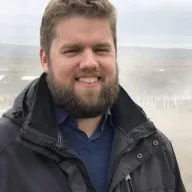
Actual Fluency, episode 37 with Leden Jurisich.
Welcome to the Actual Fluency Podcast, the podcast that gives you the tools and inspiration to learn languages faster and more efficiently. And now your host, Kris Broholm.
Alright everyone, welcome to the Actual Fluency Podcast. I am Kris Broholm as per usual. Today I've got a very special traveling episode for you today. So if you're interested like me in traveling and becoming a traveler, I've got just the episode for you. Today I've got Laden Jurisich on the show and him and I get into a lot of traveling discussions because he's been traveling to over 80 countries. So he's obviously gathered a lot of information and tips and tricks that he willingly shares with us today. And obviously I got him on the show because language learners are very often interested in traveling and I know that I myself will be traveling a lot next year and possibly in the in the many years to come. So I was really excited to pick Leden's brain on, you know, sort of travel tips and tricks, how to make it cheaper, where to stay, and all these kind of things that we all are wondering about. I also asked him where where his favorite spot in the world was and the answer was kind of surprising so, you know, listen out for that answer in in the interview in just a moment.
Before I leave you with the interview, I just wanted to give a little service announcement and that is that I'll be doing the first Actual Fluency language learner meetup and it's going to be in London and it's going to be very soon when you hear this. And if you hear this after the 10th of December, I'm afraid it's already too late. But if you want to check out other meetups by Actual Fluency, you can go to actualfluency.com/meetup. And I'm going to do one next summer in Athens, Greece. And uh, you know, there might be others along the way. So keep an eye out on that page. But for the London one, it's going to be on the 10th of December and we're going to meet at 6:00 p.m. at night, 6:00 p.m. at night. That was kind of a double whammy there, but it's at 6:00 p.m. and we're going to meet in Central London on a in a pub called Montague Pike. And it's not a great, you know, uh high-quality luxury pub and it it's actually part of the Wetherspoon's pub chain so anyone can afford a beer in there and it's when I lived in London, I used to go to Wetherspoons a lot. Uh they they're they're great kind of a cheap pub chain over there. So if you see a Wetherspoons, you know that you can get it a little bit cheaper. But we're going to meet up and we're going to talk about language learning, talk about what's going on and just practice some languages. If anyone is studying Russian or speaks Russian, you know, I'll be happy to talk to you a little bit with my poor skills or German or whatever, you know, just come and have fun. There's a few people confirmed already, but even if nobody shows up, I'm still going to be there. So, you know, don't worry about it. Uh but check out actualfluency.com/meetup and I'm looking forward to seeing you December 10th in London or maybe next summer in Athens. But for now, here is the interview with Leden Jurisich about traveling the world.
Alright everyone, welcome back to another episode of the Actual Fluency Podcast. On the show today, I've got a special guest. He's the host of the Travel Wisdom Podcast and he's visited over 80 countries. He's an American who's now living in Germany and he's learned the German language. And I welcome him now today. So Leden Jurisich, how are you doing today?
Very good. Danke schön.
Good now, good now. Um, yeah, we could of course have recorded this in in German and a lot of people actually ask me to do the podcast in multiple languages, but I feel like, you know, it's it's to get the maximum reach and, you know, I might occasionally do interesting small episodes in in other languages. I have a little Scandinavian thing recorded that should go out soon, but as for doing whole podcast in another language, I think other people have a better, maybe ability or or ideas for that. So for now we're just in English. But let's get started with a little bit, if you could go back just tell us a little bit about, you know, how did you start traveling? Because 80 countries must have taken you a while, right? And especially if you're from America. So take us back to when you started to say, you know, I want to see the world and how you got started doing it.
Well, if I start like that, I honestly I was a baby when I started. Um, so as we mentioned before before we started recording was uh my parents are actually from Czech Republic and Slovakia, Czechoslovakia. And so, you know, they emigrated to the US. I was born in the US, but uh they just always I I mean, we joke uh that it's Gypsy blood. But I guess actually in Slovakia that's not like a really good joke. So it's kind of an offensive thing. But um, but I mean we've always been traveling so actually like I I remember or I don't remember, but I guess when I was a baby, like we went to Hawaii and and then I remember or kind of remember uh and and definitely like saw video tapes and everything, like we had like a camper uh and we lived in Seattle uh on the Pacific side of of the US uh the very north. And we actually had a camper and I I don't know how long it was, like three, four or five months, but we went with this camper like on the back of a pickup truck, like a little, I don't know, like portable house and we went all the way through Mexico, Belize, Guatemala. I think we got to like the Nicaraguan border or something like that. And this is like, so I'm 25 right now and this is like, you know, 1993 or something like that. So the Contras were going around in Nicaragua and I get I mean my mom was telling me stories like, you know, they're just going along like 10 kilometers an hour, 5 kilometers an hour on this really bad bad road and they just see like a bunch of soldiers run across and they're just like, oh, okay.
Wow.
So, um, basically it started really early and um, but the the and so basically by the time I was 18, I would say I I traveled to like, I don't know, 15 countries. We uh, I we went visited uh the US or sorry, uh Slovakia a lot and then it's like, oh, when we're already there, might as well go to Croatia cuz it's only like a 6-hour drive or something like this.
Sure.
But um, really it it started this all really started with a bribe. And uh, my mom like so I was doing engineering school in the US. I do I was doing my bachelor's in mechanical engineering. And I was going to do the summer semester because we have three semesters over there. And my mom was like, no, that's too much. You shouldn't do that. You should like uh, go traveling or something like that. She's like, uh, I'll buy you a ticket wherever you want to go. Um, just as long as you don't do the semester, I'm like, okay. Not going to turn that down. And um, so I got one of my buddies, uh actually who I literally met like a month before and I'm like, hey dude, do you want to go to Russia with me? And uh, he's like, okay. And uh literally that that quickly, we did this really weird trip. We went to uh, Russia, Greece and like uh, England, Belgium, uh, France, like the Western Europe stuff. And uh, really liked it and then kind of discovered uh couch surfing in the process. And that really, that enabled things, you know, uh to to be able to travel. Basically, uh, you we had a host in in Russia, uh uh Russian uh English professor and so we, so we, you know, went and talked to his class and and uh the thing about Russian English classes is that the class is all girls and all Russian girls. So you know the quality's really high. And then at the end of it, um, he was basically saying like, oh, well, they go they want to go see Red Square. Who wants to go with? And like everybody raised their hands. So we have a picture actually, uh it's like 30 girls, uh like escorting us two guys and it's just like, it was like, I want to do this again.
But um, basically yeah, so so couch surfing enabled it. It basically brought the price down and and so you could uh uh travel a lot more. And so next year we did um, you know, kind of the Middle East and and I think we saw something like 12 countries over there. Uh next year, uh, we went to Africa. We went from uh Cairo to Johannesburg, so from the north to the south. Uh, over a period of about three months. Again, during the summer semester. And um, yeah, I saw like 17 countries over there and and uh, I mean, so so my friend actually who I was traveling with, he was all about like, we need to get the stamps in every country. So some of the countries are like literally like we spent two or three days there.
Sure, sure.
But uh, I mean, you know, I I feel like I got a pretty good, you know, I don't know, impression or something like that. So I I think if I could go there, I I kind of know what to expect. But uh, definitely after a while, after the Africa trip, I'm just like, man, I want to I want to focus longer and I want to um, you know, spend a significant portion of time, you know, at least a week, at least, you know, two weeks or something like that.
Sure.
And uh, so yeah, that that's pretty much it. Last year I went to Southeast Asia, you know, did that in about four or five months and and now I'm I'm I've been living in Germany for the last year and and um, you know, I'm doing my master's here and uh, it's great because everything's like literally a hop and a skip away. I I when I interviewed you for uh my podcast, we were talking about going to go to the Memorize uh Tukipana and um, Christmas party in London. And I'm just like, it's literally on a whim. And uh, yeah, it was like 100 euros or something like that, which as an American, it's still like it doesn't go into my head, you know, how cheap it is, you know, to to go travel around Europe. Because even in in June I went to Italy and it's like, oh, I have the school, I'll go to Italy. It's 80 euro flight. Oh, okay. But in the US if you're, if you go to Italy on a one week trip, it's like, man, what drugs is he dealing? Like, how does he have this money?
Yeah, yeah, of course. Of course. But once you get here into Europe, you know, you've you've got the benefits.
Exactly.
Well, that's amazing and and obviously a lot of the people who are listening to the show are are very interested in in travel as well and and and I'm sure that a lot of the things that language learning brings to the, let's say, just say the mind or the the just your your general attitude is about exploring other cultures, but you know, I I understand you took a trip, you know, a lot of people do that. But can you perhaps dive into what made you go back the next year? What was the emotion? Because, you know, I I guess a lot of people take trips particularly if if the parents are paying, right? But what made you sort of turn it into this recurring theme? What did you see and experience that was so fantastic, you just had to keep going?
Um, it was literally just a a different way of life. And let me clarify like that that uh first trip, it was only the plane ticket that was paid for and then and then, you know, my mom would pitch in like, oh, here's a few hundred dollars for your next trip because it's I like what you're doing. But otherwise it was me. But um, but I don't know. I just I just really liked it and I love talking to different people and and um, I guess maybe because I was raised in like a more of a multicultural thing. It wasn't just like, oh, you're American, you know, it's like, oh, I'm American, but I'm Slovakian and uh Czech and I've been to Europe a bunch and I've seen the different things. So it was it felt a little bit more like home. And um, and so that really just I don't know, resonated with me.
And uh, going to the to the language thing, it's just, it's kind of interesting to like feel like a kid. I mean, our first trip was Russia and I'm telling you, we had a mental breakdown the first day and and it was completely it might have been the lack of sleep for the last three days and and like uh, but but, you know, our our host picked us up and then dropped us off at Gorky Park. And uh, he's like, oh, I got to go run some things. You guys stay here. And, you know, we we were just like, oh my god, we're actually here. I can't believe it. And uh, we have the menu in front of us and we we had learned how to read Cyrillic. Um, but we didn't know what it meant.
Right.
It's like reading Turkish. It's like, okay, cool. But I don't know what that means, you know. Um, so, so we're just like, we have no idea. And and yeah, meanwhile these amazingly beautiful women are like rollerblading by us. And we're just completely I I don't know. It was just a new experience every day. And and uh, I I've, you know, I I interview people on my Travel Wisdom uh podcast and all the time the people are saying like, you know, you're really alive when you travel. And, you know, when you're when you're back at home, you might, you know, throw on your iPod and listen to some music or hopefully some podcasts, right?
Right.
And uh, um, you know, you go through routine and honestly, like if you think about it, like a week later, you don't remember that day. And and so literally the entire day it just flies by. But this way, you can remember every moment. You're like, I this one day felt like a week because just so much stuff happened and it was just so amazing and it literally made memories for the year. Um, so yeah, and and uh I mean kind of to focus more on the language stuff, it was absolutely fascinating cuz uh, so I speak Slovak as well and and uh, when I was there, man, the Russian would does not register at all. I was having such problems with it. And I could not speak. I couldn't do anything. And it literally wasn't until I got home that I'm just like, oh, you just changed the ha to a ga and then you have 80% of the language. It was unbelievable.
And and so the the language thing, um, I mean whenever whenever I went somewhere I I tried to learn at least a few phrases and and people love it. Especially, especially Turkish people. Somehow they're just like, they're they're happy that you do anything. And and so you say even even the 10 phrases that you have memorized, it's it's your best friends forever.
Right, for sure, for sure. Uh I think uh to throw in a bit of Danish uh the great playwrite uh not really playwrite but author Hans Christian Anderson said that to travel is to live. Which I think is a very poetic way of putting it, but it's just uh I guess you just discovered it from a very early age and and in a way got addicted to it and I guess a lot of people are sitting out there, well, that's nice. It sounds really great, but how do I do it? So, you know, if if I'm sitting here and I don't really have an amazing, you know, bank account or anything. I I don't have a lot of resources. Can I still go travel like you did? Is there any tricks and tips you can share with the listeners?
Yeah, for sure. Um, I mean, first of all, there's lots of travel hacking stuff. So, um, this is amazingly for the Americans, but I mean if you use a credit card or open a credit card and just transfer balances, blah, blah, blah, blah. There's ways to play around with it and you can literally get free flights and free international, free domestic flights, all this, which for my trips uh always ended up being about half the cost.
Oh, really?
Um, definitely couch surfing is great as well. Uh, for for a number of reasons. Um, and so the first one, of course, it's free or, you know, very close to free. Uh, you you basically you you find a you go on couch surfing and you're like, hey, I'm going to be in this city, uh, this is this day, this to this day and, you know, who's willing to host me. So basically you sleep on their couch or maybe if they have an extra bed or something like this. And that again, um, like while traveling that that can literally cut your costs in half. Um, and so it it's an amazing thing also because uh, instead of being in a a sterile hotel that that literally you could be anywhere, um, you are in a home of a person that actually lives like this way. And so it was amazing. I mean, you know, how how people live and then maybe they introduce you to their friends. Maybe you go to a party or something with them and and you just kind of experience life with them.
Um, a lot of times you can practice language with them actually. I mean, and and you can do it both ways. Of course, you can host and and surf. Um, but but I hosted actually, it was like a month ago. I hosted a a Polish and a Russian couple. And their English was so bad. And so I was just, you know, practicing my Polish and my Russian with them. And and it was it's an absolute amazing way. I mean, uh I I know that you're learning Russian and I'm sure there's some um, at least a few times a year a a Russian person or a couple or something going through. Uh and you can host them and and you have a live-in language tutor for like a few days or or whatever. And and uh, maybe you can get them to cook. I always get them to cook something nice for me.
Of course.
But um, I mean, otherwise, otherwise it's not that expensive. Like if you if you play your cards right, um, and depends how fast you move, of course. Like if you're in a place in a new place every day versus being in a new place like every every three days or a week or something like that. Uh when you move slower, it's cheaper, of course. But um, I mean, it's not that much money. Honestly, I mean, for for us in the the Western world, um, I would say for me, I've done it from anywhere from 600 uh to 1500 per month.
Right.
Um, so it's, I mean, if you're if you're like, oh, I'm going to go on a two, three month trip. It's like, okay, I need two or three thousand dollars, right? Uh depending on where you go, of course and and how you travel. But, you know, that's not so much. That's I think uh that's something people can save up for within a year, for example. And and uh, I mean, of course there's other tricks like uh, working from, you know, wherever you are, like remote remote working and and um, yeah.
Just one second. Yep. Sorry. All right, back now no more breaks. I just got interrupted by the doorbell. So I had to to leave the headset and uh and uh
It's uh, yeah.
Yeah, pizza, I had some pizza um, which I'll eat in a moment. But first we need to get back to this nice talk we were having about we were trying to find out how people can travel or get into traveling, I guess because it's like language learning. If you don't know anything about it, it might seem impossible or at least quite complicated and expensive. So we just shared some tips about, you know, how you can save money by staying with people. And you talked about, you know, travel hacking, which somebody which you can put into Google and you'll find these big travel hacking blogs, I'm sure. And but what about, do you have any other tips for for people how to get into traveling? Sort of, you know, what do you need to know about a region before you visit it? Do you do any research up front?
Um, yeah, I do I do uh.
Except the language of course, sorry. Just.
Yeah. Uh a big tip by the way, I've heard some problems is uh Brazil does not speak Spanish. It speaks Portuguese.
Right.
Right? So uh, I I've heard about some people like, oh, I've been learning Spanish for four years and to to study to go to Brazil and I'm just like, uh, sorry, bud.
Right.
But um, but generally uh, I I do a little bit of uh um, research before and and there's definitely like some favorite regions that I've always liked, but uh, it's just some general impressions. I would say it's less than uh 20 hours of of research before I go because uh I like to kind of keep it spontaneous as well. But definitely what I would recommend too is uh a Lonely Planet guide book and that's always helped for me. Um, I mean, sometimes sometimes people like consider it like a Bible and they're glued to it. And so you don't get actually like off the beaten track cuz you just go to the things that they recommend. Uh, but I've definitely I've I've missed some really cool things. Uh for example in Syria, I missed some really great ruins. Just cuz we didn't know about it. We didn't talk to the right people and and um, you know, we're I was just I'm I'm kicking myself now because well, it's going to be a few years before Syria is going to be open again, right? So um, but uh, but yeah, that's that's basically it.
And I mean, that's the thing is, honestly, it's not that big of a deal. It's it's it's so uh, I mean so many people do it. It's not that hard. It's it's like, it's like living where you are now, but somewhere else. That's pretty much it. And the hardest part is, you know, buying the ticket and hopping on that plane or or whatever. And then just committing yourself to it and um, you know, not giving up, not not going back.
Get it done.
Does that sound familiar?
Yeah, exactly. I was just about to say it's just like language learning and and, you know, it's funny that they're so so similar and you can do both at the same time. So that's.
Exactly. Yeah, exactly. I I would say uh, I mean, the traveling has the advantage that it it's a little bit harder to um, bail out. For example, I mean, if you're, you know, in Thailand or something like that and a flight back would be $1,000. It's a little bit harder to be like, I can't handle this. I'm going to I'm going to take the thousand dollar hit versus like language learning. It's like, oh, I just don't have time today, you know, it's it's like uh, I'm sorry, I can't do it. But uh, with the traveling, you know, you're committed and and that kind of helps out as well.
Right. Yeah. That's cool. And and do you have any kind of uh favorite regions? You obviously went to very different kind of places in the world. What what what kind of uh things uh pop into your mind?
Um, yeah, definitely. I mean, each I I kind of have, you know, an idea of of each of each place. And and there's definitely some that I liked, some that I didn't like. Uh, but when people ask, I mean, for you have to choose from 80 80 places, but the one that always comes up is former Soviet Georgia. Gruziya. And um, it's it's kind of, you know, south of Russia by Turkey, Armenia, uh, kind of close to Iran, uh, Black Sea area. A lot of people didn't know where it was. Even my family in Slovakia, which is like, you know, they should know and they're they're very educated. Uh they didn't know where it was. They're like, actually, where is it at again? But um, that was honestly my favorite place I've ever been to. Uh, we had planned to be there for five days and we stayed for five weeks.
So that kind of gives you an idea. But um, I mean, it's just it's just amazing. Like the scenery's so great. Like it has beaches, amazing mountains, river valleys, um, just really beautiful lush green scenery and it's just so diverse. It has its own language, which is not related to anything. I think your your listeners will be interested in this. It's not related to any other uh language. It's uh Basque and Georgian are the two languages that are not part of any other like language roots, you know, like the Romanian or like um, uh Latin root or Germanic root or or something like this. This is like its own separate like island, which is just fascinating to me. And so they have letters, um, like
They have like literally like if somebody's cutting your throat, that's the sound you make for like a letter. Oh, really?
like that. And so it's it's just absolutely crazy. And the script is crazy too. It looks like um, a Greek Omega, so it's just kind of like all loops. And it's it's as far as I know, it's not related to anything else that I've ever seen. It's just it's absolutely amazing for those reasons.
Right. So if people are looking for a little obscure language challenge then uh try it, is it what was it called?
Uh Georgia.
Georgian, okay.
Yeah, and uh, it's I mean, I'm sure if you learn it, which would be quite difficult. I mean, you you'd have a new window into almost 5 million people, which you know, isn't that much. But man, if you spoke Georgian and then you explain that you're not Georgian, I don't think you could make a better friend in your life. Like seriously, that person would be so just blown away. Like you learned Georgian.
Right.
That's unbelievable. But uh, I mean that that gets to my next point was uh the hospitality over there from the people is just absolutely amazing. I've literally, I mean, it's on par with Turkish hospitality because they're just like literally, um, if you want, I can tell you a story, but uh, it's it's really it's great and they they give you everything food, uh, wine, alcohol, which is gets on to my last point is that alcohol flows over there like crazy.
And uh, back then I drank more than I drank now, but uh, Jesus, it was unbelievable. It was just the the amount and the the cost, the the very very low cost of the the alcohol over there is just unparalleled. And everybody's always drinking and it just opens up so many like crazy doors of what you do and um, it was it was just unbelievable.
How do you stay kind of um, you know, if you're traveling for let's say months at a time, you're not on a holiday, you're not on a vacation anymore. How do you, how do you stay away from like just going to the bars every night and just, you know, eating poorly and, you know, not killing yourself basically.
That's definitely something I felt like, you know, after like two, three weeks you're like, this is not a vacation anymore. I'm not just relaxing. I mean, actually my travels are never like relaxing. Actually, I usually come home and, you know, sleep for a few days. But um, that's definitely that's definitely an issue I had, especially for the longer ones. Um, I mean, for me, the bars aren't interesting after like two days in a row. And uh, so I I can't really do that. I can't really go out more than three days a week, uh, you know, like to bars and, you know, get drunk. And uh, I'm sure that number will decrease as I get older.
But um, really a big thing for me has always been like staying active and and staying uh useful. So actually a big part of this could be language learning. Like if you're, if you're dedicating yourself, if I guess if you're like, for lack of a better word, working on on something, you know, doing something, uh I guess productive, then then that kind of keeps you sharp and and so it could be like language learning and uh or just basically reading or uh studying up on a topic or just, you know, formulating ideas. That that's kind of what I've been doing. And uh, for example, when I did the three months trip across Africa, like, I literally read like 12 books, you know, during that time cuz we were always in the car and so I was always reading and it was it was great. I mean, it was it was really, I really liked it for that reason.
Yeah, that sounds pretty cool. And and then you end up in in Germany of all places. What made you choose Germany to study in?
Uh, well I did an internship here two years ago at in Berlin, uh to see if I liked it or didn't like it cuz I I I had always heard about, you know, German engineering and I thought it was like good, you know, engineering, science place. Um, so but I I'd always heard like, oh, you know, like the Germans are really strict time-wise and it's like, you are two minutes late. Why are you two minutes late? There is no explanation for this. Absolute none. You cannot be two minutes late.
Wow, that's a good accent, actually.
But this is how I speak German actually.
It's pretty spot-on, I would say.
Thank you. But um, yeah, so so I I came and and did the internship and and actually it was I I didn't like it. Uh, I loved it. So I was just like literally counting I I had one more year left in my bachelor's so I had to, you know, finish that up. But I was literally counting down the days of the next year of when I would be able to come back and so I found this master's program here. It's in English. Um, so, you know, unfortunately my German hasn't progressed as quickly as as I thought it would. But uh, you know, it's it's been great and I absolutely love it. And it's been uh again, I I have I have family here in Slovakia. So it's literally like uh, you know, a few hour bus ride. Uh, I go to Prague, you know, once a month or something like this. And it's great uh cuz I'm in I'm in Dresden, which is on the the east the Eastern Bloc formerly behind the the Iron Curtain. But um, yeah, so it's been great to see my, you know, extended family and aunts, uncles, cousins and all this and I've seen them pretty often like every three months or something like this and it's been it's been great. And also to explore Europe.
Uh, there's other financial incentives by the way as well. Uh, um, you know, it's it's like 50 times cheaper than the US to do my masters here.
Oh, really?
And yeah, exactly. I mean, in the US a a master's costs like $50,000 and a lot of times you get like sponsorship from a lab or something like this or Sure. Um, yeah, something like this, but uh, you know, I would have to be working or be writing, you know, something or do presentations. And here, you know, it's basically $1,000 for the two years uh or $1,500 or something like this. And it's great. I mean, it's and then overall it's cheaper. The beer's cheaper, the the food's a little bit more expensive. But um, basically the two things that I spend the most money on is alcohol and uh traveling. It's like half the price.
Yeah, you're in the perfect place because you can travel to anywhere from you the middle of Europe. So.
Yeah, exactly.
Awesome, awesome. And of course the German language, did you have any kind of uh experience with it before you went to your um training program or did you did you didn't you learn it until you went back for the for the full master's?
Uh no, I had I had learned uh before. Actually I did a year of German when I was like 16 in high school. Um, but I later found out that that was absolutely crap. That was that taught me nothing. Absolutely nothing. Like looking back, I don't think I even learned past tense, which is just like, how can you exist without knowing past tense?
That that's true. And I've kind of come to believe that the classroom learning is absolutely the wrong way to do it. So I was doing Rosetta Stone when I was doing uh the internship in um, in in Berlin. So I was there for two months and I was doing pretty intensive uh Rosetta well, pretty intensive at that time. It was like, I don't know, 6 to 10 hours a week. Um, but I I I later found out, I mean, it's good and it's an expensive program though. Like it can cost you like $500 to $800 for the for the entire program. Unless, you know, some other ways to get it for free, right? Um, so, so I I did that and uh basically, yeah, but it really wasn't until I I came to Germany and I was just I I was just experimenting with a bunch of different methods. Same way with you, like I'm a big fan of the Tim Ferriss, you know, methods and the Pareto's principle, 80/20 rule and everything like this. And so I was I was really trying to maximize my hourly output. And uh, that was it was quite, it was quite difficult. I I tried a lot of things. I feel like I wasted a lot of time. I did a I did a class, um, and it met, you know, I think five hours a week or something like that. And it did absolutely nothing. They focused on grammar way too much and and I just I didn't understand it. I literally it felt like I got maybe five hours worth of uh value out of it or five hours worth of learning out of it, even though I was there for like 60 to 100 hours over the course of the semester. And uh, so that didn't work. I thought I'd just like, um, oh shoot, what's the word? Uh, diffusion or or just like uh, yeah, I that that just me being here, I would I would pick it up. Um, oh, man, I can't ah. Anyways, whatever. I can't think of the word. Um, but but just uh, osmosis, sorry. Just by osmosis, I'd be uh, you know, picking up the language just by being here and all this. Uh, but that that really wasn't working. It turns out there's a lot more to it. And so literally, you know, my mom came and my mom and my brother came visit after like three, four months and and they were laughing at me like, you know, nothing. You can barely speak. You don't even ask, you can't even uh refill your credit at, you know, the um, the phone store. Like you you don't even know how to ask for that. Like, how how are you, you know, doing it here?
So after a while, you know, I started watching shows. That didn't really help that much. But um, basically the thing that helped the most for me was Duolingo. And uh and Memorize as well. I I know you're a fan of of that. I actually I started out with Memorize and that was great. That's a that's probably the best vocabulary tool. Um, but the thing was my my German vocabulary was pretty good. Um, but I didn't really know so much like I think they're they're uh adverbs. I didn't really know how to use that. And honestly, it was the the grammar. Like I finally realized I'm just like, man, I'm going to have to learn the grammar. It's just no avoiding it in this language. Like maybe Spanish you can get around with it, you know, and people will understand you, but people were not understanding me at all. Like if I just threw out a bunch of words, they just looked at me and they just didn't comprehend. They they would just switch to English. Uh, which frustrated me as well. But um, yeah, so so Memorize was great. Uh, but the Duolingo was absolutely amazing. And and uh, I I remember we were when we were talking uh last time, I was talking about uh you have a point system in in Duolingo and and you know, I was I was doing pretty good. I was doing like 150 points a day and I was pretty proud of myself. And then uh I did a competition with my girlfriend and uh, you know, whoever can do more the most most points in one week. And so she was doing easier language Spanish. So it was a little bit more difficult for me, but um, I she she at Friday night and I I decided not to go out because it was the last day of the competition. I was like, I need to beat her. I'm 600 points behind. I I can't believe this. She's literally like tripled my score. This is unbelievable. So I sat down literally like six hours, eight hours and just did it cuz I could not lose. And uh, yeah, I I pumped out like 650 points that day, which, you know, if you remember, that was like, that's like four times.
It's a lot, yeah.
That's it's a lot, you know, and it's it's quite I it was I was quite impressed. Unfortunately, she still won.
It's a motivational top tip, nonetheless, that uh have have competitions. If if not with yourself, then at least with uh, you know, somebody else. It it helps a lot.
Absolutely. So.
So you you got up to and now obviously living in the country is a huge advantage and you you use Duolingo and and Memorize to kind of start off and now you've just sort of grown using native material, talking to people. And now you're in a pretty comfortable spot, right?
Yeah, yeah, I'm uh I'm in a really comfortable spot. Actually last week uh last weekend I went to a a conference uh and it was held all in German actually. Um, and I I was doing pretty good like if I I mean, I had to concentrate it on a little bit and and so it took energy. But but like if somebody was speaking up on stage, it wasn't a problem. Like uh as long as I focused, I understood everything that they said. Um, but the thing was the problem was when people were talking between each other, like during the I guess the networking times, that was much more difficult.
They speak faster and they're probably a little bit more colloquial and.
Exactly, exactly. But I mean, I would say overall my uh my German's quite good and um, it's definitely it's definitely improved. And basically since I started the Duolingo, which was like three months ago, it's literally doubled or even tripled, you know, in in my ability to speak and my ability to understand. And now every week it it really feels like a new window or a new lights going on in a house. It's just like, oh, I didn't know that was there. And I understand it now. This is amazing. And that's such a rewarding experience. Uh I I think I think maybe you or or somebody some language learning uh learning website uh posted like language learning is has the same uh pathways and is is as addictive as doing drugs. So I've definitely I've definitely felt that and and so now with the Duolingo actually, uh I've kind of like become addicted to it. I guess the best addiction that you can have it's, you know, it's free and, you know, you come out ahead on top after it.
And so now, you know, during that competition with my girlfriend, I was I did 600 points. And now I do 600 points four times a week, you know. So literally I finished the entire uh Duolingo Spanish tree in like 10 days or something like that, which is just absolutely mind-blowing for me. And uh I I don't know how much I I took away or how much I like gathered from it, but I I have the basics and when I come revisit it, you know, every few days over the next few months, I think that'll definitely help and and uh uh I I really think it'll just warp speed, light speed, you know, and into the language learning stuff. So that's been great. I think that's really maximized my per hour output of uh language learning.
Awesome. And of course you're uh along the way, you know, acquiring a lot of uh wisdom. And as I mentioned in the introduction, you have started your own Travel Wisdom podcast, which is the name of it and also the URL. And can you just give a a short kind of like what is behind Travel Wisdom the kind of the title and what why did you decide to do a travel podcast when there's, you know, hundreds of them on the uh marketplace?
Yeah, sure. Great. Thanks. Um, yeah, I did uh I I have the Travel Wisdom podcast, which is basically uh the message or the thesis, the the message I want to promote is that traveling speeds up the wisdom that you accumulate. So versus being at home or um, and traveling is, you know, you become much more wise. And this is something I kind of or also I I as I've talked to more and more guests, it's uh, it's also like traveling can make you more successful in life. So even even after you're done traveling, um, that that effect, whatever you learn and everything like this, in that time, in that few weeks or months or whatever, however long you were traveling, uh, goes on to your into your later life and it just absolutely helps it out.
Um, I I kind of came up with this idea, um, while because people always told me like, you know, I'm I'm 25, but they're like, wow, when you talk, it's just it's unbelievable some of the stories you talk about and and I would say you're much older, which I I took as a a compliment. I don't know if I should. Um, but uh, yeah, and people are always like, oh, you've done so many experiences, uh, you should write a book. And I'm like, I don't want to write a book. I don't like writing. I like talking though and I I find that much easier. Um, so, so yeah, I I decided to do a podcast. I also consume an insane amount of podcasts every week. Actually, now that I've had this podcast app where I can speed up the the podcasts and listen to it at uh double speed and everything like this. Now I listen to anywhere from 20 to 50 hours of podcasts per week.
Oh, cool. What's the name of the app just in case anyone wanted to uh check it out?
Um, it's on uh, actually my phone's not here right now. Um, it's Podcast Addict, I believe. And it's it's great. I mean, you know, you download all the the podcasts right there and and uh, yeah, it's great.
A a little trick as well. I mean, I have it on my I have it on my Galaxy, you know, Samsung Galaxy. And um, you know, because it doesn't take up so many batteries, but because I use the phone for so many things, I I actually bought a bunch of extra batteries and then like external battery chargers. So I literally carry like two or three batteries with me. And it's it's great cuz then when it goes down to like 0%, you don't have to like be tied to a wall, tied to a plug and be like, oh, I need to charge this. You can literally click, click, click, boom, done and you you got 100% again. So uh that's a little tip. But but yeah, that's it's it's an amazing app and and um, you know, just a ton of ton of uh podcasts and and anytime I find a good one uh from a guest, I I literally download it right away. So I hope your listeners are doing the same thing.
Well, I I hope they'll go check it out because obviously, uh I assume that a lot of them are interested in in traveling. They're sitting out there and and there's a lot of interesting topics and one of the things that I immediately noticed with the uh episodes you've released so far is that kind of the topics that you talk about is very, you know, it's it's there's a lot of difference, a lot of variety. It's not just, oh, how do I find cheap hotels or nice beaches or something. You know, it's it's quite philosophical at times. And I think people will appreciate that as an addition to uh what they're already consuming now.
Wow, thank you. That's that's great. I I love this word philosophical applied to my podcast.
No problem. You should put it in the in your tag line.
I like it, yeah. Um, but yeah, I mean, we have tons of different we have a huge variety of guests and basically anybody that interests me and that I that I think uh I guess is worthy to be on there. Uh I actually had you on so you were worthy. I've had uh best-selling authors, millionaires, um, you know, recurring income specialists, basically life experts, dating coaches, um, just absolutely anybody that interests me and and, you know, if there's an angle from traveling, uh um, it's it's absolutely there. Podcasters, a bunch of them. And, you know, actually tonight, uh I'm going to be interviewing uh Chris Guillibeau, which I'm pretty excited about. And so uh that's probably not going to be published for some time. But just just uh it's amazing.
Stay updated with the travelwisdompodcast.com and uh you'll you'll see it. Well, thank you so much for coming onto the show and and and sharing some of this travel love with the listeners. I I I know that I personally want to travel a lot in the in the next uh decade or so. So for me, it's also a huge kind of uh, you know, opportunity to get some insider tips from from travelers such as yourself who've been kind of uh around the world uh so to speak. I guess uh, you know, 80 countries kind of counts as that. So um, so thank you so much for coming on and I I wish you all the best with the podcast and I'll see you soon in London.
Thank you. Yeah, perfect. See you in London. Bye.
Bye.
Thank you for listening to the Actual Fluency Podcast. For more information, be sure to check out actualfluency.com. Until next time, enjoy learning and have a great day.