Connor Grooms: Spanish in a month and Baselang
Kris Broholm interviews Conor Grooms about his documentary, "Spanish in One Month," which details rapid language acquisition. They discuss strategies for learning a language quickly and delve into Baselang, a platform for language learning.
November 23, 2015 · 48 min
EP 76: Connor Grooms: Spanish in a month and Baselang
0:00 / 47:44
Guest
Connor Grooms
What You'll Hear
- 1 Kris's Health and Learning Mindset ▶ 0:00
- 2 London Meetup, Webinar, and Giveaway! ▶ 4:00
- 3 Travel and Digital Nomad Entrepreneurship ▶ 8:00
- 4 Unlimited Spanish Tutoring for $100/Month ▶ 15:00
- 5 The One-Month Spanish Challenge Documentary ▶ 20:00
- 6 Daily Immersion: Study Routine, Overcoming Setbacks ▶ 27:00
- 7 Personalized Learning, Motivation, Future Language Goals ▶ 36:00
- 8 Giveaway Reminder and Episode Wrap-up ▶ 43:00
Links Mentioned
Questions Covered in the Show
Why did Conor Grooms decide to learn Spanish in one month?- 6m
What is Baselang?- 14m
What methods did Conor Grooms use to learn Spanish in one month?- 22m
What challenges did Conor Grooms face while learning Spanish in a month?- 30m
How did Conor Grooms learn specific regional Spanish (Colombian)?- 39m
Related Episodes
See all →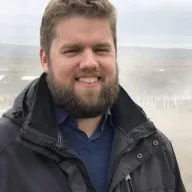
Season three, episode four. Conor Grooms, Spanish in a month.
This is the actual fluency podcast, helping you become a better language learner by providing motivating weekly inspiration, as well as top tips and tricks from expert guests. And now, your host, Kris Broholm.
Hello everyone and welcome to the fourth episode of the third series of the Actual Fluency Podcast. I'm your host as always, Kris Broholm. Today, um, kind of addressing the elephant in the room. Yes, I am terribly sick. I've got a serious case of the flu. Actually it's not that serious, but it's just really bad at the moment. And this caused the episode to be delayed a little bit. Excuse me. And, um, actually I feel worse now than yesterday when the episode was actually supposed to go out. So it was actually a stupid idea. I should have just recorded on Sunday as per usual. And of course it's my mistake.
But the reason that I wanted to record one anyway with my terrible, terrible, sick, sickly voice was, I think there's a message here somewhere. First of all, there's the idea of preparation, right? And this is goes for everything. Language learning, any kind of venture you do. If you prepare well, anything can happen. You know, if I had recorded these things weeks ago, I could have just scheduled them and I could have just been fine. But instead, I'm recording this now when I feel like crap. And, you know, that's my fault. And looking back, I should have done that. The other thing is, you know, we tend to get bogged down by things that influence us negatively. Like some people have trouble keeping learning if they are sick. Like that's, that's a fact, right? When you, when you get sick, you can't focus as much, you can't really do as much. So the the idea is that you often just give up and you just take a long break from learning or again, doing anything that you like to do. So I thought, you know, what kind of example would I be if I just gave up podcasting just because I was sick, or at least, you know, for a week or so. And obviously, notwithstanding serious illnesses and stuff, I think the message is clear that the show must go on. You know, just because you've got a cold, that's, you can't really excuse that. And it kind of goes with all the other excuses that people have for not doing the things they should be doing. And these are things that they know they should be doing. You know, I know I should put out the podcast because that's my, that's my must, you know. So what are your musts? Must you learn, uh, one chapter every day? Do you have to go through a thousand, sorry, not a thousand, that would be quite ambitious, but do you have to go through, you know, 25 flash cards a day? What is your must? And do it no matter what. I mean, there are really no excuses. I guess that's the the point that I was trying to make here and, and I hope that that succeeded with my sickness here.
So, apologies for the delay. And today I'm going to be talking to Conor Grooms. And Conor caught my attention when he posted about his documentary, Spanish in One Month. And I'm always interested when people make kind of extreme language learning projects. So it immediately caught my attention. And in the interview, we get into, you know, learning a language quickly in a month, and also his documentary that shows the entire thing. I've actually seen the film and it's quite a good one. I, I really enjoy watching kind of the behind the scenes I suppose, and how people really acquire language quickly. And, um, other than that, we also get into a little bit of the giveaway that he's doing. And if you want to join that giveaway, which is for a free return flight to anywhere in the world, uh, you can join that giveaway on actualfluency.com/giveaway.
And just before I get into the interview as well, I just wanted to mention a few other things. Uh, I'll be in London for the next few weeks. This is in the end of November, 2015, if you're listening in the future. Unfortunately, this no longer applies. But if you are out there in London, well, come say hi, you know, write me a message, let's go out for a coffee. And if anything else fails, then I will be having a little Actual Fluency meetup on the 3rd of December, and so far we'll be about eight people. So it'd be cool if you could join us, you know, just come and chat about learning languages, um, anything you'd like, really. We can try and practice some as well if you want. It's not the main objective. It's just a social gathering. We'll have a drink and talk and have some fun. So you can, uh, you can find that event on the actual Facebook page. The actual fluency Facebook page, I should say. actualfluency.com/facebook.
And before I let you into this interview, um, just wanted, one last quick announcement. On the 27th of November, 2015, which is in a few days if you hear this when it comes out, I will be hosting a little webinar with Bryan Kwong from the Add One Challenge. And we just recently put out a little video talking about what the Add One Challenge is. I'm sure if you guys have heard about it. But what I really wanted to do with this webinar with Bryan is to really talk about motivation, because that's essentially what the Add One Challenge is, it's a motivational community. And what I want to do is, you know, let Bryan give all his secrets away, basically. You know, how do we gain more motivation for language learning, and how do we improve our motivation, and so on and so forth. So I hope you'll join me and Bryan for that free webinar on the 27th. It's in the afternoon. You can register your spot now at actualfluency.com/addone. So that's enough with the admin for now, and, uh, I need to give my voice a rest as well. I hope you enjoy this interview with Conor Grooms, and I'll see you in the next one.
You've been traveling the world, the world for a year and a half, and, and sort of doing a almost a like a Tim Ferriss experience, I would say, you know, trying to, uh, master skills really quickly.
That's not the first time I've been compared.
Well, there you go. I, I know some of the audience will have heard of Tim, particularly in regards to language, as he's been doing the one-week challenges and stuff like that. And, and then you got to learning Spanish in one month. And you've made a documentary about that, which we'll talk about in a second. But, let's first get into the, the core. How did you, or when did you decide that you were going to learn Spanish in a month? Like, how did that idea arise?
Um, learn Spanish or learn it in a month? Because I think those are two separate questions.
Well, you can answer them in, in, in the sequence you prefer.
Okay. Um, well, the short answer is, I actually had no interest in Spanish for pretty much all my life until about a month before I decided to move here to Medellin in Colombia. And it's really necessary here, A. And B, I've always had an interest in language learning because I'm, I like learning things quickly, and I, I like, I know everything that there is to know about language learning or I, I did without having actually learned a language. So I was like, really into it, but I had never actually done it. So I'm like, okay, I gotta actually do it this time. Um, you know, because I had all this motivation doing, could do it, uh, with Indonesian when I went to Bali, and, and then everyone spoke a little bit of English and it just fell by the wayside. So I'm sure everyone can relate to that. But it's really necessary here. Only 4% of the population in Colombia speaks English. So it's not like Asia or, you know, Europe where everyone speaks at least a little bit. They either speak nothing or they, their English is really good.
Um, and then the one-month part is, I'm actually a lot better doing things in a short period of time than I am doing it over a long period of time. So, if I look at like my study habits over the last three months, three and a half months after the challenge ended, I'm lucky if I get in like 30 minutes a day, maybe, maybe even less of like focused study after that. So what I'm really good at is going all out on one thing for a set period of time, um, versus like getting a little bit in each day. So it's actually easier for me, at least mentally, to go at it in a one-month sprint than, uh, than it was, you know, to do it over a longer period of time.
Cool. And, yeah, I totally understand. What, what made you travel the world and how did you end up in Colombia?
Um, Colombia specifically, I know I had some friends who were here telling me it was great. I'd never been to South America, so I was, I was curious. Um, but travel in general is, I grew up doing it. So my family traveled a lot when I was a kid. Um, when I was six, my father, uh, worked for a company in, in Athens in Greece, so I lived there for two years. Um, and then when I was 10, um, my family, you know, pretty much, you know, stopped everything and, you know, backpacked around the world for a year. And, um, sort of put everything on hold to, to do that. And I was raised traveling. So and both my parents are entrepreneurs, so I don't, I don't think it's quite, uh, a surprise that, you know, I am where I am at this point.
Right. But it's, it's pretty cool though. I mean, uh, a lot of people, I'm sure, are, are very interested in traveling and, and want to do more of it, but maybe there's some, some blocks there financially or time or...
Right. I spend, I spend significantly less money per month living in the places I live than I ever would in the United States or, or, or Europe. So, um, I, I think probably Benny would agree with me on this, but I don't think travel is this expensive elusive thing that people think it is. If you're, if you're taking vacations or you're moving around a lot, absolutely, because like flights and everything are expensive. But if you're just, you know, living, like if you want to come live in Medellin, you can get by at a thousand to fifteen hundred a month. I probably spend seven to seventeen fifty. And there's nothing that I sort of yearn for. You have very, very good lifestyle for that. And, you know, if you're in a big US city and you've got a tiny little apartment and you have to cook all of your meals and what not.
Yeah, I, I think the main block I suppose is people don't have flexible income in general, so they need to find some kind of job. But with all the teaching and, and actually, you know, plugging the podcast a little bit, I've done lots of episodes with people who are making an income through languages somehow. Some people do, well, languages and programming languages as well. But, um, there's definitely teaching, you know, teaching online programming. You can be entrepreneurial, you know, you can start your own company doing something web 2.0. Is it 3.0? Have we made it to 3.0 yet? I don't know, but.
Right.
I don't even know.
Yeah.
It seems like we should have made it to 3.0 by now, at least two and a half. But, you know, you can start some kind of service company online or some kind of...
Exactly. And that's, that's what I have.
Right. Yeah. And that we'll get into as well in a moment. Actually, well, why don't we just introduce that now since we're on the topic? Because I'm, I'm sure like I just said, a lot of people out there are interested in how they can liberate themselves from the iron clamp of the, you know. But how did you, first of all, describe your business and, or, um, well, business. I like to use business for anything nowadays. They say like, oh, I'm a podcaster and this is my business. I, I really hate that. It's like, but I suppose yours is truly a business, so it makes sense.
Right.
Yeah. Let us know.
So, for the last, I don't know, a year and a half I guess since I left, um, I support myself by doing web design for, uh, both startups, you know, for software, and then, you know, personal brand sites. Uh, that's all coming to an end soon as I launch a company associated with with Spanish called Baselang. Um, but yeah, I think the smartest thing for people to do if they want to go sort of the freelancer route, which is really the easiest way to get started, is build up a client base wherever they're living on the side, and then once they have enough referrals coming in, then you don't have to be in any particular place.
Yeah, I think that's really cool. What, what made you want to start a, a language learning, uh, start up with Spanish? I mean, there's a lot of Spanish learning materials out there, right? What, what did you see your? What kind of openings did you see or weaknesses in the market did you see?
There are. Um, so I actually had no intentions of starting this sort of company, uh, until I just before I started it.
What was that? That makes sense.
When, when I went into the documentary actually, I was just planning on, you know, raising a little bit of sponsorship to cover my costs and the time for my business. And, um, afterwards, I'm like, wait a second, you know, it'd probably be smarter to just release a product. I'll probably make more money that way. And then after that, I talked to, so actually this is a crazy coincidence, but my tutor for the month, he, you know, did classes with me as therapy to get away from the office, because he has a similar business teaching English to Spanish speakers, so the same business model. So we sat down and was like, and he has, um, connections for teachers, and he's like, look, this is what we can do. And, and I sat down, I ran the numbers, I thought about it, I'm like, yes, absolutely. So that's how sort of Baselang was born. We've started working on it, and it will go live on January 1st.
Cool. And, can you give us a hint as to what it will do or what it will be about?
Oh, yeah. I don't know. Oh.
Very cryptic there.
Uh, it's unlimited Spanish tutoring with one-on-one tutoring with professional teachers for 100 bucks a month. And that also includes, you know, we'll have a Android iOS app for training your vocabulary. You know, and we'll have, you know, decks for each lesson that goes along with the curriculum. Uh, we'll have specialized curriculums for like test prep or for like a business setting if that's what you need. Um, but the main thing is the tutoring. And there's also, uh, sort of chat support. So, if you're just walking around, you're like, uh, I forgot how to say this. You say how do I say this and you send it to the app and we'll get back to it within a couple of minutes with the, the Spanish and they'll record their voice saying it, so you can hear exactly how it's said as well.
Wow, that's pretty cool. Um, you say unlimited, there must be some kind of practical...
There's, there's no, it's no caveats. So you could literally use it from the, the time in the morning when we open till 1:00 AM Eastern US time when we close. Uh, the reality is most people won't do that. And...
Sure.
Um, so, uh, because we're hiring in Latin America, um, and because of that, you know, we can make it work. Um, we're still not sure what the sort of the margins will be, but it's, it's tight but it's close enough that we can actually make a good business out of it.
Yeah, and I mean you, first you have to start it, right? And then you can, you can adjust the numbers and you can, you can employ all sorts of things later, but I mean just starting it is, is cool. And, you know, there's, what I'd like to point out to the, to the people listening as well is, is your idea it doesn't have to be, you know, revolutionary. You don't have to reinvent flashcards or something. You know, you can, you can combine or you can improve or you can, I mean, yeah, that's the thing about entrepreneurship. You can, you don't have to create the wheel again. You can really be quite simplistic and, uh, you will be surprised. So, so, yeah.
Exactly.
But it's pretty cool.
Honestly, I just took all of the methods that I used when I was learning Spanish. Um, you know, all of the things we know work, you know, speak to a native a lot, do a little bit of SRS training, you know, pronunciation training with like, uh, phonetics and seeing like the, like the AB, you know, sound and recording yourself and seeing, you know, how is that different from a native? Um, we're just taking all the stuff we already know works and getting rid of all the like excessive stuff and putting that in one product. And then making it unlimited, which is the, the big value add is definitely the tutoring.
Cool. So, uh, go check out the, what is it, BaseLang in, uh, in January.
Yeah, baselang.com.
Awesome. Cool. And, uh, let's make a transition now into the, uh, the Spanish challenge and the, uh, the documentary about it as well.
Awesome.
Um, because you just, uh, you seg, segued nicely there. Um, by talking about your favorite methods, but were you inspired a bit by, by what Benny Lewis has been doing with his three months of really intense studies or did you just sit down and come up with your own entire this is what I'm going to do for the month to, to use the month as, as good as possible?
Um, I definitely, I actually consulted Benny right in the beginning. So there's three experts in, uh, uh, experts that I'm consulting in, in the documentary. There's Benny, who's the first guy that I talked to. Uh, then there's Idah Sa Nez of the Mimic Method. Uh, so, uh, I used him for pronunciation. And then, uh, Bryan Kwong of the Add One Challenge, I'm sure your audience will be familiar with him. Um, and I had accountability with him. Um, but yeah, I definitely align pretty strongly with, with how Benny looks at things as far as the, the whole communication first, perfection later. Um, so I certainly make mistakes even the last, you know, conversation. Um, but I was able to communicate, you know, just fine on a non-basic, I mean, we were talking, people will see when the film comes out. Uh, on December 1st. Um, but the last conversation, we're talking about vacations in Panama and getting lost. So it's not, uh, so it's, it's not house or weather. But, you know, that said, it's not perfect. So it's the whole communication first thing and that really just comes down to being willing to make tons of mistakes.
Right. Yeah, the, the make lots of mistakes is a, is a recurring theme and, and one of Benny's favorites, I know, yeah. 200 mistakes a day.
Yeah.
He says, I don't know, but. It's pretty cool. So what, when did you decide to, uh, do the documentary? You know, it must be quite a lot of work to learn a language in a month just to start with, whilst also having to record yourself doing it.
Yeah.
Yeah.
So, um, this isn't the first time I've done a one-month challenge. I actually did one last November when I was in, in Chiang Mai in Thailand where I gained, uh, 26 pounds of muscle in a month. Um, and I wrote a book about that. So I'm like, okay, well, if I'm going to do another challenge, I might as well document it in some way. And I've got a budding interest in, you know, filmmaking. So I'm like, what better to do it with than, than this right now? Um, it added a little bit of work, uh, during the challenge. The, the biggest work load with the documentary, honestly, is, is the editing afterwards.
The post-production and, yeah, making, turning all the random clips into something coherent.
Exactly. Exactly. Okay, I've got, you know, I've got 100 hours of footage now. What do I do with it? How do I make this 30 minutes?
Right. Yeah, it must be an amazing challenge. I, I, you know, I have absolutely zero talent or knowledge in, in filmmaking, but I wouldn't even know where to start, you know.
Yeah.
But 100 hours, yeah, that's a lot. Um, all right. Well, let's get into the, let's get down to the the lower level of this challenge and say, you know, what did you?
What do you do?
What did you do? Yeah.
Each day. So, every day, I wake up, well, so my tutor arrives at my apartment at 10:00 AM every day. And we have three hours first thing in the morning. So I'm usually like sliding myself out of bed a few minutes before he arrives. Um, and, you know, having a coffee. And then we sit down and there's three hours of tutoring. That's the first thing I do with my day. Um, and something interesting I found is after that, I'm almost always exhausted.
Yeah.
Um, which, which I guess wouldn't be surprising to anyone who's tried languages before, but for me, it was like, huh, I, I knew I'd be mentally exhausted, but I didn't think I'd be physically so tired.
Um, and then the rest of the day, I would, you know, I'd go out, I'd live normal life. And at some point throughout the rest of the day, I would do two hours of the pronunciation training. Um, with, uh, Edas's program. Uh, the Mimic Method for with songs and, and just repeating syllables, recording myself, what not and, and tweaking. I think that was extremely helpful, um, primarily honestly for, uh, understanding people. Not so much for my own pronunciation, although that definitely improved, but, uh, for actually understanding people when they like slurred everything together. I'm like, oh, okay, I guess I know what that means. Um, and then, uh, I would do some Anki training. So once around halfway through, I think I stopped doing pronunciation because that was no longer my weak point. And I just focused on pronunciation. I would do an hour, you know, sitting, you know, my phone on Anki going, wrong, wrong, right, right, right, wrong, right, wrong for, you know, an hour. And, um, and obviously I was living in, in Medellin. I still am. Um, so every day interactions, taxi drivers, you know, ordering food, uh, you know, local friends.
Getting to use it as much as possible, whenever possible.
Exactly. Exactly.
Cool. That's, uh, that's what I always, uh, I like to hear this kind of, you know, breakdown of the time spent because a lot of people look at, particularly Benny, Benny has been criticized a lot for this, you know, how is it possible to learn a language in three months? I haven't learned it in a year and a half. But when he does those challenges, that's his life, that's his job. You know, he wakes up in the morning, he has several hours of tutoring. Throughout the day there's Anki or Memrise, whatever he uses now. And they just don't see that it's maybe a six to eight hour a day work.
Right.
Well, not quite that much. I don't think I could handle it, but I think the hours was four to six hours a day.
Oh.
Right. But even four hours a day, I'm just guessing, but it was around 150 hours. Right.
Yeah.
Yeah.
And, and it's interesting is I find that number, you know, with the beta students I have with, with Baselang, is, uh, very consistent, uh, around that number to the level that I got to by the end of the month, sort of a, you know, B1, B2, probably like an advanced B1 level. So, functionally conversational. Um, whether someone is learning it over one month, you know, if you're crazy like me, Um, or three months or six months. Um, but that amount of time, uh, in total, you know, with these methods of actually speaking with the tutor and, and doing the Anki training.
Right. It's about counting the hours, not the, the, the years or months or whatever, you know.
Exactly.
So that's, that's the one, one caveat I, I always like to put out there because because people genuinely do sometimes, uh, crit, well, they just don't believe it. They're like, surely he's been practicing before. I mean, he must have had a Spanish tutor for years or something. And but in fact, anything's possible, you know, if you put a lot of hours into it over a short period of time, you're just going to improve so rapidly. But obviously, a lot of people don't have that time, so that's understandable as well, but.
Right.
Yeah.
I remember on my flight here from, from Miami, um, the, uh, everyone's Colombian on the flight. I was the only, the only gringo. And they're like asking me to, to change seats so they could sit with their family. And, um, I'm just like, uh, uh, uh, aqui. Cause I, I only knew like five words. Um, and I just like blank stare and they're just like, yeah, and we just pointed. Um, it was the same thing like, uh, a couple days into being here trying to order a sandwich, uh, at a subway and just like, uh, that. And, uh, it's really painful. That's actually one of the best motivations if you're actually in the countries because you need it so much. Um, yeah.
Yeah, it's so true. I mean, in Europe, like you say, the, the one of the problems with learning a language is that everyone speaks English. I mean, I'm in Hungary, and it's not a it's not a country with great English skills, it's not a country that's known for speaking English in general. But because I live in Budapest in the center, you know, everyone has had some kind of interaction with tourists and they will know enough where I, I could honestly, and I think anyone actually could live in Budapest with just English. No problem. You don't have to learn Hungarian for sure. And that puts a that puts the pressure off actually learning it. So for for I can totally see how you were more motivated by learning it when that was your only option. I mean, if you didn't learn it, there was no communication, right?
Right.
Exactly. Yeah. That works, uh, in your favor, I think, a lot of the time.
Absolutely.
So what, what kind of struggles or challenges did you face doing the month? I mean, it sounds all good that you did, you know, tutoring and then Anki and it sounds like it went well, but did you have any moments where you struggled or, you know, had some setbacks?
Absolutely. Um, there was a lot of times, so there's you have up and down days. I'm sure you're, you're aware of this. So some days you feel like your Hungarian is amazing and then the next day you're like, I can't say anything. So I had that all the time where I would have days where I was having a conversation and then the next day I'd be like, he would come in and we would start the class and I couldn't even understand anything he was saying. Um, you know, several different points during the challenge, I'm like, you know, Adrian, I feel like I am where I was a week ago. And, and we forget this because we're, we're in our own head and we we're doing it ourselves and he's like, no, you're like, way better than you were a week ago. But it doesn't feel like it to you. Uh, especially for me because I the goal is so ambitious, is I wanted to be so far along and when it doesn't feel like I'm making like light speed progress, it's sort of like, everything sucks.
Right.
So yeah, just generally sometimes you just forget. And sometimes the language just doesn't come out and that's going to happen to everyone. That happened to me a ton during that month.
So you just grinded it out, just kept working at it and not really worrying about, about that.
Yeah, I just slogged through the lessons and, and the stuff that day and then the next day comes around and suddenly I'm better again. And it sort of ups and downs, up and ups and downs, but you put in the work, get a good night's sleep and, you know, I think that's worth repeating is get a good night's sleep because, uh, for learning that's extremely important.
Yeah, you want to consolidate the memories really well and you also want to be fresh for the next day's uh memories to to be learned and there's also something about, you know, health health in, in language learning. I've definitely seen some studies on that and, and I just anecdotally I remember the classes that I had after PE in school, I just remember being much better at those classes because we'd just been to some physical exercise and, uh, you know, it's like all these, all these natural drugs running around you really helps the learning process somehow.
Yeah. So on, on that note, I would actually sometimes do my vocabulary training while walking on a treadmill. Um, because by doing that you, if, if you don't like step off to the side and, you know, faceplant, uh, you, um, it helps your recall because of that very reason. Um, but it also makes you less bored with the entire process. So you can stand and walk there for an hour and not get bored whereas if you're like sitting on your bed or something trying to do it, you know, you can nod off after 20 minutes.
Yeah. For sure.
Uh, I forget if there's good research on that, but there's, uh, some anecdotal stuff from, uh, Seth Roberts, I think. Seth, Seth someone that has done a lot with, um, you know, personal experimentation.
Like learning, doing physical exercise or physical exercise aiding learning?
Um, it's just something he found. Um, he's just done a ton of self-experiments on a whole, all sorts of things.
Cool. Yeah, actually that's a very good idea. Maybe I should do like, because I love doing Memrise. It's one of my like, one of my language learning favorites and I, I, it's kind of a guilty pleasure because it doesn't really help your language that much to just know individual words, particularly in languages that have, you know, uh, ending, ending endings and cases, because the words change so much anyway.
Right.
Um, but I found a sentence-based course and that's uh, that could be doing that, yeah. Uh, anecdotally also I was doing Pimsleur for Russian and, and if I sat on my bed or sofa or a chair somewhere and listened to that, I would fall, I would just nod off. It was so boring. So I had to walk out of the house and just walk around, because then at least I couldn't fall asleep while listening to it. And I know some people love Pimsleur, right? It's, I'm not, I'm not dissing the method at all, just for me it was extremely boring and I, I had to activate my body in order to stop falling asleep.
Yeah. So.
Yeah.
Yeah, I looked at all of those when I was, you know, deciding on what tack I was going to take for this, you know, deciding okay, what am I going to do, what's the best way to approach this. So I looked at all of those and I sort of had the same reactions like, I'm going to fall asleep if I listen to these.
Right. Did you have any trouble finding resources specifically for Colombian Spanish or is it, is it close enough to the Spanish that every method teaches that you could use those as well?
Um, so I actually didn't use any textbooks or any materials at all. So, uh, I worked with my tutor, so that's how I got the, you know, the Colombian specific stuff. So I specifically told him, you know, I'm here, I'm living in Medellin. I want to learn how to use it here. Um, so some have, you know, specific, like the food taco means a traffic jam. And that's, and that's only here. So I learned, you know, some unique things like that. And I got all of the slang and all of, all of that, you know, through the teacher. And I think it's really important that you become good friends with the teacher because we're able to, you know, sit and hang out and chat. You know, a lot of our lessons were actually out just walking around the city, going to the farmer's market, you know, going to the grocery store, how do you say this, how do you say that. Um, having real conversations, uh, and now he's one of my, one of my closest friends. Um, you know, you that happens when you spend 90 hours with someone in over the course of a month.
Right. And it's practical application of the language as well. Something you talked about a little bit earlier, you know, it's about using the language, it's about learning something useful. And, uh, by walking around the city, you definitely activate that part, don't you?
Absolutely. Yeah. And, and just by having free flowing conversations instead of, you know, structured lessons as well. I think it's very important because you'll find what you naturally want to talk about, and you want to learn how to say those specific things. So, I don't ever talk about the weather or I don't ever talk about, you know, school or, you know, a lot of topics or my family. I don't talk about my family very much. Um, you know, when I'm just hanging out with friends. Um, so it doesn't make sense to learn a ton in those subjects. So I looked at, you know, what do I actually spend my time talking about, and I learned all the stuff for that. So, you know, you know, we would have conversations about, you know, travel and, and, you know, business, you know, when I still couldn't, you know, do a lot of, you know, quote unquote normal things. So it's definitely, definitely a sort of create your own, uh, create your own curriculum. And I think that's really the ideal way to go about it.
Yeah, I, I, I definitely agree, you know, you need to find out what are your interests because that's likely what you're going to be talking about in your foreign language and, uh, you don't need to learn all the names for all the birds or all the fish or whatever. Um, you know, and if you don't talk about the weather, of course you don't need to know that as well. Uh, but when you, when you're sitting down, figuring out what to learn, you know, look at your interests and, and decide from there. I think that that makes a lot of sense. You can even be, I guess you can even fill out the blanks. That's probably a very viable way, you know, sit down and, and start the conversation and be like, hmm, I really want to say this. I can imagine myself saying it a lot. And then you have the tutor input from the tutor, um, to to help you and then you can copy the sentence over to Anki so you don't forget it. I, I think that's a really good approach.
Exactly. Yeah, when I was falling asleep each night, I would actually pretend I was giving a speech about whatever, you know, XYZ topic or pretending I was, you know, having a monologue talking about something. And that was actually extremely helpful as well, because I saw, if you're just what I, I know what I want to say, and I'm, I'm saying trying to say something that I would say in English. And so I, I see the holes and the next day I'm like, okay, you know, how do we say XYZ? Um, so I don't think any of these ideas are particularly novel. I just think the, the thing is most people hear them and, and they don't actually ever use them. I think it's important to actually just take the, you know, the couple things that you, everyone here listening already knows works, uh, and, and put in the time with them.
Yeah, I definitely agree. Uh, but it's cool to, I think hearing the same things over and over, I think it's helpful because I think there are the right times for information. I think that if you hear, you can hear the right thing many times, but unless you're ready for it, unless it comes to that perfect time, you might not even take notice of it.
Absolutely.
And so that's why, I mean, that's also an excuse for me to keep interviewing language learners, because they pretty much say the same thing, you know, but they also have their own unique spin and, but at the core, I just believe in I guess the right time learning or something, you know, where you're you're getting the information you need when you need it because I'm sure that at some point I've heard every single tip about language learning, but because I wasn't struggling with it myself at that time or I hadn't come across it before.
Exactly. Yeah, the information. Exactly. And you remember it so much more when it's like, you have this problem where you're conscious of it or not, uh, you have this problem and you find information that helps you solve that, magically you remember it. But if you've no need for it, like it's just sort of goes in one ear and out the other.
Right. Exactly. Yeah, you can, you I could do a course a called, how to be an amazing polyglot and I could, I could tell you this is the foolproof way of learning as many languages as you want in the shortest time possible. But you just can't learn how to do stuff like that. You know, you need to, you need to do something one step at a time, then discover the problems before the information sticks. So absolutely. It's it's really, it's a really cool process. And also I guess why the first foreign language is always harder than the subsequent ones, you know, because you learn not only about words and, you know, words that are the same in multiple languages, but you also learn how to learn and how you learn. So I guess your next challenge should be like the two-week challenge.
Absolutely. Yeah.
Yeah.
Yeah, I think I think maybe maybe I go to to Brazil and try and learn Portuguese in two weeks.
Yeah, there you go. I mean, that's very close language, so you get some benefits there and.
Exactly. And that's one of, one of the big benefits I had going in with Spanish is there's so many, uh, so many cognates with between Spanish and English. That cut down on the vocabulary learning curve big time.
You have to, you have to take advantage of what you have, I think. You know, if you're living in Denmark, Sweden or Norway, learning any of the neighboring languages is, is very easy. You know, it won't take you long. You know, use the, the tools you have available. And if you're English, you know, learning French is, I mean, half the vocabulary is French, I believe, so, you know, you've got a head start there. And, um.
Yeah.
There's, there are positive things I think about learning ridiculously hard or different languages. Like I went to Russian first and it's, Right. You know, really, it was really hard, like mentally and, uh, you know, staying motivated for such a foreign language. But once you've done that, you're just like immune to anything. You're like, oh, I did this, so I mean, how hard can, you know, Catalan be or, you know.
Exactly.
You just, uh, immune to it. So, um, but yeah, be you playing any, like, is that a a plan or is just a a thought, the, uh, two, two weeks Portuguese?
Uh, it's, it's a joke and a plan at the same time. I definitely intend to do more languages in the future. Um, but because I'm, I'm living here and I'm launching this company, my focus is primarily on, on that. So I'm just going to get, you know, my Spanish is definitely much better than I it was at the end of the month. I'm probably B2. But I need to get to, uh, an advanced level in Spanish first just because that's useful for, for what I'm doing. But I'll definitely want to learn more languages in the future once it's, you know, opened up time and, and priority again.
Right. I guess maybe you can split out the month a little bit, so it's not all consuming.
Yeah. Yeah, I think if I did another language, it'd be all consuming all over again.
Oh yeah. Well, I, I, I totally understand the, the idea. I'm, I'm, I'm much the same, you know, I'll do if I'm, I'm into it, I'll do hours and hours of Memrise and then I'll not do anything for weeks. So it's like all or nothing it seems, but.
Yeah.
Yeah.
And that's, that's.
Yeah.
Whether it's a cursing or or or blessing, uh, that's sort of my personality type is just either all in or or not, not in at all.
Yeah, I think it's really cool. I, I really envy people who can just do like 20 minutes a day and just every day. I just can't do it. I have no idea how.
No. Yeah. I'm the same way.
Like, yeah. So that's really cool. Um, and with the documentary you, you, uh, you decided to host this giveaway as well, which I briefly introduced at the start of the program. Uh, but do you want to just tell people, uh, what the giveaway is and how they can, uh, get involved?
Yeah. So I'm, I'm giving away a bunch of different stuff. So the first thing is a free flight to or round trip anywhere in the world. Uh, that's capped at $1000, which will pretty much get you anywhere. Um, and then, uh, Benny's, why Spanish is easy. Conversion, uh, conversation countdown, uh, any of the pronunciation courses from Idalsa and the Mimic Method. And, uh, an entry, you know, for a three-month, you know, accountability with the Add One Challenge with Bryan. Uh, so those are the three things we're giving away.
The reason I did that is those are the three people that helped me the most during, uh, my challenge, and I know how important the, the immersion is, and how amazing it was for me to be here in Colombia when I was learning Spanish because I know that it never would have happened if I was, you know, anywhere, anywhere else. Um, so that's the reason I'm, I'm sort of giving all those away and that's, um, sort of the, you know, supposed reason that I'm doing it. And I want to really, it's going to help one person hugely. And then there's, uh, if you share a certain amount of times, there's other bonuses, you know, content that you can get. Um, get more, you can get more entries. And of course, I have a, a link for, uh, getting me more entries, because I'd like to win a flight. Uh, but of course, uh, by joining up, you, you also get the chance to, to win. So, actualfluency.com/giveaway. Uh, you can, uh, you can join up and if you just have to enter a few details and then you're registered and you get your first, uh, entry. And then you get.
Sure.
And you'll, and you'll hear about the documentary. So that's doing that sort of have a starting base of people I can tell about the documentary when it's finally live.
Yeah, I think it's a really good idea, you know, giving away stuff is always popular. You know, I'm sure people are interested in the documentary. I mean, uh, obviously we, I'm seen much of it, uh, so we not much to judge it on yet. But, um, the concept I find really amazing and the idea of I think, uh, I, I've talked about this before recently. I think one thing that's missing from the content producers in the polyglot community is the inner workings of learning a language, because a lot of the times the posts are like, how I did this, how I, you know, best ways to do this, or best, and they're usually videos that show you day zero and then there are videos that show you day the last day or whatever. But what people don't see a lot, I think, is the struggle and battle, you know, in day 27 or day 15, you know, in the middle of the learning. Yeah. It'll be really cool to see, uh, if you've got a good, uh, spin on that, you know, where you can really show the process, because I think that's what that's what's missing right now.
Right.
Yeah.
So there's, there's no conversation in, in the documentary. There's no conversation in the very beginning because sort of it opens with, okay, so what do you know already? And I'm like, uh, So there's a conversation. Um. And then, then there's a halfway. And I actually, when I was editing that. Cause the, the, uh, the guy I was talking to wasn't my tutor, it was his brother. Um, is asking me, so, you know, who are you, who are you here in, in Medellin with? I'm like, for, for months. And I'm like, oh god. But I watched that. I'm like, cuz I totally didn't understand it in, in the moment. And, you know, watching that now, it's sort of cringeworthy. But, uh, you see the full spectrum of, of what happens along, along the path.
Right. So it's kind of like, um, it's a happy ending as well, you know, you, you have the, the problem in the beginning and then it's a solution and, and in the end everyone's, uh, happy.
Right. So.
Awesome. So that will be out on December 1st. So.
Yeah.
Just in time for the Christmas sale.
No, no Christmas sale.
Oh, no Christmas sale. But anyway, yeah, I'm really looking forward to, to seeing it and checking out more. It, it sort of reminded me of, uh, do you know, uh, what's his name? It's Scott Adam? No. It's not Adam Scott. What's his name?
Scott, um, yeah, yeah, his, his year without English. I don't know who you're talking about.
Yeah, yeah. That's sort of reminds me as well that they did, uh, they did that, uh, that documentary as well about learning was it Mandarin, Korean and, uh.
Oh yeah. Spanish.
Oh, yeah. Spanish, yeah, there you go. Spanish.
Yeah.
And Portuguese too. Oh yeah, they went to Brazil, that's true, yeah. Yeah, four languages, yeah. Four languages, three months each. That's insane.
Fourth language, three months each.
I don't know if I'd be ready to pick up, you know, Korean right now. Yeah.
No.
Uh, you know, to do another language.
Yeah.
Right. They really, they really showed the power of no English and I guess they sort of chose it but you were kind of forced into it, uh, with, with nobody around you speaking English. So that's I guess that's another tip, you know, don't speak English.
Exactly.
Yeah.
Don't speak, don't speak English.
It's as easy as that. And, and yet here we are speaking English. But okay, it's fine. It's, uh, you know, the, uh, message language, I think. It's, uh, you know, we're just trying to.
The common, the common ground.
Yeah, the bridge language, the, you know, the easiest language to, probably the actually it's the most learned language as well, which is pretty cool, I, I find. It's like, you know, native speaker-wise is like a third of, uh, Chinese Mandarin, I think. And it's like even then, you're, there are more English learners than there are any other language, which is pretty cool. Um, but yeah, I guess we get lucky by just we just growing up with it and just having it.
Exactly. Yeah, definitely lucky.
So, so we don't have to spend time on it. But anyway, I'm really looking forward to, to watching that documentary and, uh, winning the return flight, of course. Um, so if people want to, uh, try and beat me in the giveaway, it's, uh, actualfluency.com/giveaway. You can join the, the giveaway there and get your free tickets and share it with your friends and then you get tickets. So, it's a, it's a good opportunity. I mean, it's free stuff, you know, how can you, how can you turn that down? Uh, so, but, uh, Conor, thank you so much for getting in touch and, and coming here to, to share your story.
Yeah.
It's.
Absolutely. Thanks for having me.
You're welcome. It's, it's really cool to hear people who are, well, first of all, traveling around and, you know, making their own, making their own success and, and then learning a language quickly. You know, you're kind of a an inspiration for a lot of people out there, I'm sure.
I hope so. I hope, I hope people decide to take up, you know, whether it's Spanish or any other language, they decide to actually, you know, okay, I can, I can do it. Uh, you know, after watching the documentary or, or have a little bit of guidance on how to go about doing it after they've watched it.
Definitely. All right. Well, uh, thank you so much for everyone who's been, uh, watching or listening indeed. This is also an audio podcast. And, uh, we'll see you in, in the next episode.
All right.
All right.
Thanks Kris.
Thank you for listening to the Actual Fluency Podcast.