Dick Howeson: From CD-ROM to App learning with uTalk
Kris Broholm interviews Dick Howeson from uTalk, who shares his personal struggles with French language learning in school. Howeson discusses the evolution of language education technology, from early interactive video and CD-ROMs to modern app-based learning, tracing uTalk's history. He also highlights the shortcomings of traditional teaching methods.
June 17, 2020 · 58 min
EP 172: Dick Howeson: From CD-ROM to App learning with uTalk
0:00 / 57:50
Guest
Dick Howeson
What You'll Hear
- 1 Welcome: Meet Dick Howson from U talk ▶ 0:00
- 2 Dick's Embarrassing Language School Experience ▶ 4:00
- 3 From Asterix to Practical Travel Phrases ▶ 13:00
- 4 Talk Now CD-ROMs: 30 Million Sales ▶ 23:00
- 5 U talk App: Speaking, Games, 160 Languages ▶ 32:00
- 6 Future of Language Learning & Culture ▶ 43:00
- 7 U talk's Role in Polyglot Events ▶ 50:00
- 8 Thanks & Where to Find U talk ▶ 56:00
Links Mentioned
Questions Covered in the Show
What was Dick Howson's early language learning experience?- 2m
How did U talk get started?- 8m
What was the language learning market like in the 1990s?- 15m
How does the U talk app teach languages?- 26m
What are the benefits of using apps for language learning?- 32m
What is the future of language learning technology?- 37m
Related Episodes
See all →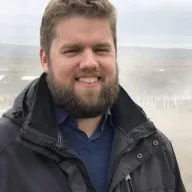
If you want to try a language learning app that focuses on speaking the most important parts of language without bogging you down in grammar, then give Optilingo a try. It's this show's sponsor, so you can go to Optilingo.com to get a free lesson today.
Welcome to the actual fluency podcast with Chris Broholm. This show will inspire, motivate, and teach you how to learn foreign languages the best way. On this show, you'll hear incredible stories from amazing language learners who've learned 5 to 10, even 30 plus languages, as well as industry experts who help shape modern language learning through innovation and research. As we dive into language learning methods, techniques, and apps, you'll quickly discover what works and what doesn't. This is the actual fluency podcast. And this is Chris Broholm.
Hello everyone, and welcome to another episode of the actual fluency podcast. This episode 173. And today I'm really happy to be joined by Dick Howson from U talk. And we're going to be talking a little bit more about that and the history behind the company and much more coming up. So, Dick, welcome to the show.
Yeah, good. Good evening. And and nice to talk to you.
And um, it's very exciting. Uh, we're part of, I should mention, we're part of a new technology experiment here. We've got the new intro, every all the listeners have been used to about five, six years of of me doing the introduction, so I finally got someone else to do it and I think it sounds great. And uh, we're using a new software as well. So if any of us sound a little bit frazzled, that's probably why. But uh, do you want to go back to sort of the beginning of of your language learning experience? How was it in school? When did you first get a real interest for the language learning? Whoa.
Well, I, listen, I'm, I'm probably compared to a lot of your, your people who talked, I'm, I'm slightly the antithesis of a lot of them, I'm guessing. Um, at school, uh, I, we did French. Um, I was taught by someone who definitely wasn't French, it goes back quite a long time. And, if I'm really honest, uh, when I was very young, I liked languages, but very soon I got not to like languages. I was asked to say things in class which I was acutely embarrassed about because I got them wrong and everybody laughed and it was almost like it's probably my most dreaded lesson was the French lesson. Um, and I did an awful lot of it. So that's that's where I come from, but I, I think my guess is from all the people I've spoken to over the years, I'm not alone in that experience and, um, I would be one of those people, uh, is what they told me at school is I wasn't going to be any good at languages. Uh, and and it kind of stayed like that.
So I studied the sciences, I did engineering at university, um, and, um, and then I became a chartered accountant, uh, qualified as a chartered accountant and then, uh, got into business with IT, and then ended up working for a company doing, uh, interactive, it was finance director, interactive video teaching, use, so the very beginning of multimedia. Um, and this is really where my language learning experience started.
Or in fact, actually, I, I'll give one quick other story is having learned French, lots and lots of lessons at school, and then as a teenager driving down through the middle of France aged about 17 with a friend, and, um, in a little mini and finally we were getting low in petrol and going into a petrol station to fill up. And I'd learned French and things like that, um, but when, when I then spoke to the, uh, petrol attendant, first of all, whatever I said to him, I reckoned he was Russian. He didn't sound anything like the French I was expecting, it didn't go down too well. Uh, and then I made the mistake. He wanted to know how much petrol to put in. It was in the before the days of self-service, and I knew in England that they didn't have, you know, in France, they didn't have gallons. So I said and we didn't want very much because it was pretty short of cash. I said only sir, please. And the guy looked at me in absolute horror and clearly he wasn't sure that I was sure and I said we only. And, um, he then proceeded to squeeze the trigger for about two seconds and said, only. Um, and I realized my mistake then, because actually, a litre wasn't going to get me very far. Um, and then I wanted him to check the oil and I soon realized that I hadn't a clue how to do that either.
So, that's that's where I came from. Uh, roll on to this company we were working for, and we had a subsidiary in France. And, um, uh, myself and the technical director had been there on separate occasions. And one of the things that really kind of annoyed us or when we were exchanging notes, is that, um, the French had this habit of going and speaking in French, um, and we didn't know what they were talking about. And, uh, we came to the conclusion that, first of all, we thought this was rather bad of the French, and then we thought it was our fault for not learning French, and then we blamed it on our teachers and said it was their fault. Uh, and and then and then, um, we actually came to the conclusion that learning a language was actually quite a difficult thing, but the technology we were in then, which was multimedia, the very, very beginning of multimedia, was absolutely made for teaching languages, because whereas all the French we learned was from books, and it was grammar and reading and writing, it didn't do that most important bit, which is where, you know, Latin, lingua, tongue, um, it didn't teach anybody how to speak and and, um, that's what everybody really wants is to be able to speak in another language.
So, we, uh, talked to the, um, board of that company. Uh, we were directors and said we've got this brilliant idea, we can do language learning on top of everything else, and we were turning into Times top 1,000 companies. Long story short, they didn't want to do it, but, um, we did, and, and on a very friendly basis, we over a year split and set up our own business, which is Euro Talk. And this was nearly 30 years ago. Well, probably is, is 30 years ago this May, it'll be when we first started. Um, and, so what did I bring to the party? Uh, I'd say the most valuable thing probably is that I understand how difficult it is or how difficult, probably 90% of the world finds it to learn another language. And what I wanted to do is to change that. Uh, so all the time I was looking, you know, what would work for me in terms of language learning?
Um, I went and did quite a lot of research, uh, there's a, it was a place in the middle of Regent's Park called SIL where they had all the different methods of learning languages. Lots of them, lots of experts, about six, that stage, it's about 1990, six main ways that people said this is the way to learn a language. And I went and read about them all and the one thing I got from all of them is they were all very, very critical of each other. Um, and and it gave me, it it made me think, well, actually, um, there's no point in copying any of that lot. Let's let's do it our way and see how we get on. Um, and so myself and Andrew, who is, again, quite technical, he'd he's a qualified teacher, he's taught abroad in, um, places like Papini as part of his VSO. So, where they had the most extraordinary different languages. Uh, they didn't even count to base 10 and things like that.
Um, and, um, we came up with various things and it probably probably just worth checking in and you can, um, see that the very first product we came up with used the Asterix the Gaul cartoon series. Um, and what we wanted is a story with a beginning and end to it. And, um, we realized that the best comics which people quite like, the best stories, uh, were really Asterix because they use real language. If you look at the, if you look at the speech bubbles, it's as people would say it. It's no, there's nothing pathetic. It's real lovely language with a lot of satire and fun things in it. And, so we came up with this idea and and to be honest, what we thought was the big market in those days was learning English. Um, but we did learn French alongside it, using that product to, um, uh, to keep us honest, as we put it. So we made sure it worked for us.
And Asterix, we sold tons of copies of this disc which was taking a whole story. But it basically we went into a studio and recorded the whole Asterix story with four really good actors. Um, a couple of them quite famous now, uh, for the English. Um, one of them was Malfoy's dad in, um, Jason Isaac's, Malfoy's dad in in in Harry Potter. Uh, but in those days, he wasn't famous, thank goodness because we'd have been able to afford it. But these guys had the most brilliant range of of accents. And we got it with all the other languages as well. So we did Asterix in about six languages in the end, including Latin. Uh, but the whole idea is it sounded like real language. This 40 different characters roughly in an Asterix story, and they had to put on good authentic voices for all of these, which which top voice artists can do incredibly well.
Um, so we did that product. We sold loads and loads of Asterix discs. It was a real labor of love. We thought they were beginner's discs, but the reality is, is we look back on it now, Asterix was quite advanced in terms of, you know, for a beginner started with it, it it quite tough to get going. Um, Hmm. The message we got from that was that, um, there was the story which you could listen from beginning to end and it's just like watching a film with a with a slow frame rate. It was but it worked really, really brilliantly. But we also added a little game. And what we discovered from researching the users is that the thing they did more than any else is played, well, it's quizzes, it was quizzes rather than games. So they played the quizzes more than anything else. That's the thing they really liked is playing the quizzes.
So, um, the, the next, the next experience which sort of set us on the trail from there was, um, we, we had a, uh, a visit an exhibition from some Hungarians and they said, come to Budapest and we'll promise we'll give you a big order. Uh, but we need to see you in Budapest just to show you're serious about working with us. There's a publishing company there. So we flew over to Budapest one day, turned up at the airport, and the plane all miracles got in there early. And they were going to pick us up. No mobile phones or anything like in those days. So we just had to wait until they turned up. And after a while, we were the only people left in the waiting room at the airport. Um, and I wanted to, I wanted to wee. I was quite desperate actually. And there were two doors there, but on the doors, it was written in Hungarian which was the ladies and which was the gents. And I had no idea which was which. And at that stage, people had been telling us that, um, we should be doing a business disc. That was where all the money was and everything else. And I waited 20 minutes until someone went into one of those doors. Uh, and then strangely, uh, I don't, you know, I couldn't work out whether it was a a bloke or a girl that was going in there. So I was still a bit stymied. I'll just have to had to guess.
Um, but what it told me is actually when you're going on business, it's some really basic language that you want wherever you're going in the world. It's not it's not the invoice and bank and arbitrage and things like that. It's it's basically hello, please, thank you. How are you? Can I have a couple of beers? That sort of language is what you need when you're going on business. So it's the same as what everybody wants. So, that experience we got the order by the way, as well. That was nice. Um, that experience taught us that to do a beginner's disc. And what we wanted to do is to come up with, um, a beginner's this is all CD ROM, obviously in those days, which no one had really heard of either.
Yeah, I'm sure there are people listening who are like, what are these discs? And when we started, they were saying the same thing. No one knew what a CD ROM was.
Yeah. So this the other side distribution packaging and everything we had to do all ourselves. Um, so, um, so we wanted to come up with this kind of, um, beginners disc. And I wanted just 50 words. I reckon that, you know, most people could learn 50 words and that would really put them in good shape. And so we tried to work out what those 50 words were and we came up with about 1,500. And and and we managed to slim it down finally to about 250. And we wanted something where we could teach people with pictures, because pictures is a in nowadays it's described as dual coding when you're learning a language, but it would definitely helps if every word is associated with a picture. So, um, and and what got it down to 250 words is things we could actually take a picture of. Um, and again in those days, there was none there was no Getty images or anything like that. If we wanted a picture of an apple, uh, we we bought an apple, we got a light, we had it on a table, shining, lighting it up and we got a camera and we took a picture. And, you know, the process of getting all those images was it took quite a long time. Um, get some beautiful images, I have to say.
Uh, so, um, so that that was this first product called called Talk Now. Um, about 250 words and phrases. It sold, well, the CD ROMs that we sold, a couple of other ones that went with it, over 30 million CDs, we reckon. So, very, very successful. It it hit a chord with people that this is what they wanted. But the reason was is we weren't at that stage just speaking to sticking to, um, English and French. By then, uh, well, Asterix had gone, as I said, to six languages. We decided to do all the European languages, and then we thought, well, if we're going to do that, people are going to be very upset if we don't do Russian, we don't do Japanese, we don't do Chinese, and so it went on and before we knew what it was about 40 languages. And I promised Andrew, we'd never go over, um, go over 50 and then we went to 100 and then, um, eventually we talked now it's it's somewhere around about 160 languages. Uh, so, um, but it was, it was that was the sort of request, um, that people wanted. So, um, that that that's, um, it's been very, very exciting turning. The feedback we've got from people, um, has been great. The, the, um, that and that as I said, it sold very, very well, as a CD ROM, but as a lot of people listening now, what the heck's a CD ROM and.
Yeah, we're going to talk a lot more about, uh, U talk today, of course, the is now in a modern app format, but, um, but before then, maybe it's worth just painting the picture a little bit of what the language learning market or what the kind of, what did it look like back in in the 90s, because obviously the the polygot movement, as it were, you know, this group of people who are banding together and creating conferences and recording YouTube videos of themselves speaking 15, 20 languages didn't really start until, you know, the first conference wasn't what, 2013. Um, so there's a long time there where even, you know, pre-broadband, I guess, where the language learning the language languages were always kind of in demand, because there was always travel and business across cultures and, you know, interpreting has been around much longer than that. But how did the kind of products and materials and what was it like back then?
Well, I was going to say someone said to us, when we got this, our our big breakthrough, by the way, was in Japan. The Japanese bought Asterix in vast quantities, which was lovely and that's what got us our Queen's award for export. But, uh, we then, that was with Asterix. But, but when we then decided to go and sell in America, people said, but the Americans don't want to, first of all, we had to do Spanish, but the Americans don't learn languages. Um, when we talk to people, Americans, they don't go on holiday outside America, there's no interest at all and so on. So we weren't supposedly going to sell anything in America. Um, we did, um, but to be honest, it was minuscule in those days.
There was the the sort of people that have popped up, you know, well, I suppose one of the best things that ever happened to us probably was Rosetta Stone who spent an awful lot on marketing and telling people in America that they needed to learn a language. Um, and and we made we sold a lot on thank you Rosetta Stone if anybody from there is listening, we sold them a lot of on the back of their marketing and alerting people, particularly in America, to the fact that they actually should learn languages. So, but at the time, people the general consensus for most people is and I say for most people, it doesn't matter where they come from, is that learning languages was difficult, wasn't for them, and, um, not going to happen. And, and quite reasonably so, because the only way people really had to learn a language was in the written, you know, written form, grammar books and things like that. You there was LinguaPhone with their with their, um, uh, uh, 45 and and even before that 78 records and things that people could learn from. I mean, there wasn't much else. And of course, okay, there were cassettes and things. But it it really wasn't a very good way of learning a language. Um, so, so I would say the polyglot movement is definitely benefited from things being online.
Um, from from our point of view, uh, we had, um, I was going to say, selling CDs is great, but there's a huge amount of logistics and problems. If we make a mistake on an E-CD, uh, which occasionally happened, you know, you've got those CDs that have been distributed all over the place. I should, I should just add in that what we did very carefully with everything that we made is, um, uh, Chris, hang on just a second. There's a lot of noise going on in the background. Is it coming through on you or not?
Yeah, it is. I just need to turn the computer the other way, but it might work. Can you wave at Frank and say be a bit quieter?
So we got a problem with our phone system at the moment in the office. Um, so it's a bit cutting. We may be all right. Um, so, um, right. Um, let's see, where did I get to? Um, Talk about CDs and mistakes on them. So you're going to Yes. So, so getting getting if you did make a mistake on a CD, recalling it and putting it anywhere else was, you know, getting them back or doing anything was was nothing short of a nightmare. And, and and these things, you know, it could happen. Um, so, um, so that was that was the problem. Um,
become easier now with the with the apps and the digital content. But I guess it's easier for the user as well, because they don't have to lug around these CDs, they don't have to have a device with a CD drive in it anymore, or a, uh, what's it called, I can't even remember what it's called, the not the Walkman, the CD drives, you know.
Oh, the the portable one. I I thought I had one as a kid, but I forgot what it's called.
Oh, right, the one you mean, like walk Walkman's and things or there was an, Yeah, yeah, CD drive. Yeah.
So I mean, there are all sorts of things that, you know, that we could do. We even did we did DVD videos at one stage as well, because that they were quite sort of portable. But, um, yeah, no, it it was a real challenge. And then the next thing that came along, the big breakthrough for us, was when Apple came out with the iPhone. And we suddenly realized what we could do on that and and we could make apps and put them on the App Store. And we started doing that in about 2009. Uh, which was, um, for us a real breakthrough. So we were one of the first language learning apps on on the, um, App Store. And to be honest, we thought this was it. This is going to go on forever. Uh, uh, the sales were going up and up and up. Um, even though, you know, we're looking at a CD would be costing a lot more than you'd get for an app on the App Store. But there was no logistics on the App Store and it was it was, you know, comparatively easy to do. So we and the volume was high. Um, but then obviously lots of other product came along.
Um, the other thing that was powerful about the App Store is we could get a lot more feedback than we'd get from a CD ROM because people leave reviews and things like that and we took a lot of notice of the reviews. And a lot of them said, we're using the same material as in the talk now one. So just the 250 words, that's what really moved. But people came back and said, look, we want more. You know, we love your learning method, we love how it works, but please can we have more content than that? It's not enough. Um, and we had a big think and it had taken us to get to 140 languages. I think by then, it had taken us probably 10, 12 more years than that. Um, yeah, 15 years. Um, and the thought of starting all over again, recording all those languages was, uh, you know, something we could back away from. And eventually we made the decision that actually, yeah, okay, we'll start all over again, uh, for the App Store. And we'll go and make all these languages all over again with a lot more content. So whereas that was 250 words and phrases, we came up with a corpus, we thought, if we're going to do it, we only want to do it once. Um, and, uh, so we came up with two and a half thousand words and phrases.
I the other thing I need to chuck in is even with the CD ROMs, one thing we did, which was different to everybody else, um, is it was done to a a template which meant that every time we added on what we call is a target language, one you're going to learn, we also added on the source for that. So that it meant that, um, the language combinations we had was those two added together or or the square of the number of languages we got. So that means that if we'd done Zulu and we'd done Mari, you could learn Mari from Zulu or the other way around.
Oh, right, yeah.
So it meant if you know, if you multiply 150 by 150, you come up with more than, uh, 20,000 combinations. And the same thing applied on a CD ROM. A CD ROM when you plugged it into your computer, it would look at the language of the computer and it would teach you from that language, which you could still override, but, um, people were really, really surprised at that. But that was a a really important part of it is it had to cross over both ways. And in the design of that whole thing, we had to plan for the fact that, um, you know, we were going to do lots of languages and whatever it was, it was going to have to work between languages, which required actually, well, it took us about three years to come up with a corpus. Or probably two years to come up with a corpus and another year to come up with all the pictures, the 2,500 words and phrases. You know, coming up with a picture for a phrase. We we get the odd bit of stick from people who says it's not a very good picture, but if they knew the work that went into those pictures, if they knew how many we we we rejected. Um, you know, we had two people making them and four people checking them and and the four people, if any one of the four rejected one, then the the the graphics guys had to go and do it again. There was there was no questions asked about it.
So, uh, getting getting that all set up was considered, you know, it was really, really important. Getting again when you do the the translation, it's it's, uh, there's the English, that's that's what you're going to learn if you're learning English, but then we need a second English, which is what people are going to translate from, which could very often be different. Um, because the English that we record is how people say it, but when it's what people translate from, it's the meaning that's got to be translated from into the other language. So, actually, you know, that was another whole thing and we had to do a lot of notes to translators to say, look, this is what we're trying to get across here in this phrase, this is the meaning we're trying to get across. So, but it all had to be set up right at the beginning. And the goal was then to get to a stage where we could get over 100 languages in in, well, under two years is what we hoped. And, um, we had a a a fantastic person working on the languages, who managed to to crack that goal and, um, we were recording languages, you know, fairly fairly flat out. Um, got brilliant people doing the translation. We had a new way of doing translations as well. Uh, so you don't make mistakes. So every single script has been translated twice, completely separately. And then we compare the results and and both translators are told what somebody else has said. And and that's a way way we found much better than checking of getting rid of mistakes and things like that. So, it was, um, it it it was a tough really full-on process. So, we're still doing it. Our our goal is to keep on adding languages now. We're committed, but we're going to keep on adding languages. But, um, yeah, so, so, um,
Fantastic. Tell us a little bit about what it looks like, in case people haven't tried the U talk app, uh, recently. What's the, you you say there's 2,500 words, there's images. How do they interact to give you that learning experience?
So, a a quick a quick sort of talk through the app. So, first of all, the objective is to get people hearing, understanding and speaking. Those are that's that's the real objective in in terms of a language. And, and what I say to a lot of people is it's the hearing and understanding has for the most part got to come before you speak it. Um, in in that that that it's once you're your you've tuned in with your ears, then you can start tuning in with your voice, the other way around. Um, it's not to say we don't get people trying to talk earlier on. But, um, the key thing is you've got to understand what you're hearing. And also if, I mean, you'll know this, Chris, when you're speaking another language, it's if if if you learn to speak before you learn to to hear, then when someone says something to you, you don't actually know what to say because you don't know what they said. So, So it is a logical thing.
Um, so what happens what happens is when you go into the app, um, and it's now an app where you can choose the language you want to learn. There's there's, um, about 144 languages in there at the moment. Um, you choose your language, you go in there and, um, there's a free starter section where you can do 26 words for free in every single language. Uh, and it's broken down into topics after that, which you can buy in whatever way you like. Um, so the topics there's 64 topics, so each topic's got somewhere around about 30, 30 words. I can't I haven't done my maths on that one, but I'd say around about 30 words or phrases. Um, and, Well, it's both words and phrases. So in any topic, it might be at the restaurant and and it might be say the topic is at the restaurant. It would be knife, fork, spoon, plate, but it would be I'd like a table for two, please. Um, can I have the bill, please? So it'd be a mixture, it's whatever you need in those circumstances.
Um, So, um, Right. And and so the way we're looking for people to learn, it's another thing I feel quite strongly about from my own experience. Um, my experience at school is is, um, you know, the first thing we all learned in in when I was young, everybody in England learned for some reason. I think they can all relate to this, is they learned the first phrase in French was la plume de ma tante. So, my aunt's pen. But I had no idea why. I've never had to say it again except when one of these interviews. Um, it's quite useful. In in France, I
Yeah, in France, they learned my tailor is rich.
Um, in in Russia, in Russia, we've got a guy here from Russia, and he learned in his his his English lessons, um, we have a crystal chandelier. Um, you you
Yeah. Right. Very important.
So, so basically what I determined is it's much more use to have what you need to learn. So, we've got a section on motoring. Um, thinking back to my experience driving through France, I would have definitely done the motoring section before I left. Um, it would been a no-brainer. Um, and, um, you know, I'm, I'm, I'm a keen sailor. So, if I'm going on a sailing holiday, I would definitely go learning all the sailing words if I was going to, I don't know, Croatia or Turkey or something like that, sailing. I mean, it just makes sense. So,
Yeah. What your interests are, you're going to be talking about anyway. Yeah. Very carry on, yeah. Even if you're not, Yeah, like if you're interested in boating, then you'll be talking about boating even if you're in, uh, you know, New York City, you know, you'll be
Yeah. Exactly. Because that's your hobby. So, so it's it's to to learn things you're interested in. And and the brain, the brain is much, much more excited and gets on with learning things if if it's if it's if it's looking to learn that stuff. And we actually, I should add, there's one other bit of research we did right earlier on as I, um, discovered, uh, that they'd done a lot of research in, uh, uh, in California, UCLA, about how the brain remembers things and how you learn. And so I went and talked to them about, uh, what they did and everything else. And basically, believe it or not, they were training rats. Um, but, but it's the same. We're quite close, believe it or not, as human beings. Uh, but basically what they discovered is that if they made games for the rats where they're having fun, they could learn tricks far faster than if they didn't. Um, and, and they worked out that, uh, that again with the brain, if if you if you give a human brain, if you give it Valium, then it doesn't remember anything. Um, if on the other hand, you wanted it to remember things, you need to increase the amount of dopamine which helps you grow synapses. And you can't actually give someone a kind of dopamine injection or pill or anything like that. But what grows, what makes you produce dopamine is when you laugh. It comes out 10 times as fast as any other time. So, sort of natural human response is which is great is you remember the good things. Um, the things that make you laugh. So, uh, again, what was important to us is that we encouraged that sort of fun aspect. So, uh, which means learning what you want to learn to start off with.
Going back into the app. So, we've we've chosen a topic that we want to learn. Could be starter words, you know, hello, please, thank you, uh, a couple of beers, please, um, aspirin, where's the toilet? So on. Um, there's a practice section where you learn what all those words are. You see them, uh, in your own, well, you see them in the target language, you hear them in the target language and you see written underneath as well as with a picture. You see that, uh, in your own language. Um, so you can and then you can practice saying them there. Uh, you can play them all through. So you can get an idea that you're happy with all the pictures and everything else. You can play them slowly if it's a phrase and you want to hear it quite slowly. Um, and then people very, very quickly zap out of the practice section and go straight into the, um, the next game, which is the called an easy game. Everybody likes an easy game.
So, the the easy game basically is easy. But the great thing about it is you learn very fast as you're doing it. And what it's doing in in other people have taken the same format. I think we were there definitely first with this one. But it it puts up, um, uh, or you get four images that come up on the screen spoken alongside the pictures spoken in the target language. And when it's put them up on the screen, it then muddles them all up. And then you hear one of them spoken again and you have to choose which of the four it is. So to do it, all you have to do is concentrate as you're seeing the four images go up. And you'll get the answer. And there's also you can, you know, you you can eliminate some and everything else. But in your brain, there's something tugging away there saying, this is worth remembering because I can score points because when you get the right answer, it goes beep, beep, beep, you've got some points and you think, ooh, good. So, you do that and imagine there's sort of 10 rounds of that. So you've then been exposed to over 40 words, which is some of them more than once. Um, and, uh, the first time you might play it, you might make a couple of mistakes, you'll play it again. So you get a bit more exposure. Um, but you know you'll get full marks quite quickly.
And once you've got full marks in that, the next game you go on to is, um, one that just sort of warms you up into the speaking bit, is it's a speaking game. This one, uh, gets you to just say the words. You you you hear the native speaker saying them. You've got to say it in the target language, uh, and you record it on your device. And, um, and and then it plays you back to you and you think, yeah, I'm happy with that. And you've done that with say five words. And then it'll play a similar game to the last one. Only this time, I think it puts about nine words on the screen and you you hear one of them. But this time it's your voice you're hearing and you've got to choose the right picture. So you, that's great. The whole thing about this game is it makes you you cannot really play the game. You can't play the game unless you record something. And so you might as well have a go saying it in the language. So that it's all purpose that game is to get you talking.
Yeah. Yeah. force people to to take some action and actually practice some of the things that they've been studying.
Yeah. And and you're comfortable actually saying something because that's it's a big barrier for people, you know, they're frightened of saying something. But hey, I've done it now. So they've sort of gone over that one and think, oh, I can do that. It's not that bad.
Um, then you go and play a harder game. And the harder game, uh, basically, you're getting images going on the screen. You're you're put it puts five on the screen. You hear it and you have to click on the right one. Then it'll put six. I I think then you have to click on them one by one. It'll call them out and then it does with six and so on. So you're getting a lot you're getting exposed to a lot of words. And you have to click on the right picture. And again, playing that, you'll probably get it wrong two or three times. And and when people get it wrong, you could just get the total number of points in that one and say, all right, I've got, you know, 70 out of 100 or something. I'm happy. But people aren't. They actually quit the moment they make a mistake and go and start again because they know they can get full marks and and that's really what most of them want. And you know, I can beat it.
Yeah. So, So to summarize, basically the success, the learning success of of the U talk app is basically you've got a core vocabulary of useful words and phrases handpicked for their utility and and high frequency in daily use. And then you've got gamification to sort of make it kind of trick the brain a little bit to remember more and have more motivation for actually doing the studying, which is a big problem in language learning because sometimes it can be quite boring just to sit and and study words or or or textbooks.
Um, one thing I want to talk to you about as well is, you know, we've had a lot of developments in the language learning space in terms of new methods, new technologies, some of the polygot, we mentioned the polygot community a little bit earlier. Uh, people are kind of bringing new ways of learning languages forward and technology like, you know, the apps are are creating whole new industries based on this. Um, but there's also some criticism that says that the apps and the our phones are, you know, the computer, they basically teaching us to be very have very short attention spans and and not concentrate as good as we we could with, let's say, books or a traditional course where you can't just skip around and and jump around all the time. What do you say as as sort of a, you know, professional in in the area and and a and a product owner of of a of a digital language learning solution, having come from the analog world and and seeing that, Oh, are you still there? Oh, sorry, yeah. Oh, seen that. Sorry, yeah. excuse me. Cut.
Um, you know, what, um, well from my point of view, as I said, doing, doing anything sort of traditional, um, there's a, there's one really, um, lovely guy, um, who, who's quite famous for his is, um, ordinary audio CDs, uh, and, and got a lovely way, sorry, I'm trying to think of the chap's name, but, um, he's died now. Sorry, yeah, Michelle Thomas. And I got some of his discs and they're great and his way of teaching and everything is fantastic. Um, the only thing I would say, and this is it's it's it was honestly very good. I was doing it on the train. I very often I I test all our stuff on the train home. I've got a a journey of about an hour and 20 minutes on the train. And I put the headphones on and get on with it. Um, and I was doing his and it was the only time I very, very nearly slept through my home station. Um, and no, he's got this slightly soporific voice. It's it it it it encourages you and everything else. But, um, I I would say that the great thing about the new technology is it keeps you it it it keeps the brain pretty alert. Um, you have to be out there doing it. It's it's not passive learning, it's very, very active learning.
So, uh, and and I I just chuck in the games that we go on with. We we have this thing called the hard memory game that everybody says is impossible. Um, and you really have to work at it. Just warn anybody, you know, using the app. Some people say, oh, it's not fair. It's just a memory game. It's a game that, um, what we discovered with it is if you do it, um, you you think it's impossible, which we happened to us. We were doing it in Russian originally. Then we tried doing it in English and it was dead easy. And we realized that that's what we were looking for. Um, we and and the reason is is that the only way you can play this game and get the full marks is if you think of the words and say the words to yourself and remember them in the language you're learning and not in your own language. The moment you try and translate in your head, everything falls out of your head, wherever the position of these things are that you're supposed to remember. But if you bring it in in is I said if you if you're actually thinking in the language, it works really, really well.
So I would say that, um, it um, the technology has just got so many advantages, whatever anybody says over it. And the other one is recording your own voice. There's the there's, um, the other thing we, we don't believe, by the way, in voice recognition. It's great. Siri is fantastic. There's similar thing on Android. But that is it's doing its best to understand what you're saying, however badly you say it. And in language learning, the algorithms different. It's not there. So you can be told by people's voice recognition systems that you got it right when you perfectly well, you're saying completely the wrong word. And similarly the other way around. You reckon you got it right and it's told you off and you haven't scored a point.
Yeah. Well, it just tries to match the wavelength as far as I know. So as long as you say it in the same kind of tone, then the word itself is.
So, so we use your own voice. We reckon that actually if you hear the native speaker, you hear what you said, you can judge it yourself and you give yourself a tick or a cross. And, okay, you can cheat, but if you're trying to learn, that's not what you want to do. So, um, again, that that bit that bit Right. But but that ability to be able to record your voice, you know, to be told you've got to say this in the other language, um, and it chooses things at random and and you've got to be able to say it. And then you hear the native speaker and you say, I got it right, got it wrong. It may be in French and you've got the gender wrong or something. So, it's up to you how you mark it. And, um, again, very, very motivating. It wasn't possible before we had multimedia. It just could not be done. So, um, it's got, in my mind, um, if you want to, you know, if you want to read about grammar, if you want to do reading and writing, then there's some fantastic books, fantastic grammar books. You can learn lots that way. But my my answer to everybody is go and pick up a chunk of vocabulary that you can use, you know, off the cuff anytime you like. Um, even if you're not putting it together very well, people know what you want to say and and they'll always help. People, anybody who tries in a language, uh, people will help you. And, and that that's how we all learned as children.
Yeah, and I think the the big win is also not to be underestimated that you actually make some progress. You actually learn things even if you're not speaking, you know, hour-long conversations. You you're getting that sense of having achieved something, which is what most people are deprived of from their language learning school days, you know, when like you were mentioning that had French for a while but still couldn't order a liter of petrol at the station, you know. Um, so, so I think that's important and definitely not to be underestimated. I'm wondering where language learning kind of software, methods and all these things are are going to go in the future, whether we've hit kind of a like a an upper point of you know, we can innovate as much as possible, we can research all the the way the brain learns things. But maybe we've reached a point where it's it's just like we've got something that really works, something really good. And, you know, there's no need to complicate things further. You know, at the end of the day, a language is just a selection a collection of words, right? So, there's no need to try and reinvent reinvent the wheel when it comes to language necessarily.
Oh, no. Well, um, you know, I've we've got lots and lots of things planned for the future. Uh, I mean, we we need to sell a few more to do all the things we want to do. But, um, I think there are very exciting things. We with U talk, you know, one thing I would say is we don't we don't promise to make people fluent. I'd I'd say if if you want to get fluent, the best thing you can do is go and live in the country. But what we do is give you a really good start and a really good basis. Um, but there are, I think, we with language learning software, there are lots of fantastic things. I would love to be adding in there. Um, and, you know, we'll do. It may not come, it may come from different things. It may come from blogs on language learning. Um, I love I love things on the etymology of language where where words come from in different languages and different expressions and things like that. And, and I think that's that's where the the the culture starts to get quite exciting. And, and if I could get, you know, as time goes on, if we could get things like that coming in, I mean, well, to to give you sort of examples of of things I'm talking about, which I'd love to show.
In in England, um, we have an expression, uh, like father like son. Um, in in Chinese, uh, the expression is tigers don't have puppies. Um, which I love. Uh, and and quite a lot of far far Eastern languages, I think use the same thing. Um, in England, we have an expression like if you give someone a flea in their ear, uh, it means a a child, basically, you've told him off. Um, so his ear's buzzing, probably because he's had a smack in the ear. Um, in French, uh, a push to la, uh, is, um, is means a child is bright. He's got something going on in his head. And, you know, you think like you put a finger to someone's ear and twiddle your finger around and say, there's something good going on in there. So, completely different. And,
Yeah. Yeah. That sounds complicated.
Oh, it is really, really complicated. I would do it, I don't know, but I think it's it's probably going to be in a in a series of blogs and things like that. Um, I don't know, but, uh, it's it's but it's another area. I think we need to get people fascinated in in language is is the next thing. You know, if we can, as I want to get people a bit more into the culture. Um, of how people think in a language. But right at the beginning, it's it's no good doing all that until they've got something to say. So, or something and they can hear it. So, that's where we've come from. But, um, you know, apart from adding more languages, which is quite a few in the pipeline, um, which are sort of, you know, it's quite exciting. Um, I definitely want to find better ways of teaching people. I've I've got an idea which we're going to add for I think for helping people learn gender in other languages. Um, I've discovered that, um, because you speak Danish, don't you? Yeah. Um, and
Yeah. Uh, I let me ask you the question. Do you remember the gender of a word or do you just remember how it's said? Because you you put you put the the article on the end of the word. Yeah. And yeah, just how it's said, really. I I I don't even if you ask most Danish people, they don't know which gender is which anyway. We only have two anyway. So, we don't know what you know, they have two names, but I I'm not sure I I even know which one is which if I had to say it. Um, but I know instinctively, of course, from the word itself what the right, uh, what the right word is. But it doesn't matter too much in Danish though. So I wouldn't worry too much about it. Like it's in in German, it's very important, you know, with the grammatical gender and things. But in Danish, all you're going to get if you get it wrong is just a a funny look from the the listener, you know. Of course, you want to speak perfectly and strive for for that, but maybe it's quite far down on my list of priorities if I were teaching someone how to speak at this point.
Of course. I'd love to hear you say that. But learning French at school, if you got the wrong gender, that was seen as terrible. Yeah. And in Russian, you might not be understood if you get the gender wrong. So, there are Danish is like the kind of the the the nice one where if you say it wrong, we still perfectly understand what you're trying to say. It's just a you might get a funny look for, hmm. But then again, there are words where we are not we don't agree on the gender. And then there are loan words which have both, uh, for instance, the word, the English word for event has been added to the Danish language quite recently. Um, because there wasn't really a good uh, equivalent. And some people say en event, some people say et event. So, it's like if the native speakers can't agree, then I can't expect any non-native speaker to know the right answer, you know. So, for any Danish learners out there, definitely don't fret about the gender. Um, if you learn German though, you should probably pay attention to it. And if you're learning Russian or other uh, languages from that side of the world, then it's absolutely critical because it it has all the meaning, you know, 100% flexible uh, word order in Russian, for instance. So, you definitely and in German, I think has as well, although they seem to follow a convention usually. Uh, whereas Russian tends to stack the most important things first. But, um, Danish is is has a fixed word order. So, no matter how what ending you use, we we understand it. But, um, no, it's it's so that, you know, for the future, um, it's interesting. But again, you as you gather for the the template format we've got, we are restricted as things stand as how much we can do. Um, it's more important to us that when we add a new language, we're adding that source language as well. Uh,
Yeah, you want to give people the triangulation possibility as well. Just to learn through another language, which I think is a great way. People call it laddering as well. Um, so I think that's that's great. Another great thing is I noticed you're very active with the we talked about the polygot community a little bit earlier. Uh, I noticed you're very active in the events as well. So, do you want to share a little bit, you know, what was the first event you went to as U talk and, and and why how how come you you go to these event events and, and even sponsor them. I saw you sponsored the the Lang Fest year in August, in Montreal.
Yeah. So, um, I think it was Nat that got me onto it. But, um, the the first one, um, that I went to is, I've got a I have to call the things the right way around, and it was the polyglot conference in, um, Slovakia. Is that the right? No, no, no, the one that was in the one that was in in in, um, Slovakia. The gathering. That's the one I want. Sorry. Excuse me for getting the name wrong. Yeah. Yeah. Yeah. The gathering. So, that was the first one I went to and, um, you know, for me it was absolutely amazing because there's all these people speaking loads of different languages. And, um, and we did we sponsored that one. Nat had been there the year before and said, well, are we going to do it? And we thought, yes, you know, this is fun. And we and we went there and, you know, I was just kind of blown away by it. And at the same time, Nat had also been to Lang Fest in Montreal and said, look, we really ought to do that one. So, uh, I'd I the next year I went to Lang Fest, which is anybody listening from any of the other ones, sorry, but they, uh, is my favorite Lang Fest. Um, and, and and as a company, I think what what we we say, um, as a company is we, you know, our our motto is we want to help people make friends all over the world and we want to have a lot of fun doing it. And, and that kind of fits very closely with Lang Fest. Uh, Lang Lang Fest, you know, the idea is to have a lot of fun. Um, make it really complicated.
Well, I'll I'll I'll pitch in as well and say, it's my favorite too. And, uh, you know, I'm good friends with the organizers of of the other conferences as well. And I I even organized my own event coming up. But, um, for me Lang Fest is the is the best. And I I think it's got something to do with the city, though. Montreal is just a beautiful city and it's very multicultural and you can find, you know, there's a great Chinatown there, there's a great they have amazing Mexican food. I I'm not sure why why that is. But, uh, they just have a great selection of culture there. And, of course, the French and the the English side by side. Um, it's just a perfect kind of, um, stage for a multilingual, multicultural, uh, media. So, so as you can say, that one that one is the sort of permanent one on our agenda, I think. Um, and I and, uh, definitely want to go back there if not.
Yeah, they come to Mexico this year, isn't it? In 2020, in Mexico. So, not not because the city, uh, this time, but you do get two conferences for the price of one if anyone listening is, uh, planning on going in 2020 for the, um, polyglot conference in Cholula, Mexico. It's a little bit outside Mexico City, quite close. And, uh, Lang Fest are doing the social events around that. So they're going to be actually in the same time, same week, uh, in October 2020. So if you're listening to this, uh, before that, then definitely consider going. I I've booked my ticket. And I think it's going to be possibly the best event, the biggest and best event so far. We'll see, um, how many can make the trip, of course. Um, but having both in the same place, one social and one for the program, you know, polygo conference does that very well with their speakers and and their their agendas. Usually, they have a great program. And then you have the Lang Fest for the social side of things. I think it's going to be amazing for anyone listening. Of course, we're looking forward to, um, I'm going to go to the cruise as well, polygo cruise in April. Um, and, uh, hopefully we'll see a lot of listeners there as well. That's going to be great.
It's a good good idea. Uh, my my my I would be there. I would be there, uh, but for the fact that I'm going to I I'm really sad, but I've got to go to Hawaii at the same time.
Oh, yeah. I feel so sorry for you, you know.
I I should add, I'm a keen windsurfer. We are actually recording Hawaiian. I'm not going for the windsurfing. But, um, you never know we're over there for a week. I think there's a there's a chance I might be on Maui for a bit doing something. But that that just happens to coincide. But, um, we've got got Charlotte from here, who's definitely going over to help on the cruise and as I said, our our our motto is to help try and make these things as much fun as possible. Um, and, uh, as I I think in Mexico that would be the same thing. You know, if we can go and help there and what you've got all these people from all over the world. The more we can help people feel comfortable talking to each other, um, swapping cultures, that's just so, so special. So, but I think on the cruise, uh, what I would, you know, what a brilliant way to do it. Um, I'm I'm think yeah, I I'm I'm I I as I said Charlotte's going. I'm very envious, uh, apart from the fact that I'm in Hawaii, so I shouldn't be too envious. But, um, I think that's going to be quite special.
Yeah. Yeah, it should be really good, you know, the the concept is definitely a new one. And I think the the the good benefit of that is you get a lot of time to really get to know the other participants, really, uh, do a lot of brainstorming, do a lot of, of course, language practice, language skill sharing. Uh, there's going to be a lot of time, uh, on the ship to get to know each other, which I sometimes miss from some of the bigger conferences, you know, just because of the scale of it, you know, when you go to something like, um, well, you've probably seen it in Bratisava where there was like 700 people there, you know, it's, you know, you don't get a chance to talk to 10% of the people and every conversation gets a little bit superficial because there's so many people you want to meet and say hello to. And, and that's not even including the people you already know you want to catch up with as well. So that that's really the benefit of the cruise. And, but I hope you can make it next year when we decide if and when and where we're going to do, uh, the second one. I think it's quite likely we're going to do at least one more. But, uh, it's still a bit of a mystery of where in the world we are going to take it. Uh, the Mediterranean is really good for it though, because you've got so many European languages on the same trip. And, you know, it's just a a beautiful place, you know, seeing Sicily and Mallorca, Malta and, and, uh, other parts of Italy at the same time. I think it's a it's a perfect itinerary for language learners and multicultural.
Yeah, exactly. I think what one of the things that that, that, you know, I I I think it's great is you're you are visiting, you know, five different languages. I'd say five different countries, but you've got all you've got Spanish, Catalan, Maltese, Sardinian, Italian, um, and, and that people can actually go and practice those languages, see what they can do with them, which I think is I'm really looking forward to seeing how that goes.
Yeah. Yeah. And it does account all the people. You can count all the people on the ship. Absolutely. I don't know. Have you counted up how many languages do you think are going to be represented yet? I mean, for for us, we're going to have probably 20 plus, 20, 30 plus. And that's just with our little group. Um, but of course, on the ship, there's going to be up to, I think they have a capacity of 4,000 people from all over the world. Probably mostly Europe. But there's probably going to be, you know, hundreds of languages you could potentially try. Maybe we should do like a a a language treasure hunt on the ship. You have to find someone who speaks languages. That could be fun. And then you you get like points for how rare it is and you have to record like a one one second audio clip or something to prove that you didn't find someone.
Yeah. No. Charlotte's with me and she's just nodding. I think yeah, we might we might help put something together that helps with that. Yeah. They U talk the U talk language treasure see how many languages you can find on board with 4,000 people. I think that sounds amazing. That's one of the benefits of doing an event like that. So, uh, so we'll see. And and like I said, hopefully you can make it to the to the next one and we can we can bring the whole team. We'll do a a team, uh, building work, uh, holiday week.
Yeah. Yeah. Please put out a good word for us. Sounds wonderful. Well, thank you so much for coming on the the actual fluency podcast, Dick, for and sharing your experience. You know, it's really been a long time, uh, in in the game and seeing how you've progressed to getting to the U talk stage, the app stage of the business. So I I wish you all the best with it. And, um, if anyone wants to check out U talk, U talk.com, k, simple as that. And, uh, of course, in the app stores of Android and
Chris. Thank you very much for the, um, really great pleasure talking to you.
A big thanks to Optilingo for sponsoring this week's episode. You can practice speaking a language by using Optilingo's guided immersion method on iOS or Android by going to optilingo.com. That's o p t i l i n g o.com. Thanks for listening to the actual fluency podcast with Chris Broholm. To get more language learning tips, strategies, and inspiration, join the actual fluency email club by going to actualfluency.com/join. We hope you enjoyed the show and hope you've gotten some useful information. Till next time, this is the actual fluency podcast, signing off.